If you’ve been dealing with fatigue, brain fog, or hormone imbalances that don’t fully resolve, it may be lingering sinus issues. It’s probably time to take a more targeted look at what’s going on beneath the surface.
MARCoNS (Multiple Antibiotic-Resistant Coagulase-Negative Staphylococci) is a biofilm-forming bacteria that can live deep in the sinuses and is often associated with Chronic Inflammatory Response Syndrome (CIRS), particularly in individuals sensitive to biotoxins such as mold. [1–3]
While it may not always be the root cause, it can contribute to ongoing inflammation that affects how your body feels, functions, and recovers. At ViveWell Health, we take a more intentional approach—helping identify hidden factors like this so we can better support your body’s natural healing process.
Understanding MARCoNS and Their Connection to Sinus Issues
MARCoNS is often part of a larger inflammatory pattern seen in CIRS. One important piece of this process involves α-melanocyte-stimulating hormone (MSH), which helps regulate inflammation, immune response, and overall balance in the body.
When MSH levels are lower, the body may be more vulnerable to persistent sinus issues like MARCoNS. In turn, these bacteria can continue to disrupt that balance, creating a cycle where inflammation stays active longer than it should. [1–3]
With the right sequence of care—starting with environmental awareness and followed by more targeted support—this cycle may be addressed in a way that helps your body move toward more stable recovery.
How It May Affect Energy, Hormones, and Vitality
When chronic sinus issues are present, it doesn’t just stay localized. It may influence multiple systems throughout the body, often showing up as symptoms that feel unrelated at first.
Energy and Hormonal Balance
Chronic inflammation and disrupted MSH signaling may affect how the brain communicates with the endocrine system. This can influence adrenal function, as well as testosterone, estrogen, and vitamin D levels—factors that play a role in daily energy, recovery, and overall vitality. [4–6]
Metabolism and Weight Regulation
Ongoing inflammation may also affect how the body responds to key metabolic signals like leptin and insulin. This can make it more difficult to maintain steady energy or see progress with weight and metabolic health, even when lifestyle habits are consistent. [7–9]
Cardiovascular and Systemic Health
Chronic sinus issues and systemic inflammation have been associated with changes in lipid levels and broader cardiovascular risk markers. While this connection may not always be obvious, it highlights how closely inflammation is tied to overall health. [10–12]
Brain Fog, Mood, and Mental Clarity
Persistent sinus inflammation has been linked to higher rates of anxiety, depression, and cognitive fatigue. Many people describe this as brain fog or feeling “off,” especially when clarity and focus are harder to maintain throughout the day. [13–16]
Gut Health and Immune Function
MSH also plays a role in maintaining the integrity of the gut lining. When this system is disrupted, it may affect intestinal permeability and immune balance—both of which influence how the body processes nutrients and responds to inflammation. [17–19]
Why This Matters for a More Personalized Path Forward
If you’ve been actively working on your health—supporting your hormones, improving nutrition, or investing in longevity strategies—but still feel like something is missing, this type of hidden sinus issue may be worth exploring.
At ViveWell Health, we take a full-picture approach. That means looking beyond surface-level symptoms to understand how different systems are interacting—and where more targeted support may help.
Your care plan may include:
Advanced testing (including MARCoNS screening and inflammatory markers)
Hormone and metabolic evaluation
Targeted sinus and immune support
Nutritional and lifestyle strategies
Regenerative therapies designed to support recovery and resilience
Everything is built around your body, your history, and your goals—so you can move forward with more clarity and confidence.
What If You Could Feel More Like Yourself Again
When underlying drivers of inflammation are better understood and supported, many people begin to notice meaningful shifts—like clearer thinking, more consistent energy, and improved resilience.
This is about creating a more intentional path forward—one that supports how your body is designed to function so you can move, think, and feel with more confidence.
Ready to Support Your Energy, Hormones, and Vitality?
ViveWell Health, located in Arvada and serving the greater Denver area, takes a precision-based approach to complex health concerns—helping you better understand what your body needs to function at its best.
If you’re ready to explore a more targeted path forward, we invite you to schedule a FREE HEALTH DISCOVERY CALL. It’s a simple way to start connecting the dots and building a plan that supports your energy, hormones, and long-term vitality.
At ViveWell Health, tackling the root causes of chronic conditions is our passion, empowering you to thrive. Mold and its toxic byproducts, mycotoxins, are silent disruptors of hormonal balance and cardiovascular health. Through extensive mycotoxin testing, we routinely witness these connections and remain committed to providing innovative solutions. This article blends research-based insights with actionable advice, explaining why targeted treatments at ViveWell Health are crucial to liberate you from these hidden threats. Let’s dive in and empower your health journey.
The Science of Mold and Mycotoxins
Mold thrives in damp environments, releasing mycotoxins that can infiltrate your body through air or food. These toxins trigger oxidative stress by generating reactive oxygen species (ROS), overwhelming antioxidants like glutathione and superoxide dismutase, and leading to cellular damage. At ViveWell Health, our routine mycotoxin assessments reveal how prevalent this issue is, frequently linking it to unexplained symptoms in our patient community.
Hormonal Disruption Unveiled
Hormones such as testosterone, estrogen, cortisol, and growth hormone (GH) are crucial for metabolism, reproduction, and stress response. Mycotoxins disrupt these systems by inducing lipid peroxidation and mitochondrial dysfunction, throwing hormonal signaling off balance. This can manifest as fatigue, mood swings, or reproductive challenges. At ViveWell Health, observations among our patients reveal how mycotoxins suppress GH via inflammation while elevating cortisol, causing a cascade of metabolic issues that we address with personalized care.
Cardiovascular Risks Amplified
Your cardiovascular health is closely tied to environmental exposures, with mycotoxins playing a significant role. These toxins promote atherosclerosis by causing lipid peroxidation, damaging endothelial cells, and increasing markers like malondialdehyde (MDA), which fosters plaque buildup. Many of you may recall our previous blog on apolipoprotein B (ApoB) and lipoprotein(a) [Lp(a)], both key indicators of heart disease risk. Mycotoxins exacerbate these risks by disrupting lipid metabolism, elevating ApoB and Lp(a) levels, and driving inflammation that weakens arteries. Through routine testing, ViveWell Health uncovers these patterns, guiding effective, patient-centered interventions.
The Evidence Behind the Impact
Research shows that mycotoxins generate ROS, deplete antioxidants, and damage DNA, proteins, and lipids. This oxidative burden disrupts hormone synthesis and cardiovascular integrity, amplified by co-exposures like heavy metals. Our patient data at ViveWell Health supports these findings, and we have observed that targeted therapies can reverse related health declines.
Why Advanced Testing is Crucial
Many ViveWell Health patients opt for advanced mycotoxin testing, which reveals the deep connection between environmental toxins and chronic health issues. Rather than relying on generic detox plans, visiting our clinic ensures a comprehensive evaluation of mycotoxins, environmental toxins, and heavy metals, uncovering the full toxic burden for the most effective treatment.
ViveWell Health’s Treatment Approach
Our protocols target mycotoxins and their effects with science-backed strategies:
Gut Detox Protocols: Our downloadable gut detox protocols, including activated charcoal and select probiotics, bind toxins in the gut, reducing reabsorption and supporting detoxification.
Ozone Major Autohemotherapy and EBOO: Advanced therapies like ozone therapy and EBOO help oxygenate blood, reduce oxidative stress, and remove deeper toxins to improve circulation and cellular health.
Antioxidant and Liver Support: Our Morning Shake, a nutrient-dense blend, supports cellular repair and energy. It includes Thorne MediClear (2 scoops), Perfect Amino (1–2 scoops), vitamin C (2g), cod liver oil or omega-3s (2g), and Mito Detox III (2 capsules)—all shown to boost glutathione, enhance liver function, and neutralize toxins.
This comprehensive, multi-faceted approach restores hormonal balance and cardiovascular health, aligning perfectly with ViveWell Health’s mission to optimize your well-being.
Follow-Up and Optimization
Recovery is ongoing. At ViveWell Health, we schedule follow-up evaluations every 4–6 weeks to monitor progress and adjust protocols. Our patients with similar toxin profiles consistently demonstrate reduced oxidative markers and improved vitality, affirming our tailored care’s value.
Take Action with ViveWell Health
Don’t let mold and mycotoxins undermine your hormones and heart. Act now! Download our free gut detox mycotoxin protocol or purchase the premium version to start your journey. For a comprehensive solution, visit us at 12001 West 63rd Place, Suite 201, Arvada, CO, or call us for personalized testing and treatment of mycotoxins, environmental toxins, and heavy metals. Our team is ready to guide you to vibrant health, take the first step today!
Disclaimer: This content is for informational purposes only and not medical advice. Consult your healthcare provider before making any changes.
References:
Smith, J. E., Solomons, G. L., Lewis, C. W., & Anderson, J. G. (1994). Mycotoxins and human health. Food Technology, 48(6), 126-130.
Bocci, V. (2005). Ozone as a bioregulatory agent. Journal of Biological Regulators and Homeostatic Agents, 19(3-4), 181-192. https://pubmed.ncbi.nlm.nih.gov/9250885/
Jones, D. P. (2008). Radical-free biology of oxidative stress. American Journal of Physiology. Cell Physiology, 295(4), C849–C868. https://doi.org/10.1152/ajpcell.00283.2008
Turner, P. C., Flannery, B., Isitt, C., Ali, M., & Pestka, J. (2009). The role of mycotoxin exposure in health outcomes: A review. Environmental Health Perspectives, 117(11), 1803-1809. https://doi.org/10.1017/S095442241200008X
Understanding the Dangers of Cosmic Radiation and Toxic Metal Exposure
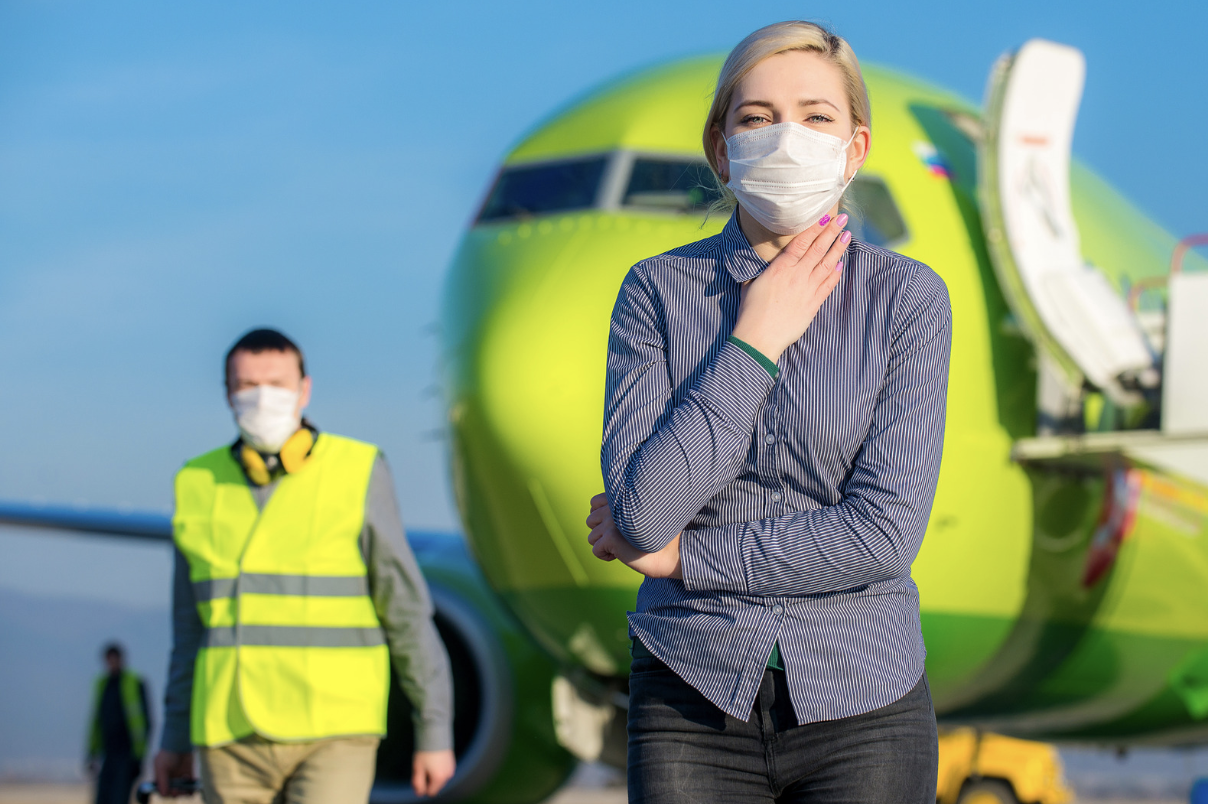
Air travel has become a necessity for many, whether for business, leisure, or visiting loved ones. However, frequent flying exposes travelers to a unique set of health risks that can accumulate over time, leading to serious health concerns.
Among the most significant of these risks are exposure to cosmic radiation and toxic metals at airports. These hazards, though often invisible, have profound effects on the body, increasing the risk of chronic illnesses, accelerating aging, and compromising overall well-being. Fortunately, there are effective treatments available to mitigate these risks, including an innovative supplement called PolyMVA.
The Invisible Threat: Cosmic Radiation
When you’re at cruising altitude, high above the Earth, you are exposed to increased levels of cosmic radiation. This type of ionizing radiation has enough energy to strip electrons from atoms, potentially leading to cellular damage. The Earth’s atmosphere provides some protection against this radiation, but at the typical cruising altitude of commercial flights, the thinner atmosphere offers less shielding, resulting in greater exposure.
What Is Cosmic Radiation?
Cosmic radiation is composed of high-energy particles, primarily protons, that originate from outer space. These particles collide with atoms in the Earth’s atmosphere, creating secondary particles that can reach the Earth’s surface and are even more prevalent at high altitudes.
The Health Risks of Cosmic Radiation
Cosmic radiation poses significant health risks, especially for frequent flyers, pilots, and flight crews. Research has shown that long-term exposure to this radiation can cause DNA damage, increasing the risk of cancer and other serious health conditions. A study published in the International Journal of Molecular Science highlighted the elevated levels of DNA damage in commercial pilots, cabin crew, or flight attendants, which can lead to mutations and long-term health issues. This radiation can also cause oxidative stress, accelerating the aging process and contributing to a range of age-related diseases.
Toxic Metal Exposure at Airports
Airports are vital hubs of activity, but they are also environments rich in pollutants, including toxic metals. These metals, released through aircraft fuel combustion, maintenance activities, and other industrial processes, can accumulate in the body over time, leading to various health issues.
The Dangers of Toxic Metal Exposure at Airports
Airports, essential for global travel, unfortunately expose workers and frequent travelers to toxic metals such as lead, mercury, cadmium, and arsenic. These metals are released through activities like jet fuel combustion and aircraft maintenance.
A study published in Environmental Health highlighted that these toxic metals are present at levels high enough to pose significant health risks, especially for those with prolonged exposure. Chronic exposure to these metals is linked to neurological damage, cardiovascular problems, immune system suppression, and increased oxidative stress, which accelerates aging and heightens the risk of chronic diseases.
Why Individualized Treatment Is Essential
Given the complex and multifaceted nature of the risks associated with frequent flying, a personalized approach to healthcare is crucial. Each person’s body reacts differently to cosmic radiation and toxic metal exposure, making tailored treatment plans essential for effective care.
At ViveWell Health, we specialize in creating personalized treatment plans that address the unique health challenges faced by frequent flyers. Our approach is holistic, considering all aspects of a patient’s health to develop a comprehensive care plan that mitigates the effects of environmental stressors.
Therapeutic Solutions at ViveWell Health
ViveWell Health offers a range of therapies designed to counteract the effects of cosmic radiation and toxic metal exposure. Our integrative approach combines advanced medical treatments with holistic therapies to support overall well-being and address the specific health challenges of frequent flyers.
Ozone Therapy
Ozone Therapy is highly effective for detoxifying the body from toxic metal exposure. Ozone acts as a powerful oxidant, helping to break down harmful substances in the body and promote detoxification. This therapy enhances the body’s ability to eliminate toxic metals, reduce oxidative stress, and boost immune function.
Chelation Therapy
Chelation Therapy is essential for those who have accumulated significant levels of toxic metals in their bodies. This therapy uses chelating agents to bind heavy metals in the bloodstream, allowing them to be safely excreted from the body. Chelation Therapy is critical for reducing the toxic burden on the body and protecting against long-term health risks associated with toxic metal exposure.
Molecular Hydrogen Therapy
Molecular Hydrogen Therapy targets the oxidative stress caused by cosmic radiation. Molecular hydrogen is a potent antioxidant that penetrates cells to neutralize harmful free radicals, protecting against DNA damage and supporting healthy aging. This therapy is especially beneficial for frequent flyers, as it helps to mitigate the cellular damage caused by prolonged exposure to cosmic radiation.
IV Nutrient Therapy
IV Nutrient Therapy replenishes essential vitamins, minerals, and antioxidants directly into the bloodstream, ensuring optimal absorption and rapid replenishment of depleted nutrients. This therapy is customized to meet the specific needs of each patient, helping to restore balance and support the body’s natural defenses against the harmful effects of flying.
Exosome Therapy
Exosome Therapy is an advanced treatment that uses exosomes—tiny vesicles containing growth factors and signaling molecules—to repair and regenerate damaged tissues. This therapy is particularly effective for addressing the cellular damage caused by cosmic radiation, helping to reduce inflammation, promote DNA repair, and support overall cellular health.
Introducing PolyMVA: A Powerful Support Against Environmental Stressors
PolyMVA is a unique supplement that can play a crucial role in mitigating the effects of both cosmic radiation and toxic metal exposure. PolyMVA is a patented blend of alpha-lipoic acid, palladium, vitamins, and amino acids, designed to support cellular energy production and protect against oxidative stress.
PolyMVA works by enhancing the function of mitochondria—the powerhouses of your cells—thereby improving energy production and protecting cells from damage caused by environmental toxins and radiation. This supplement also supports the body’s natural detoxification processes, helping to eliminate toxic metals more effectively. For frequent flyers, PolyMVA offers a powerful defense against the cumulative effects of cosmic radiation and toxic metal exposure, supporting overall health and vitality.
Purchase PolyMVA at ViveWell Health’s facility in Arvada, or use code “ViveWell” to get 5% discount to help cover shipping costs when you purchase online through PolyMVA. Explore this deal and others at ViveWell’s Shop page.
The Importance of Professional Guidance
While many products on the market claim to protect against radiation or detoxify the body, these solutions are often generic and may not address your specific health needs. Self-prescribing these products can be ineffective or even harmful, as they do not take into account your unique health profile and exposure levels. At ViveWell Health, we believe that personalized care is the key to effective treatment.
Our experienced practitioners work with you to develop a customized care plan that addresses your unique health concerns. We consider your medical history, lifestyle, and exposure to environmental stressors to create a plan that is tailored to your specific needs. By providing targeted therapies and ongoing support, we help you manage the health risks associated with frequent flying and maintain optimal well-being.
Frequent flying, while essential for many, exposes you to significant health risks, including cosmic radiation and toxic metal exposure. These environmental hazards can accelerate aging, increase the risk of chronic diseases, and compromise your overall well-being. However, with the right care and treatment, these risks can be managed and mitigated.
At ViveWell Health, we offer a range of therapies designed to address the unique challenges faced by frequent flyers. From Ozone Therapy and Chelation Therapy to Molecular Hydrogen Therapy, IV Nutrient Therapy, Exosome Therapy, and the innovative support of PolyMVA, our comprehensive approach ensures that your health is protected both in the air and on the ground.
If you’re concerned about the impact of frequent flying on your health, we invite you to contact ViveWell Health today to schedule a consultation. Our team of experts is here to provide you with personalized care that supports your long-term health and well-being, no matter how often you take to the skies. Let us help you navigate the challenges of modern air travel with confidence and peace of mind.
References:
Bendtsen, K.M., Bengtsen, E., Saber, A.T. et al. A review of health effects associated with exposure to jet engine emissions in and around airports. Environ Health20, 10 (2021). https://doi.org/10.1186/s12940-020-00690-y
Toprani SM, Scheibler C, Mordukhovich I, McNeely E, Nagel ZD. Cosmic Ionizing Radiation: A DNA Damaging Agent That May Underly Excess Cancer in Flight Crews. International Journal of Molecular Sciences. 2024; 25(14):7670. https://doi.org/10.3390/ijms25147670
It’s daunting and discouraging to feel lousy all the time. You know people who were diagnosed with COVID-19 and are already back to life at full speed. Why did they get better, but you didn’t?
Learning you’re infected with COVID-19 can be frightening. So, you did everything asked of you — you were even fortunate enough not to be hospitalized. Yet after you thought you’d recovered, some symptoms lingered. They puzzled you and your doctor. And, it turns out, you aren’t the only one who can’t quite kick COVID.
What is long-COVID?
Long-COVID — also known as, long-hauler COVID, post-COVID-19 inflammation syndrome, and from the CDC, post-acute sequelae of COVID-19 — is a set of symptoms or conditions that occur together after infection with the COVID-19 virus. There are multiple, potential symptoms and conditions that manifest physically, cognitively and emotionally.
Whatever you call it, post-COVID syndrome is a broad diagnosis for many symptoms that affect a lot of people. Shockingly, a recent health review concluded that over 50% of people who’ve had COVID-19 have related health issues for months after recovery. That’s a lot of long-COVID.
Symptoms of post-COVID conditions
Common prolonged aftereffects of COVID-19 infection include
Brain fog
Nagging cough
Unrelenting fatigue
Muscle and joint aches
Shortness of breath
Intestinal upset
. . . and more.
These persistent symptoms are clustered and referred to by many different names, including “long-COVID,” “long-haul COVID,” “chronic COVID,” “post-COVID syndrome,” “post COVID-19 condition” and “post-acute COVID-19 syndrome.”
Why do I still feel awful after COVID?
Before moving on, it’s important for you to know that the ViveWell medical team is here for you. We’re investigating the root causes of this new inflammatory syndrome by reading emerging research and comparing it with existing medical conditions and syndromes. We’re constantly learning about treatments that may decrease the waves of symptoms you and others endure.
The latest science on post-COVID conditions
Medical, health and other scientists are still learning about long-COVID’s causes. What we do know is that it impacts the body’s metabolism, inflammation and immunity. In fact, it affects almost every body system.
Oxidative stress, inflammation and COVID
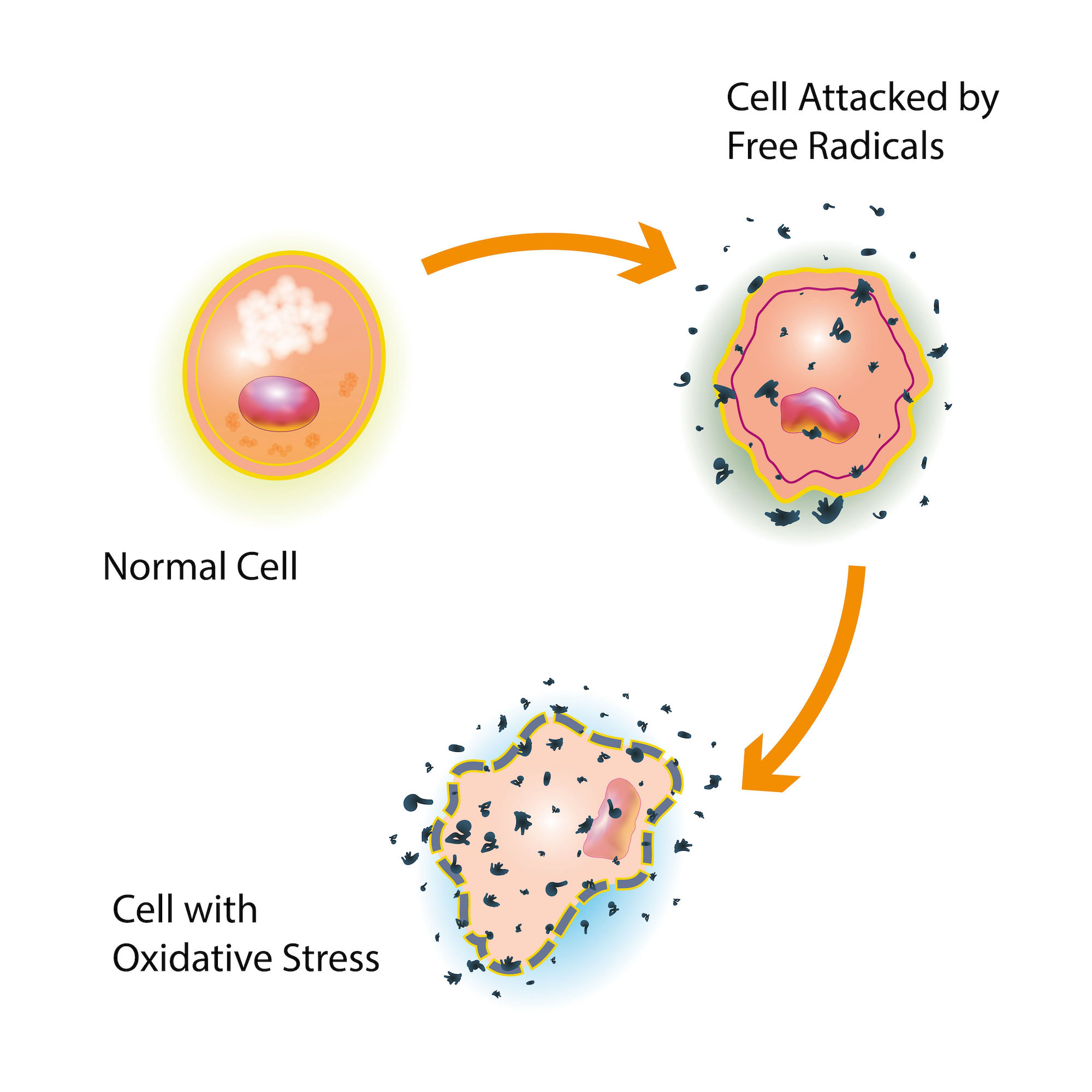
The current scientific understanding of post-acute sequelae of COVID indicates it’s closely tied to a phenomenon known as oxidative stress in the metabolic system of each cell. Metabolism is how your body uses energy from the food you eat by processing the starches, fats, proteins, medications, drugs, alcohol, chemicals and environmental toxins.
During this cascade of metabolic chemical reactions, sometimes impurities in the body cause the formation of reactive substances. If your body is unable to handle them properly, these free radicals, or reactive oxygen species (ROS), trigger oxidative stress. You’ve likely read about antioxidants in foods or supplements that help to neutralize free radicals (or ROS) that harm cells.
Oxidative stress has many causes and accumulates as your body tries to compensate. Many people, unsurprised to learn that oxidative stress and inflammation combine to fuel painful diseases like arthritis, are unsettled to learn that this damaging duo also drives repeat infections and increases the risk of diabetes, heart disease, cancer and other conditions.
Even when healthy, your body continuously processes ROS from many sources. But when we fall ill, the balance tips. Oxidative stress is a result of:
The environment
A lack of nutrition in foods
Various behaviors, like smoking
Stress from everyday life — work, commuting, finances, lack of sleep, etc.
Oxidative reactions at the cellular level are closely tied to inflammation and its related chemical messages, cytokines. Medical scientists study the levels of different cytokines to discern how a virus like SARS-CoV-2 is affecting a person with the infection and long afterwards. There are different types of immune messages or cytokines. Some suppress parts of the immune system’s inflammatory processes, while others increase them.
A basic understanding of oxidative stress and inflammation is important when learning about the new science behind how COVID exposure can make someone feel unwell long after the acute infection has passed.
COVID and the immune response
As scientists work to better understand the COVID virus, there are a few important breakthroughs regarding how the virus affects the body and its immune response. Significantly, research has explored:
The COVID spike protein and immune response
Persistence of viral genetic material after infection
Immune dysregulation
Changes to the gut microbiome
Scientific understanding of the COVID spike protein
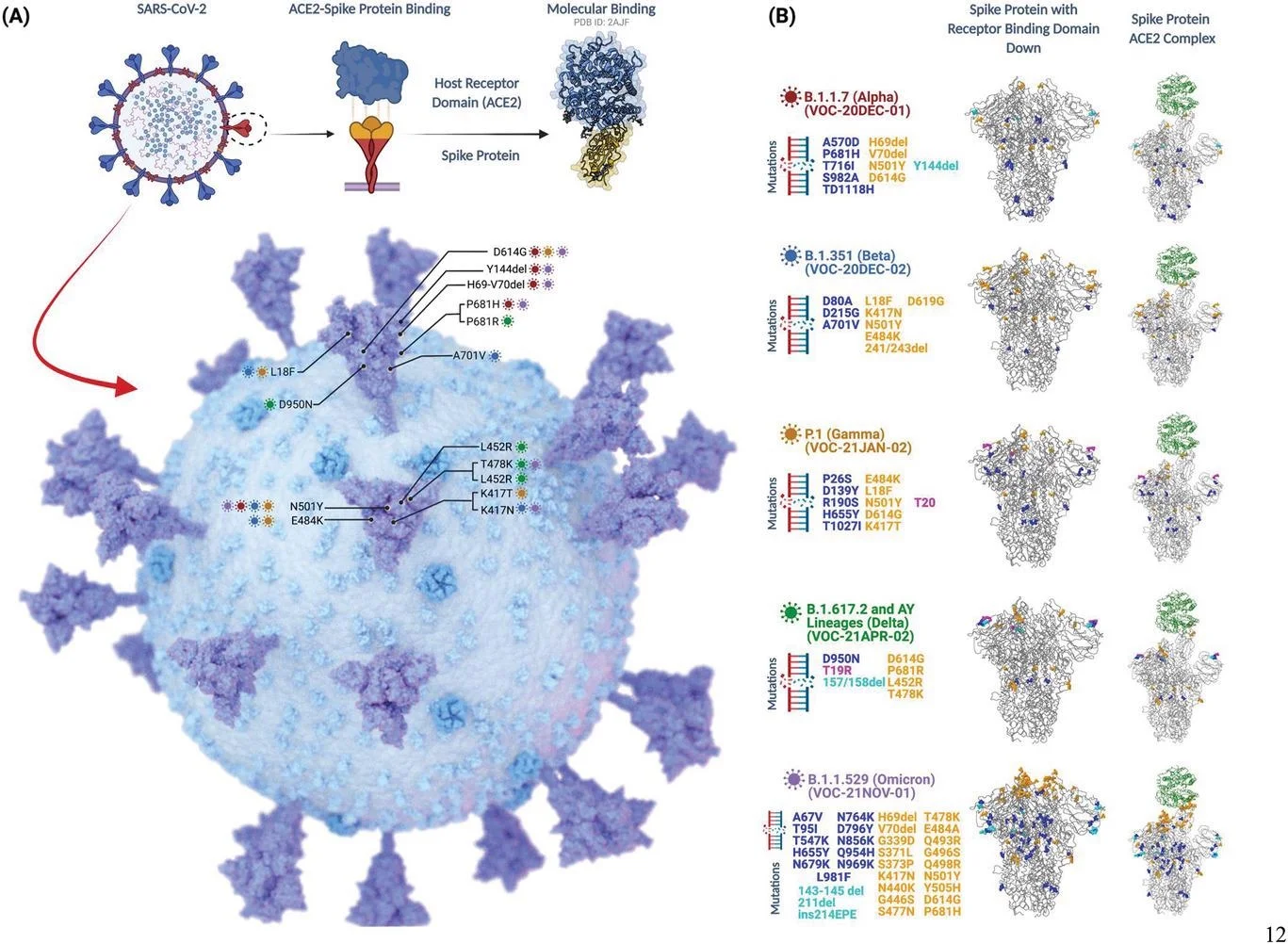
The SARS-CoV-2 (COVID-19) spike protein, either from an infection or vaccination, can circulate throughout the body and its tissues, even crossing into the brain. Studies show the spike protein causes an immune response, triggering an inflammatory reaction that cascades through the body, disrupting the metabolic function of cells and causing inflammation within the endothelial cells that line blood vessels in every organ.
This immune response is responsible for blood clotting and implicated in the increase in cardiovascular disease, stroke, diabetes, persistant lung damage and brain damage. Because spike proteins trigger inflammation throughout the body, this may explain why people document over 200 different symptoms of COVID-19.
The complexities of a mutating virus
Part of your body’s immune response is to create antibodies that match the specific genetic sequence of the COVID-19 spike protein you were exposed to, either from infection or vaccination. This is similar to a “lock and key” model. The continuous genetic mutation of SARS-Cov-2 virus from the original “alpha” variant has occurred mostly in the spike protein. Evolving genetic sequence changes in the “variant of concern” spike protein. The “keys” on the spike protein no longer “unlock” the antibody immune response as well as in the past because of an antigen mismatch.
Successive spike protein mutations of each variant have caused differing immune responses, leading to:
A reduction in the severity of illness
Increased viral transmissibility
A change in the effectiveness of vaccine and monoclonal antibody products
Though a genetically obsolete antibody may be unable to identify future SARS-COV-2 variant infections, they still signal the immune system in other ways discussed below.
Persisting virus after infection
Unfortunately, scientists have discovered that even after clinical recovery, elimination of detectable infectious virus, and the development of immunity, our body’s may still struggle to get rid of all the viral genetic material (viral RNA) inside infected cells. The difficulty of the body to remove all the viral RNA from cells may help explain why some people still experience symptoms of inflammation long after acute infection.
Immune dysregulation
Scientists have determined that antibodies to the SARS-Cov-2 spike protein have genetic sequences similar to dozens of tissue types in the human body. Because of this “molecular mimicry,” circulating COVID-19 antibodies can trigger immune responses to the person’s own tissue, causing a new autoimmune-like illness, with many patients forming new antibodies to their own body.
What’s more, numerous studies now indicate that inflammation from the COVID-19 spike protein causes a downregulation of the immune response to long-suppressed infections, allowing for reactivation of chronic viruses and biological toxins like Epstein-Barr Virus (EBV), Cytomegalovirus (CMV), Human Herpes Virus, Lyme infection, and chronic mold toxins.
Some groups of people who’ve had COVID-19 end up with similar symptoms to people with fibromyalgia, rheumatic conditions, and chronic fatigue, which are thought to be related to immune exhaustion from chronic viral or toxin inflammation.
Furthermore, there’s increasing data showing that some immune dysfunction is correlated with increased difficulty handling new viral and bacterial exposures (like the current RSV and influenza surges) or greater challenges with the routine removal of the normal cellular mutations that every person must deal with in order to prevent the “mutiny” of cancer.
Importantly, it’s been long established that viruses can induce cancer. Well-known examples include:
Hepatitis C virus and heptocellular cancer
HIV and lymphomas
Human Papillomavirus (HPV) and cervical cancer
Gut microbiome imbalances
Accumulating evidence also shows significant alterations to the gut microbiome composition of patients with long-term complications from COVID-19. The microbiome is directly related to host immunity and is an important component of investigation and therapeutic attention.
Yes, it’s all rather complex (let’s take a deep breath.)
Even as you read this, medical science is learning more each week about this diagnosis. The entire ViveWell team wants to keep you up-to-date about emerging care that may offer hope to those of you suffering from this health challenge.
At this point, you’re probably wondering what can be done to help you feel better. We can’t wait to show you.
ViveWell — your partner in long-COVID care
At ViveWell, we use comprehensive protocols specialized in treating all the systems affected by COVID and other ailments. We care for you using the best information and interventions available, and our ultimate goal is to restore your body to its natural, optimally balanced state — returning you to health and well-being.
We deliver a combination of holistic health evaluation and individualized, data-informed treatment plans based on scientifically verified therapies. We care for you with precision medicine that acts at the cellular level to rejuvenate feelings of wellness and restore health.
At ViveWell, our cutting-edge treatments do more than restore hope. They help to actually restore the health that you’ve been missing for months or years. We know the frustration people experience when whatever they’ve been doing isn’t working. Now is the time to take the first step to regaining the life you long to live. Are you ready to invest in getting your life back? We can help. The medical providers at ViveWell are ready and committed to helping you feel better.
Contact our team today with questions or to begin working toward a healthier, more rejuvenated you.
References
Block, T, & Kuo, J. (2022) Rationale for Nicotinamide Adenine Dinucleotide (NAD+) Metabolome Disruption as a Pathogenic Mechanism of Post-Acute COVID-19 Syndrome. Clinical Pathology, 15. https://doi.org/10.1177/2632010X221106986
Cabral-Marques, O., Halpert, G., Schimke, L. F., Ostrinski, Y., Vojdani, A., Baiocchi, G. C., Freire, P. P., Filgueiras, I. S., Zyskind, I., Lattin, M. T., Tran, F., Schreiber, S., Marques, A. H., Plaça, D. R., Fonseca, D. L., Humrich, J. Y., Müller, A., Giil, L. M., Graßhoff, H., … Shoenfeld, Y. (2022). Autoantibodies targeting gpcrs and Ras-related molecules associate with COVID-19 severity. Nature Communications, 13(1). https://doi.org/10.1038/s41467-022-28905-5
Groff, D, Sun, A, Ssentongo, AE, et al. (2021). Short-term and Long-term Rates of Postacute Sequelae of SARS-CoV-2 Infection: A Systematic Review. JAMA network open, 4(10), e2128568. https://doi.org/10.1001/jamanetworkopen.2021.28568
Halpert G, Shoenfeld Y. SARS-CoV-2, the autoimmune virus. Autoimmun Rev. 2020 Dec;19(12):102695. doi: 10.1016/j.autrev.2020.102695. Epub 2020 Oct 28. PMID: 33130000; PMCID: PMC7598743. https://www.ncbi.nlm.nih.gov/pmc/articles/PMC7598743/
Patterson, BK, Guevara-Coto, J, Yogendra, R, et al. (2021). Immune-Based Prediction of COVID-19 Severity and Chronicity Decoded Using Machine Learning. Frontiers in Immunology. https://doi.org/10.3389/fimmu.2021.700782
Perico L, Morigi M, Galbusera M, Pezzotta A, Gastoldi S, Imberti B, Perna A, Ruggenenti P, Donadelli R, Benigni A, Remuzzi G. SARS-CoV-2 Spike Protein 1 Activates Microvascular Endothelial Cells and Complement System Leading to Platelet Aggregation. Front Immunol. 2022 Mar 7;13:827146. doi: 10.3389/fimmu.2022.827146. PMID: 35320941; PMCID: PMC8936079.
Buzhdygan TP, DeOre BJ, Baldwin-Leclair A, Bullock TA, McGary HM, Khan JA, Razmpour R, Hale JF, Galie PA, Potula R, Andrews AM, Ramirez SH. The SARS-CoV-2 spike protein alters barrier function in 2D static and 3D microfluidic in-vitro models of the human blood-brain barrier. Neurobiol Dis. 2020 Dec;146:105131.doi:10.1016/j.nbd.2020.105131. Epub 2020 Oct 11. PMID: 33053430; PMCID: PMC7547916.
Vojdani, A., Vojdani, E., Melgar, A. L., & Redd, J. (2022). Reaction of SARS-COV-2 antibodies with other pathogens, vaccines, and food antigens. Frontiers in Immunology, 13. https://doi.org/10.3389/fimmu.2022.1003094
Jacobs, J. J. L. (2021). Persistent SARS-2 infections contribute to long covid-19. Medical Hypotheses, 149, 110538. https://doi.org/10.1016/j.mehy.2021.110538
Gold, J. E., Okyay, R. A., Licht, W. E., & Hurley, D. J. (2021). Investigation of long covid prevalence and its relationship to Epstein-Barr virus reactivation. Pathogens, 10(6), 763. https://doi.org/10.3390/pathogens10060763
Simonnet, A., Engelmann, I., Moreau, A.-S., Garcia, B., Six, S., El Kalioubie, A., Robriquet, L., Hober, D., & Jourdain, M. (2021). High incidence of Epstein–Barr virus, cytomegalovirus, and human-herpes virus-6 reactivations in critically ill patients with covid-19. Infectious Diseases Now, 51(3), 296–299. https://doi.org/10.1016/j.idnow.2021.01.005
Griffin, D. E. (2022). Why does viral RNA sometimes persist after recovery from acute infections? PLOS Biology, 20(6). https://doi.org/10.1371/journal.pbio.3001687
Verma, D., Church, T. M., & Swaminathan, S. (2021). Epstein-Barr virus lytic replication induces ACE2 expression and enhances SARS-COV-2 pseudotyped virus entry in epithelial cells. Journal of Virology, 95(13). https://doi.org/10.1128/jvi.00192-21
Wang, B., Zhang, L., Wang, Y., Dai, T., Qin, Z., Zhou, F., & Zhang, L. (2022). Alterations in microbiota of patients with covid-19: Potential mechanisms and therapeutic interventions. Signal Transduction and Targeted Therapy, 7(1). https://doi.org/10.1038/s41392-022-00986-0
Liu, Q., Mak, J. W., Su, Q., Yeoh, Y. K., Lui, G. C.-Y., Ng, S. S., Zhang, F., Li, A. Y., Lu, W., Hui, D. S.-C., Chan, P. K. S., Chan, F. K., & Ng, S. C. (2022). Gut microbiota dynamics in a prospective cohort of patients with post-acute COVID-19 syndrome. Gut, 71(3), 544–552. https://doi.org/10.1136/gutjnl-2021-325989
News Center (2021) Study links severe COVID-19 to increase in self-attacking antibodies, News Center. Available at: https://med.stanford.edu/news/all-news/2021/09/covid-19-autoantibodies.html (Accessed: December 5, 2022).
Sidik, S.M. (2022) Heart disease after Covid: What the data say, Nature News. Nature Publishing Group. Available at: https://www.nature.com/articles/d41586-022-02074-3#:~:text=These%20clots%20can%20clog%20blood,people%20who%20had%20had%20influenza. (Accessed: December 5, 2022).