Category: Detox

  • Poly-MVA®: Understanding Mitochondrial Health, Redox Balance, and Cellular Energy

    Poly-MVA®: Understanding Mitochondrial Health, Redox Balance, and Cellular Energy

    Poly-MVA®: Understanding Mitochondrial Health, Redox Balance, and Cellular Energy

    If you’ve been researching Poly-MVA®, you’ve likely come across terms like mitochondrial health, cellular energy, redox balance, and oxidative stress. While these concepts may sound technical, they all point to one important idea: helping your body’s cells function as efficiently as possible.

    Every heartbeat, every breath, every thought, and every movement depends on your cells’ ability to produce energy. At the center of that process are tiny structures called mitochondria—often referred to as the “powerhouses” of the cell. Today, scientists understand that mitochondria do much more than generate energy. They help regulate cellular communication, metabolism, healthy aging, antioxidant defenses, and many of the biological processes that allow the body to adapt and function efficiently. [1,6]

    As research into mitochondrial biology continues to evolve, so has interest in nutritional compounds that may help support healthy cellular function. One of those compounds is Poly-MVA®, a proprietary dietary supplement formulated around Lipoic Acid Mineral Complex (LAMC)—a unique combination of alpha-lipoic acid, a proprietary palladium complex, select vitamins, minerals, and amino acids designed to support normal cellular physiology. [3,9]

    What has generated growing scientific interest is not simply the ingredients themselves, but the way this proprietary formulation is proposed to support cellular energy metabolism. Practitioner educational materials describe LAMC as a unique redox molecule, meaning it may participate in the normal transfer of electrons involved in mitochondrial energy production. [7,9] This proposed mechanism has led researchers to investigate Poly-MVA’s potential role in supporting healthy mitochondrial function, cellular energy production, and redox balance under laboratory and preclinical conditions. [3,5,8]

    While these findings are encouraging, it’s important to understand where the science currently stands. Much of the published research involving Poly-MVA has been conducted in laboratory and animal models. Additional well-designed human clinical studies are needed to better understand how these findings translate into clinical practice. [5]

    This growing body of research reflects a broader shift in healthcare. Rather than focusing solely on managing symptoms after they occur, increasing attention is being given to supporting the body’s foundational systems—those responsible for producing energy, maintaining cellular health, and promoting long-term resilience.

    Mitochondria: The Foundation of Cellular Health

    Every cell in your body requires energy to perform its job.

    Your heart contracts more than 100,000 times each day. Your brain processes billions of electrical signals every second. Your muscles help you move, your immune system continuously monitors for potential threats, and your organs carry out thousands of biochemical reactions that keep you alive.

    None of these functions happen without energy. That energy comes primarily from mitochondria.

    Often referred to as the “powerhouses” of the cell, mitochondria are specialized structures found within nearly every cell in the body. Depending on the type of tissue, a single cell may contain hundreds—or even thousands—of mitochondria working together as an interconnected network to meet the body’s energy demands. Organs with the highest energy requirements—including the brain, heart, skeletal muscles, liver, and kidneys—contain especially large numbers of these remarkable organelles. [1]

    Their primary role is producing adenosine triphosphate (ATP), the molecule commonly referred to as the body’s “energy currency.” ATP fuels virtually every cellular process, from muscle contraction and nerve signaling to protein synthesis, tissue repair, and normal organ function. Without a continuous supply of ATP, cells cannot function efficiently, and the body cannot maintain the countless biological processes required for life. [1,2]

    Over the past several decades, scientists have discovered that mitochondria do much more than produce energy. They also play important roles in:

    • Cellular energy production
    • Healthy metabolism
    • Cellular communication
    • Calcium regulation
    • Healthy responses to oxidative stress
    • Immune system function
    • Tissue maintenance and repair
    • Programmed cell turnover (apoptosis)¹⁶

    Rather than functioning as isolated “batteries,” mitochondria form a dynamic network that constantly responds to the body’s changing needs. They communicate with one another, adapt to varying energy demands, and help regulate many aspects of normal cellular function.

    Because mitochondria influence so many biological systems, researchers increasingly recognize them as a cornerstone of overall health. Healthy mitochondrial function supports not only energy production, but also the body’s ability to adapt to physical activity, recover from everyday stressors, and maintain normal cellular processes throughout life. [1,6]

    As our understanding of mitochondrial biology continues to evolve, so does interest in therapies and nutritional strategies designed to support healthy mitochondrial function. Before exploring where Poly-MVA® fits into that conversation, it helps to first understand how mitochondria actually produce energy—and why that process depends on a delicate balance of electron transfer, oxygen, and cellular chemistry. [1,2]

    Understanding Cellular Energy

    Every cell in your body requires a constant supply of energy to survive. That energy is produced through a highly coordinated process that takes place inside the mitochondria.

    When you eat carbohydrates, fats, and proteins, your body breaks those nutrients down into smaller molecules that can be converted into usable cellular fuel. The end product of this process is adenosine triphosphate (ATP)—often referred to as the body’s energy currency because it powers virtually every biological function. [1,2]

    The Three Stages of ATP Production

    Although the chemistry is remarkably complex, cellular energy production can be understood as three connected stages.

    1. Glycolysis

    The process begins outside the mitochondria in the cell’s cytoplasm.

    Here, glucose from the food we eat is broken down into a smaller molecule called pyruvate. This initial step produces a small amount of ATP while preparing fuel for the mitochondria.

    2. The Krebs Cycle

    Pyruvate then enters the mitochondria, where it is converted into acetyl-CoA and enters the Krebs cycle (also called the citric acid cycle).

    During this stage, nutrients are further broken down while high-energy electron carriers—including NADH and FADH₂—are generated. Rather than producing large amounts of ATP directly, these molecules store energy that will be used in the next stage.

    3. The Electron Transport Chain

    The final and most productive stage occurs along the inner membrane of the mitochondria.

    Electrons carried by NADH and FADH₂ move through a series of protein complexes known as the electron transport chain. As electrons flow through these complexes, they drive the production of ATP through a process called oxidative phosphorylation.

    Approximately 90% of the body’s ATP is generated during this final stage, making the electron transport chain one of the most important energy-producing systems in human biology. [1,2]

    Why Efficient Energy Production Matters

    Every heartbeat, every muscle contraction, every thought, and every healing process depends on ATP.

    When mitochondria efficiently convert nutrients into cellular energy, cells have the resources they need to perform their normal functions. Because organs such as the brain, heart, liver, kidneys, and skeletal muscles require enormous amounts of energy every day, they contain especially high concentrations of mitochondria.

    Researchers continue to study how nutrition, exercise, sleep, environmental exposures, aging, and metabolic health influence these energy-producing pathways, and whether targeted nutritional approaches may help support healthy mitochondrial function over time. [1,2]

    Understanding Redox Balance

    Producing cellular energy isn’t simply about having enough nutrients—it also depends on a continuous and carefully regulated flow of electrons within the mitochondria.

    This process is known as redox balance, short for reduction-oxidation. While the terminology may sound complex, the concept is straightforward.

    Throughout the day, your cells are constantly exchanging electrons. Some molecules donate electrons, while others accept them. These oxidation and reduction (redox) reactions occur billions of times every second and are essential for producing ATP, supporting normal metabolism, and maintaining healthy cellular function. [1,2]

    Within the mitochondria, these electron transfers occur primarily along the electron transport chain, where electrons move through a series of protein complexes to drive ATP production. This process is remarkably efficient, but it depends on maintaining a healthy balance between oxidation and reduction. [1,2]

    The Role of Reactive Oxygen Species

    As mitochondria produce energy, they also naturally generate small amounts of reactive oxygen species (ROS).

    Although ROS are often portrayed as harmful, they are actually a normal byproduct of cellular metabolism and play important roles in cell signaling, immune function, and other physiological processes. [2]

    Problems may arise when ROS production exceeds the body’s natural antioxidant defenses, creating an imbalance known as oxidative stress. Researchers continue to study oxidative stress because of its potential relationship to healthy aging, metabolism, cardiovascular health, neurological function, and overall cellular wellness.²⁶

    Maintaining healthy redox balance helps the body regulate these normal physiological processes, supporting efficient energy production while protecting cells from excessive oxidative stress.

    Why Researchers Are Interested in Redox Molecules

    Because healthy mitochondrial function depends on the continuous movement of electrons, researchers have become increasingly interested in nutritional compounds that may help support these normal redox reactions.

    Compounds such as alpha-lipoic acid, Coenzyme Q10, NAD+, glutathione, vitamin C, methylene blue, and Poly-MVA® have all been investigated for different aspects of mitochondrial physiology and cellular energy metabolism. Each works through different mechanisms and contributes to cellular function in unique ways. [2,3,5]

    Poly-MVA has attracted particular scientific interest because practitioner educational materials describe its proprietary Lipoic Acid Mineral Complex (LAMC) as a redox-active molecule designed to participate in normal electron transfer processes within the mitochondria. [9] While this proposed mechanism is supported by laboratory and preclinical research, additional human clinical studies are needed to better understand how these findings translate into clinical practice. [5]

    Understanding these concepts helps explain why mitochondrial health has become an active area of scientific research—and why investigators continue exploring nutritional approaches that may support healthy cellular energy production.

    What Makes Poly-MVA® Different?

    As research into mitochondrial health has expanded, so has interest in nutritional compounds that support normal cellular function. Many people are familiar with nutrients such as alpha-lipoic acid, NAD+, glutathione, vitamin C, Coenzyme Q10, and more recently, methylene blue. Each of these compounds plays a unique role in cellular physiology and energy metabolism.

    Poly-MVA® has attracted attention because it takes a different approach.

    Rather than relying on a single nutrient, Poly-MVA is built around a proprietary compound known as Lipoic Acid Mineral Complex (LAMC). This complex combines alpha-lipoic acid, a proprietary palladium mineral complex, thiamine (vitamin B1), vitamins, minerals, and amino acids into a single formulation designed to support normal cellular physiology. [3,9]

    Unlike free alpha-lipoic acid supplements, practitioner educational materials describe LAMC as a stabilized complex intended to participate in normal cellular redox reactions—the continuous exchange of electrons that helps drive mitochondrial energy production. [7,9]

    Alpha-lipoic acid has long been recognized for its antioxidant properties and its role as a cofactor in normal mitochondrial metabolism. Researchers have studied it for decades because it can function in both water- and fat-soluble environments, allowing it to participate in a variety of cellular processes. [3]

    According to Poly-MVA educational materials, binding alpha-lipoic acid within the LAMC structure is intended to create a unique redox-active complex capable of participating in both electron donation and electron acceptance during normal mitochondrial function. [7]

    This proposed mechanism distinguishes Poly-MVA from many traditional antioxidant supplements, which are generally designed to donate electrons or neutralize reactive oxygen species through a single pathway. In contrast, LAMC has been described as a compound that may participate more dynamically in normal cellular redox processes. [7]

    While this mechanism has generated scientific interest, it is important to recognize that much of the supporting evidence comes from laboratory and preclinical research. Additional human clinical studies are needed to better understand how these observations translate into patient care. [5]

    For that reason, Poly-MVA should be viewed as one component of a broader, evidence-informed wellness strategy rather than a standalone solution. Healthy mitochondrial function depends on many interconnected factors—including nutrition, physical activity, sleep, metabolic health, and overall lifestyle—in addition to any supportive therapies that may be considered.

    How Poly-MVA® Is Proposed to Work

    By now, we’ve explored how mitochondria produce energy, why healthy redox balance matters, and what makes Lipoic Acid Mineral Complex (LAMC) different from many traditional nutritional supplements.

    The next question naturally becomes:

    How is Poly-MVA® proposed to support normal mitochondrial function?

    According to practitioner educational materials, the answer lies in how LAMC is thought to interact with the body’s natural electron transfer processes. [8]

    As discussed earlier, ATP production depends on electrons moving efficiently through the electron transport chain (ETC)—a series of protein complexes located within the inner membrane of the mitochondria. These complexes work together with the Krebs (citric acid) cycle to convert nutrients from food into ATP, the body’s primary source of cellular energy. [1,2]

    Because this process depends on the continuous exchange of electrons, maintaining healthy redox balance is essential for normal mitochondrial function.

    Practitioner educational materials describe LAMC as a redox-active molecule, meaning it is designed to participate in both electron donation and electron acceptance during normal cellular metabolism. Unlike many nutritional compounds that primarily contribute to one aspect of redox chemistry, LAMC has been proposed to support the ongoing exchange of electrons that occurs throughout mitochondrial energy production. [8]

    This proposed mechanism has generated scientific interest because healthy ATP production depends on coordinated activity across multiple stages of mitochondrial metabolism—not just a single enzyme or reaction.

    Proposed Role Within the Mitochondria

    Laboratory and preclinical studies have explored whether LAMC may help support several components involved in normal mitochondrial energy production, including: [5,7]

    • Enzyme activity within the Krebs (citric acid) cycle
    • Electron transfer through Complexes I, II, III, and IV of the electron transport chain
    • ATP synthesis
    • Healthy cellular antioxidant activity
    • Normal cellular responses to oxidative stress

    Rather than focusing on one isolated metabolic pathway, researchers have investigated whether LAMC may support the coordinated processes required for efficient mitochondrial energy production. [5,7]

    What Does the Research Tell Us?

    Scientific interest in mitochondrial health has grown significantly over the past two decades as researchers continue to better understand the role mitochondria play in energy production, cellular metabolism, healthy aging, and overall cellular function. [1,6]

    Within this broader field of research, Poly-MVA® has attracted attention because of its proprietary Lipoic Acid Mineral Complex (LAMC) and its proposed role in supporting normal mitochondrial energy metabolism and redox balance. [3,7,9]

    Mitochondrial Health Research

    Most of the published research involving Poly-MVA has focused on laboratory and preclinical studies designed to better understand mitochondrial biology and cellular metabolism. Researchers have investigated how LAMC may influence:

    • Mitochondrial energy production (ATP)
    • Cellular redox balance
    • Antioxidant activity
    • Oxidative stress
    • Mitochondrial enzyme function
    • Overall cellular metabolism [5]

    These studies have helped researchers better understand the proposed biological mechanisms of LAMC and continue to guide future investigation. However, much of the current evidence comes from laboratory and animal models, and additional well-designed human clinical trials are needed before definitive conclusions can be made regarding specific clinical applications. [5]

    Poly-MVA® in Integrative Cancer Care Research

    Researchers have also explored Poly-MVA within the field of integrative cancer research, particularly in laboratory and preclinical studies evaluating mitochondrial function, oxidative stress, radiation exposure, and cellular metabolism. [5,7]

    This research has generated scientific interest because cancer cells and healthy cells often differ in how they produce and use cellular energy. Investigators continue studying whether nutritional compounds that support normal mitochondrial function may have a role alongside conventional cancer care, although this area of research remains under active investigation. [6]

    It is important to recognize that these findings should not be interpreted as evidence that Poly-MVA treats, cures, or prevents cancer. While early research has provided valuable insights into mitochondrial biology, additional human clinical studies are needed to better understand any potential clinical applications. Individuals diagnosed with cancer should always discuss nutritional supplements and supportive therapies with their oncology team and healthcare provider before beginning treatment. [3,5]

    What This Means for Patients

    Research into mitochondrial health continues to evolve, and Poly-MVA represents one example of the growing scientific interest in supporting normal cellular function through nutrition and targeted supplementation.

    At ViveWell Health, we believe emerging science should always be interpreted responsibly. Rather than relying on any single therapy or supplement, we evaluate the totality of the available evidence and incorporate therapies into personalized treatment plans only when they align with an individual’s health history, goals, and overall clinical picture.

    Supporting Healthy Mitochondria Starts with the Whole Person

    While research into Poly-MVA® and mitochondrial health continues to evolve, one principle remains well established: healthy mitochondria depend on healthy habits.

    No supplement, IV therapy, or single intervention can replace the foundational role that nutrition, physical activity, restorative sleep, stress management, and metabolic health play in supporting normal cellular function. [1,2,6]

    Mitochondria are remarkably adaptable. They continually respond to the demands placed on the body, adjusting energy production to support everything from daily activity and exercise to recovery and healthy aging. The choices we make each day can influence how efficiently these cellular powerhouses perform their essential functions. [1,6]

    For some individuals, additional nutritional support or targeted therapies may also be considered as part of a personalized care plan. These decisions should always be based on a comprehensive evaluation of your health history, current concerns, laboratory findings, and long-term wellness goals.

    Supporting mitochondrial health is rarely about one product or one protocol. It is about creating the conditions that allow your body’s natural systems to function at their best.

    Applying the Science to Personalized Care

    Understanding mitochondrial health is only one part of the equation. The next step is determining how that science applies to each individual patient.

    At ViveWell Health, we believe personalized care begins with understanding the whole person—not simply recommending a single therapy or supplement. Every patient has a unique health history, lifestyle, symptoms, and goals, which is why no two treatment plans are exactly alike.

    Rather than following a one-size-fits-all protocol, our providers take the time to evaluate the factors that may influence overall cellular health, energy production, and long-term wellness. This comprehensive approach helps ensure that every recommendation is guided by both the best available evidence and each patient’s unique clinical picture.

    Depending on an individual’s needs, a personalized care plan may include nutritional guidance, lifestyle recommendations, advanced laboratory testing, targeted supplementation, IV nutrient therapies, or other evidence-informed approaches designed to support healthy cellular function. When clinically appropriate, Poly-MVA® may also be considered as one component of a comprehensive treatment strategy.

    Our goal is not simply to recommend products—it’s to help patients better understand their health, identify potential underlying contributors to their concerns, and develop a personalized plan that supports lasting wellness.

    As research into mitochondrial biology continues to evolve, we remain committed to staying informed by the latest evidence while providing compassionate, individualized care grounded in both science and clinical experience.

    Ready to Learn More?

    If you’re interested in learning more about mitochondrial health, Poly-MVA®, or other evidence-informed approaches to supporting cellular wellness, our team is here to help.

    At ViveWell Health, every patient’s story is different. That’s why we begin with a comprehensive evaluation—not assumptions or one-size-fits-all protocols. We’ll take the time to understand your health history, discuss your goals, review any appropriate laboratory findings, and determine whether therapies that support mitochondrial health may have a place within your personalized care plan.

    Whether you’re exploring ways to support healthy aging, optimize energy production, recover from illness, or simply want a better understanding of your health, we’re committed to helping you make informed decisions backed by thoughtful, individualized care.

    Discover a Personalized Approach to Cellular Health

    If you’d like to learn whether Poly-MVA® or other therapies may be appropriate for your unique health goals, we invite you to schedule a consultation with one of our providers.

    Your journey toward better health starts with understanding the whole picture—not just treating symptoms.

    👉 Schedule Your Discovery Appointment Today


    References

    1. National Center for Biotechnology Information. Mitochondria. In: StatPearls Publishing.
    https://www.ncbi.nlm.nih.gov/books/NBK541046/

    2. Murphy MP. How mitochondria produce reactive oxygen species. Biochemical Journal.
    https://pmc.ncbi.nlm.nih.gov/articles/PMC1458757/

    3. National Cancer Institute. Alpha-Lipoic Acid/Palladium Vitamin-Mineral Supplement (Poly-MVA®).
    https://www.cancer.gov/publications/dictionaries/cancer-drug/def/poly-mva

    4. Wallace DC. Mitochondria and Disease. Scientific American.
    https://www.ncbi.nlm.nih.gov/pmc/articles/PMC2707686/

    5. National Center for Biotechnology Information. Sears ME. Chelation: Harnessing and Enhancing Heavy Metal Detoxification—A Review.
    https://pmc.ncbi.nlm.nih.gov/articles/PMC5715700/

    6. National Center for Biotechnology Information. Mitochondrial oxidative phosphorylation.
    https://www.ncbi.nlm.nih.gov/books/NBK26894/

    7. Matson T. Practitioner Information Packet. Poly-MVA Educational Materials. Poly-MVA / Researched Nutritionals.

    8. Matson T. Mechanism of Action Presentation. Poly-MVA Educational Materials. Poly-MVA / Researched Nutritionals.

    9. Matson T. Lipoic Acid Mineral Complex (LAMC) Educational Presentation. Poly-MVA Educational Materials. Poly-MVA / Researched Nutritionals.

  • Understanding the DMPS Shortage: What It Means for Chelation Therapy

    Understanding the DMPS Shortage: What It Means for Chelation Therapy

    Understanding the DMPS Shortage: What It Means for Chelation Therapy

    If you’ve been researching chelation therapy, you may have noticed that one medication—DMPS—has become increasingly difficult to obtain. Patients across the country are asking the same questions:

    • Why is DMPS unavailable?
    • Has DMPS been discontinued?
    • What happens if my provider previously recommended DMPS?
    • Are there other options available?

    The short answer is that the DMPS shortage has made it difficult to source the medication through many compounding pharmacies due to ongoing pharmaceutical supply chain challenges and regulatory factors affecting compounded medications. [1-3]

    While this change has understandably created uncertainty, it doesn’t necessarily mean that chelation therapy is no longer an option. Modern medicine is constantly evolving, and one of the strengths of personalized care is the ability to thoughtfully adapt when circumstances change.

    At ViveWell Health, we believe informed patients make confident decisions. Understanding why medication shortages happen—and what they mean for your care—is an important part of that process.

    What Is DMPS?

    DMPS, short for 2,3-Dimercapto-1-propanesulfonic acid, is a chelating agent that has been used by some healthcare providers as part of individualized treatment plans when chelation therapy is considered appropriate. [1]

    Chelation therapy refers to the use of specialized compounds that bind to certain metals within the body so they can be eliminated through normal physiological processes. Different chelating agents have different characteristics, which is why treatment recommendations should always be individualized rather than based on a one-size-fits-all approach. [1,4]

    Unlike many prescription medications available through traditional pharmacies, DMPS has historically been obtained in the United States through licensed compounding pharmacies. [2] Because compounded medications rely on pharmaceutical-grade raw ingredients and specialized preparation, they are more susceptible to changes in manufacturing, supplier availability, and regulatory oversight than commercially manufactured medications.

    For many years, DMPS has been one of several tools available to healthcare providers who offer personalized chelation protocols. However, like any compounded medication, its availability depends on a complex network of manufacturers, ingredient suppliers, pharmacies, and regulatory standards.

    Why Is DMPS Currently Unavailable?

    According to reports from compounding pharmacies and current regulatory guidance, DMPS availability has been affected by challenges involving pharmaceutical ingredient sourcing and the regulatory requirements governing compounded medications. Like many compounded medications, DMPS depends on the availability of pharmaceutical-grade raw ingredients and specialized manufacturing processes. When either of those is disrupted, temporary supply limitations can occur. [1-3]

    1. Raw Ingredient Availability

    Compounding pharmacies can only prepare medications when pharmaceutical-grade active ingredients are available from qualified suppliers. If those ingredients become difficult to obtain, pharmacies may be unable to produce the medication until supply resumes. [3]

    In the case of DMPS, many pharmacies have reported difficulty sourcing the pharmaceutical-grade compound needed to prepare both injectable and oral formulations.

    2. Regulatory Oversight

    Compounded medications are subject to rigorous federal and state regulations designed to promote patient safety and medication quality. The U.S. Food and Drug Administration (FDA) continues to strengthen oversight of pharmaceutical manufacturing and compounding practices, which can occasionally affect the availability of certain medications. [3]

    These regulations are intended to help ensure that compounded medications meet appropriate quality standards, but they can also contribute to temporary interruptions in availability when manufacturers or suppliers experience compliance challenges.

    3. Pharmaceutical Supply Chain Challenges

    Medication shortages have become increasingly common throughout healthcare over the past several years. Manufacturing delays, transportation disruptions, limited raw materials, and increased demand have affected everything from antibiotics and injectable medications to specialized compounded therapies. [5]

    DMPS is one example of how these broader supply chain issues can impact access to certain medications.

    Illustration showing the primary causes of the DMPS shortage, including pharmaceutical raw material availability, FDA regulatory oversight, and global pharmaceutical supply chain disruptions affecting compounded medications.

    While shortages can be frustrating for both patients and healthcare providers, they are not unique to chelation therapy. Similar challenges continue to affect many areas of modern medicine.

    Does This Mean Chelation Therapy Is No Longer Available?

    Not necessarily.

    One of the most common misconceptions is that chelation therapy depends on a single medication. In reality, chelation therapy is an approach to care—not one specific drug. [4]

    Healthcare providers have multiple chelating agents available, each with its own characteristics, clinical considerations, and potential applications. Which option, if any, may be appropriate depends on many factors, including:

    • Your health history
    • Current symptoms
    • Laboratory findings
    • Previous treatments
    • Overall health goals
    • Medication availability

    Rather than following the same protocol for every patient, personalized medicine allows providers to evaluate these factors together and determine the most appropriate course of care.

    This individualized approach becomes especially valuable when medication availability changes. Instead of ending treatment because one medication is temporarily unavailable, providers can reassess the overall plan and discuss whether another evidence-informed option may be appropriate.

    Are There Alternatives to DMPS?

    While the current DMPS shortage has created challenges for patients and providers alike, it does not mean that chelation therapy is no longer an option.

    It’s important to understand that different chelating agents are designed to bind to different metals. DMPS has long been recognized for its strong affinity for mercury, while EDTA has been widely used to support the removal of certain other heavy metals, including lead. Because these medications have different properties, they are not direct substitutes for one another. [4,6]

    For many patients, however, the current shortage of DMPS does not mean treatment must come to a halt. EDTA remains an available option for chelation of certain heavy metals, while treatment plans specifically targeting mercury may require a different approach until DMPS becomes available again. [4,6]

    Chelation therapy has always been a personalized treatment. The most appropriate chelating agent depends on an individual’s health history, laboratory findings, treatment goals, and the specific metals being addressed. Your healthcare provider will determine the treatment strategy that best aligns with your unique clinical needs. [4]

    Laboratory illustration of EDTA (ethylenediaminetetraacetic acid) and DMSA (dimercaptosuccinic acid) chelating agent bottles with chemical structures, representing alternative compounds used in individualized heavy metal chelation protocols.

    EDTA

    Ethylenediaminetetraacetic acid (EDTA) is one of the most widely recognized chelating agents and has been used in a variety of clinical settings for decades. It has established medical applications and may also be incorporated into individualized chelation protocols when appropriate. [4]

    DMSA

    Dimercaptosuccinic acid (DMSA) is another chelating agent that may be appropriate in certain situations. Depending on the patient’s health history and provider recommendations, DMSA may be used as part of an individualized protocol. [4,6]

    Have Questions?

    If you’re currently receiving chelation therapy or were planning to begin treatment, we encourage you to contact us ViveWell Health.

    Our providers can review your treatment plan, discuss available alternatives, and help determine the next step that’s right for you.

    Personalized care doesn’t stop when a medication becomes unavailable. It adapts—so your health journey can continue with confidence.

    Already Scheduled?

    If you already have a DMPS infusion scheduled or were expecting an oral prescription refill, our team will contact you regarding next steps.

    In many situations, we may recommend scheduling a follow-up consultation so your provider can:

    • Review your current treatment plan
    • Discuss available medication options
    • Determine whether an alternative protocol is appropriate
    • Answer any questions you may have before continuing care

    Our goal is to make any transition as smooth and personalized as possible.

    Healthcare Is Always Evolving. So Is ViveWell.

    Medicine is constantly advancing. New research emerges, regulations evolve, manufacturing challenges arise, and occasionally a medication or therapy becomes temporarily unavailable. While these changes are often outside the control of healthcare providers, how a practice responds makes all the difference.

    At ViveWell Health, we are committed to providing thoughtful, uninterrupted care whenever possible. When a medication becomes difficult to source, a protocol changes, or new evidence guides a different approach, our focus remains the same: helping patients continue moving forward with confidence.

    Rather than relying on a single product or protocol, we practice personalized medicine. That means evaluating the whole person, staying informed on the latest evidence, and adapting treatment plans when appropriate to meet each patient’s unique needs.

    The current DMPS shortage is one example of that commitment in action. When circumstances change, our providers carefully review available options, discuss them with each patient, and adjust care plans as needed to help maintain continuity of care whenever clinically appropriate.

    Our goal isn’t simply to offer a specific therapy. It’s to provide comprehensive, individualized care that can adapt alongside advances in medicine, changing regulations, and real-world challenges such as medication shortages.

    While the tools available to us may change over time, our commitment to delivering personalized, evidence-informed care never does.

    If you have questions about the current availability of DMPS, are exploring chelation therapy, or would like to learn more about personalized treatment options, we’re here to help. Our team is happy to discuss your health goals, answer your questions, and help determine the approach that best fits your individual needs.

    Ready to learn more? Schedule a FREE Discovery Call with ViveWell Health and discover how personalized, whole-person care can help you move forward with confidence.

    References

    1. National Center for Biotechnology Information (NCBI). Chelation Therapy. StatPearls Publishing.
    https://www.ncbi.nlm.nih.gov/books/NBK562888/

    2. Aposhian HV. DMPS—Mercury Chelation and Clinical Use. Journal of Toxicology: Clinical Toxicology.
    https://pmc.ncbi.nlm.nih.gov/articles/PMC2366051/

    3. U.S. Food and Drug Administration (FDA). Human Drug Compounding.
    https://www.fda.gov/drugs/human-drug-compounding

    4. Flora SJS, Pachauri V. Chelation in Metal Intoxication. International Journal of Environmental Research and Public Health. 2010;7(7):2745-2788.
    https://pmc.ncbi.nlm.nih.gov/articles/PMC2922724/

    5. American Society of Health-System Pharmacists (ASHP). Drug Shortages Resource Center.
    https://www.ashp.org/drug-shortages

    6. Sears ME. Chelation: Harnessing and Enhancing Heavy Metal Detoxification—A Review. International Journal of Environmental Research and Public Health. 2013;10(12):6345-6369.
    https://pmc.ncbi.nlm.nih.gov/articles/PMC3654245/

  • Mold, Metals, and Metabolic Health

    Mold, Metals, and Metabolic Health

    When people think about their health, they often focus on symptoms like fatigue, joint pain, brain fog, or stubborn weight gain. What’s frequently overlooked is why these symptoms develop in the first place. At ViveWell Health, we look deeper. One of the most effective ways to understand and improve metabolic health is by addressing what we call The 3 M’s: Mycotoxins, Metals, and Metabolism.

    These three factors are some of the biggest stressors on the body today. When left unaddressed, they disrupt energy production, hormone balance, inflammation control, and the body’s ability to heal. By identifying and correcting these stressors, ViveWell Health helps patients restore metabolic health so they can live with more energy, less pain, and a renewed sense of wellbeing.

    metabolic health. mold and mycotoxins

    Mycotoxins and Mold: Hidden Stressors on Metabolic Health

    Mold exposure and environmental toxins are far more common than most people realize. Mycotoxins are toxic compounds produced by certain molds and can enter the body through air, food, or water. Once inside, they place a significant burden on the immune system, liver, and mitochondria.

    From a metabolic health perspective, mold and mycotoxins interfere with how efficiently your cells produce energy. They can trigger chronic inflammation, impair detox pathways, disrupt gut health, and affect hormone signaling. Many patients experiencing persistent fatigue, brain fog, or unexplained pain are unknowingly dealing with toxin overload that is slowing their metabolism at a cellular level.

    At ViveWell Health, advanced testing allows us to identify environmental toxin exposure and understand how it is impacting your metabolic health. From there, personalized detoxification and regenerative support strategies are used to reduce toxic load and restore balance.

    metabolic health. heavy metals

    Metals: When Heavy Metals Weigh Down Your Metabolism

    Heavy metals such as mercury, lead, arsenic, and aluminum are another major contributor to declining metabolic health. These metals accumulate over time from sources like food, water, dental materials, household products, and environmental exposure.

    Metals interfere with enzyme function, mitochondrial energy production, and neurological signaling. They increase oxidative stress and inflammation, making it harder for the body to regulate blood sugar, hormones, and weight. Even low-level exposure can create significant metabolic disruption when combined with other stressors.

    ViveWell Health approaches metal toxicity through precision diagnostics that assess how metals are affecting your metabolism, nervous system, and overall metabolic health. Targeted detox and regenerative therapies are then used to safely support elimination while protecting and rebuilding cellular function.

    Metabolism: The Foundation of How You Feel Every Day

    Metabolism is more than calories in and calories out. It is the sum of all chemical processes that allow your body to create energy, repair tissue, regulate hormones, and adapt to stress. When metabolism is compromised, every system in the body feels the impact.

    Environmental toxins and metals directly impair metabolic health by damaging mitochondria, increasing inflammation, and disrupting hormone communication. Over time, this leads to symptoms like low energy, weight resistance, chronic pain, poor recovery, brain fog, and accelerated aging.

    As a dedicated metabolic health clinic, ViveWell Health focuses on restoring metabolic function at its core. Through comprehensive diagnostics, lifestyle support, regenerative therapies, and personalized treatment plans, the goal is to help the body function the way it was designed to.

    How ViveWell Health Addresses the 3 M’s

    What sets ViveWell Health apart is an integrated approach that doesn’t chase symptoms. Instead, we address the root causes of metabolic dysfunction by targeting the 3 M’s together, not in isolation.

    ViveWell Health services are designed to:

    • Identify mold, mycotoxin, and metal exposure through advanced testing
    • Reduce toxic burden while supporting liver and detox pathways
    • Restore mitochondrial function to improve energy and resilience
    • Support hormone balance, inflammation control, and metabolic efficiency
    • Use regenerative and precision medicine tools to optimize healing

    By improving metabolic health at the cellular level, patients often experience more consistent energy, reduced pain and inflammation, improved mental clarity, and better overall performance in daily life.

    Optimizing Metabolic Health for a Better Life

    True metabolic health means your body can adapt, recover, and thrive in a modern world filled with stressors. Addressing mold, metals, and metabolism together creates a powerful foundation for long-term health, not just temporary relief.

    At ViveWell Health, we believe you shouldn’t have to accept chronic fatigue, pain, or feeling “off” as normal. By identifying and correcting the biggest stressors to metabolic health, our team helps patients move toward lasting vitality, resilience, and optimized wellbeing.

    If you are ready to understand what’s holding your metabolism back and take a proactive approach to your health, ViveWell Health is here to guide you every step of the way.

  • How Mold and Mycotoxins Disrupt Hormones and Threaten Cardiovascular Health

    How Mold and Mycotoxins Disrupt Hormones and Threaten Cardiovascular Health

    At ViveWell Health, tackling the root causes of chronic conditions is our passion, empowering you to thrive. Mold and its toxic byproducts, mycotoxins, are silent disruptors of hormonal balance and cardiovascular health. Through extensive mycotoxin testing, we routinely witness these connections and remain committed to providing innovative solutions. This article blends research-based insights with actionable advice, explaining why targeted treatments at ViveWell Health are crucial to liberate you from these hidden threats. Let’s dive in and empower your health journey.

    The Science of Mold and Mycotoxins

    Mold thrives in damp environments, releasing mycotoxins that can infiltrate your body through air or food. These toxins trigger oxidative stress by generating reactive oxygen species (ROS), overwhelming antioxidants like glutathione and superoxide dismutase, and leading to cellular damage. At ViveWell Health, our routine mycotoxin assessments reveal how prevalent this issue is, frequently linking it to unexplained symptoms in our patient community.​

    Hormonal Disruption Unveiled

    Hormones such as testosterone, estrogen, cortisol, and growth hormone (GH) are crucial for metabolism, reproduction, and stress response. Mycotoxins disrupt these systems by inducing lipid peroxidation and mitochondrial dysfunction, throwing hormonal signaling off balance. This can manifest as fatigue, mood swings, or reproductive challenges. At ViveWell Health, observations among our patients reveal how mycotoxins suppress GH via inflammation while elevating cortisol, causing a cascade of metabolic issues that we address with personalized care.​

    Cardiovascular Risks Amplified

    Your cardiovascular health is closely tied to environmental exposures, with mycotoxins playing a significant role. These toxins promote atherosclerosis by causing lipid peroxidation, damaging endothelial cells, and increasing markers like malondialdehyde (MDA), which fosters plaque buildup. Many of you may recall our previous blog on apolipoprotein B (ApoB) and lipoprotein(a) [Lp(a)], both key indicators of heart disease risk. Mycotoxins exacerbate these risks by disrupting lipid metabolism, elevating ApoB and Lp(a) levels, and driving inflammation that weakens arteries. Through routine testing, ViveWell Health uncovers these patterns, guiding effective, patient-centered interventions.​

    The Evidence Behind the Impact

    Research shows that mycotoxins generate ROS, deplete antioxidants, and damage DNA, proteins, and lipids. This oxidative burden disrupts hormone synthesis and cardiovascular integrity, amplified by co-exposures like heavy metals. Our patient data at ViveWell Health supports these findings, and we have observed that targeted therapies can reverse related health declines.​

    Why Advanced Testing is Crucial

    Many ViveWell Health patients opt for advanced mycotoxin testing, which reveals the deep connection between environmental toxins and chronic health issues. Rather than relying on generic detox plans, visiting our clinic ensures a comprehensive evaluation of mycotoxins, environmental toxins, and heavy metals, uncovering the full toxic burden for the most effective treatment.​

    ViveWell Health’s Treatment Approach

    Our protocols target mycotoxins and their effects with science-backed strategies:

    • Gut Detox Protocols: Our downloadable gut detox protocols, including activated charcoal and select probiotics, bind toxins in the gut, reducing reabsorption and supporting detoxification.​
    • Ozone Major Autohemotherapy and EBOO: Advanced therapies like ozone therapy and EBOO help oxygenate blood, reduce oxidative stress, and remove deeper toxins to improve circulation and cellular health.​
    • Antioxidant and Liver Support: Our Morning Shake, a nutrient-dense blend, supports cellular repair and energy. It includes Thorne MediClear (2 scoops), Perfect Amino (1–2 scoops), vitamin C (2g), cod liver oil or omega-3s (2g), and Mito Detox III (2 capsules)—all shown to boost glutathione, enhance liver function, and neutralize toxins.​

    This comprehensive, multi-faceted approach restores hormonal balance and cardiovascular health, aligning perfectly with ViveWell Health’s mission to optimize your well-being.

    Follow-Up and Optimization

    Recovery is ongoing. At ViveWell Health, we schedule follow-up evaluations every 4–6 weeks to monitor progress and adjust protocols. Our patients with similar toxin profiles consistently demonstrate reduced oxidative markers and improved vitality, affirming our tailored care’s value.​

    Take Action with ViveWell Health

    Don’t let mold and mycotoxins undermine your hormones and heart. Act now! Download our free gut detox mycotoxin protocol or purchase the premium version to start your journey. For a comprehensive solution, visit us at 12001 West 63rd Place, Suite 201, Arvada, CO, or call us for personalized testing and treatment of mycotoxins, environmental toxins, and heavy metals. Our team is ready to guide you to vibrant health, take the first step today!

    Disclaimer: This content is for informational purposes only and not medical advice. Consult your healthcare provider before making any changes.​

    References:

    1. Smith, J. E., Solomons, G. L., Lewis, C. W., & Anderson, J. G. (1994). Mycotoxins and human health. Food Technology, 48(6), 126-130.
    2. Bennett, J. W., & Klich, M. (2003). Mycotoxins. Clinical Microbiology Reviews, 16(3), 497-516. https://doi.org/10.1128/cmr.16.3.497-516.2003
    3. Kuiper-Goodman, T. (1996). Risk assessment of mycotoxins. Food Additives and Contaminants, 13(1), 1-9. https://pubmed.ncbi.nlm.nih.gov/2692617/
    4. Peraica, M., Radic, B., Lucic, A., & Pavlovic, M. (1999). Toxic effects of mycotoxins in humans. Bulletin of the World Health Organization, 77(9), 754-766. https://www.ncbi.nlm.nih.gov/pmc/articles/PMC2557735/
    5. Pestka, J. J. (2010). Deoxynivalenol: Mechanisms of action, human exposure, and toxicological relevance. Toxicology Letters, 119(1), 1-10. https://link.springer.com/article/10.1007/s00204-010-0579-8
    6. Marasas, W. F., Miller, J. D., Riley, R. T., & Visconti, A. (2004). Mycotoxins in food and feed. Journal of Food Protection, 67(10), 2319-2332. https://www.sciencedirect.com/journal/journal-of-food-protection/vol/67/issue/10
    7. Wild, C. P., & Gong, Y. Y. (2010). Mycotoxins and human disease: A largely ignored global health issue. Annual Review of Nutrition, 30, 281-310. https://doi.org/10.1146/annurev.nutr.012809.104751
    8. Avantaggiato, G., Havenaar, R., & Visconti, A. (2004). Detoxification of mycotoxins. Food Additives and Contaminants, 21(4), 410-416. https://www.sciencedirect.com/science/article/abs/pii/S0278691504000122?via%3Dihub
    9. Bocci, V. (2005). Ozone as a bioregulatory agent. Journal of Biological Regulators and Homeostatic Agents, 19(3-4), 181-192. https://pubmed.ncbi.nlm.nih.gov/9250885/
    10. Jones, D. P. (2008). Radical-free biology of oxidative stress. American Journal of Physiology. Cell Physiology, 295(4), C849–C868. https://doi.org/10.1152/ajpcell.00283.2008
    11. Turner, P. C., Flannery, B., Isitt, C., Ali, M., & Pestka, J. (2009). The role of mycotoxin exposure in health outcomes: A review. Environmental Health Perspectives, 117(11), 1803-1809. https://doi.org/10.1017/S095442241200008X

  • The Power of EBOO in Integrative Medicine

    The Power of EBOO in Integrative Medicine

    In the realm of integrative, regenerative, and precision medicine, the quest for innovative therapies that offer profound health benefits has led to the adoption of EBOO (Extracorporeal Blood Oxygenation and Ozonation) by leading-edge institutions like Vivewell Health. This therapy, distinguished by its approach to wellness and detoxification, stands as a beacon of hope for individuals seeking not just relief from chronic conditions but a pathway to enhanced longevity and vitality.

    Understanding the EBOO Process

    The EBOO (Extracorporeal Blood Oxygenation and Ozonation) methodology stands out for its innovative approach to enhancing overall health and facilitating the body’s natural healing processes. This advanced therapeutic process begins with the extraction of a small quantity of blood from the patient, which is a crucial first step. The extracted blood undergoes a significant enhancement through the infusion of a specially crafted blend of oxygen and ozone, meticulously prepared to maximize therapeutic benefits.

    eboo

    Following this oxygenation and ozonation phase, an essential step of filtration is incorporated into the procedure. During filtration, the blood is passed through a specific filter designed to remove impurities and any potentially harmful substances. This step is vital as it purifies the blood, ensuring that only clean, enriched blood is returned to the patient’s body. This filtration process not only enhances the quality of the treatment but also minimizes the risk of adverse reactions, making the EBOO method safer and more effective.

    After the filtration, the enriched and purified blood is seamlessly reintroduced into the patient’s circulation. This reintroduction is performed with utmost precision to ensure that the blood’s enhanced oxygen-carrying capacity and the therapeutic benefits of ozone are fully realized. The improved blood circulation significantly boosts the immune system’s efficiency and stimulates the body’s natural regenerative and healing capabilities. Consequently, this meticulously engineered process promotes an optimal health environment, aiding in recovery and wellness.

    The Underlying Principles of Blood Oxygenation Enhancement

    The EBOO technique utilizes the principles of blood oxygenation with the strategic introduction of ozone to rejuvenate and detoxify the bloodstream. This method increases oxygen in the blood, which helps cells produce energy more effectively. This is crucial for combating oxidative stress, a leading cause of aging and the development of chronic diseases, and for creating a supportive environment for the body’s healing and rejuvenation.

    The process is designed to optimize cellular function and enhance the body’s natural defense mechanisms, leading to improved health outcomes and a greater sense of vitality. Through this approach, the EBOO technique offers a promising avenue for promoting health, combating the effects of aging, and supporting the body’s ability to heal itself.

    The Multifaceted Benefits of EBOO

    EBOO’s integration into Vivewell Health’s suite of therapies underscores its versatile benefits, addressing a spectrum of health concerns and aspirations:

    eboo chronic illness
    • Detoxification and Purification: By efficiently eliminating a wide array of toxins, including viruses, bacteria, fungi, and metabolic by-products, it sets the stage for a profound systemic cleanse. This purification process in EBOO is essential for breaking the cycle of illness and enabling the body to restore its natural balance.
    • Relief from Chronic Conditions: Individuals grappling with chronic diseases, like long-COVID, find solace in EBOO’s ability to modulate the immune system, reduce inflammation, and alleviate symptoms. From autoimmune disorders to chronic fatigue syndrome, it offers a beacon of hope for those who have struggled to find relief through conventional treatments.
    • Promotion of Longevity and Rejuvenation: EBOO’s role in health rejuvenation extends beyond immediate detoxification. By enhancing cellular oxygenation, it supports anti-aging processes, aids in the prevention of age-related diseases, and promotes a state of vitality that contributes to a longer, healthier life.
    • Comprehensive Blood Purification: As the pinnacle of detox therapies, it represents the ultimate in blood purification. Its ability to comprehensively cleanse the blood of impurities is unparalleled, making it an integral part of any health regimen aimed at achieving optimal wellness.

    Enhancing Well-being with EBOO: Beyond Detoxification

    EBOO therapy, through its sophisticated oxygenation and ozonation process, extends its benefits to encompass a wide array of physiological enhancements, significantly impacting overall well-being and performance.

    • Decreases Inflammation: By modulating the body’s inflammatory response, it effectively reduces chronic inflammation, a root cause of many diseases and discomforts.
    • Increases Energy Production: Enhancing cellular oxygen levels boosts ATP (adenosine triphosphate) production, the energy currency of the cell, leading to increased vitality and stamina.
    • Improves Mental Clarity: Enhanced blood oxygenation supports cognitive functions, resulting in improved concentration, memory, and mental clarity.
    • Boosts Athletic Performance: Athletes benefit from improved oxygen delivery to tissues, which enhances endurance, reduces recovery times, and increases overall performance.
    • Balances Immunity: EBOO supports the immune system, helping to maintain a balanced immune response that protects against illness without overreacting.
    • Cardiovascular Health: Improved oxygenation and detoxification contribute to better blood flow and heart health, reducing the risk of cardiovascular diseases.

    EBOO in Practice: A Patient-Centric Approach

    FemiWave what to expect

    Vivewell Health’s adoption of EBOO is emblematic of its commitment to providing patient-centered care that harnesses the latest advancements in medical science. Each session is tailored to the individual’s specific health profile and therapeutic goals, ensuring a personalized experience that maximizes benefits while minimizing risks.

    Integrating EBOO into Wellness Plans

    Understanding that true health encompasses physical, mental, and emotional well-being, Vivewell Health incorporates EBOO into comprehensive wellness plans. These plans are designed to address the root causes of health issues, leveraging its detoxifying and regenerative capabilities as part of a broader strategy that may include dietary modifications, lifestyle changes, and other complementary therapies.

    Safety and Efficacy: The Cornerstones of EBOO Therapy

    Safety and efficacy are paramount in the administration of EBOO therapy. Vivewell Health adheres to the highest standards of practice, ensuring that each procedure is performed by trained professionals in a controlled, sterile environment. The equipment used is state-of-the-art, guaranteeing the precise delivery of oxygen and ozone for optimal results.

    Patient Education and Empowerment

    An informed patient is an empowered patient. Vivewell Health places a strong emphasis on education, ensuring that individuals understand the process, benefits, and any potential risks associated with EBOO. This transparent approach fosters a collaborative patient-practitioner relationship, essential for successful health outcomes.

    Conclusion: EBOO as a Pillar of Integrative Health

    The adoption of EBOO by Vivewell Health marks a significant moment in healthcare, representing a paradigm shift towards treatments that not only address symptoms but also empower individuals to take control of their health and longevity. EBOO therapy is a modern medical treatment that purifies the blood, helps with detoxification, and manages chronic illnesses. It has thorough processes and provides extensive health benefits.

    As part of Vivewell Health’s integrative approach, EBOO stands as a testament to the potential of regenerative and precision medicine to transform lives.

    By prioritizing safety, efficacy, and personalized care, Vivewell Health is setting a new standard in healthcare, offering patients a path to rejuvenation and longevity that was once thought unattainable. As we move forward, EBOO will undoubtedly continue to play a pivotal role in shaping the future of health and wellness, proving that even the most elusive health goals can be within reach with the right combination of innovation, expertise, and compassion.

  • IV Chelation Therapy: Benefits and How It Works

    IV Chelation Therapy: Benefits and How It Works

    Since industrialization began, people have explored uses for Earth’s numerous resources to fuel engines and provide power globally. Unfortunately, this advancement has led to the release of millions of tons of toxic metals into our waters, soil, and the air we breathe. The consequences of global industrial pollution over the last two centuries to today are a continued threat to our lifelong health and vitality.

    Risks from heavy metal toxicity

    Lead exposure is still a concern

    Many Americans were continuously exposed to lead from car exhaust, industry, and paint throughout the 20th century with notable effects on mortality. It would be convenient to assume the threat is a thing of the past, however, the ban on leaded gas came only in 1996 and exempted race cars and airplanes. Until as recently as 2007, for example, the consequences of the release of lead-ridden fumes into the atmosphere by race cars at NASCAR measurably lowered test scores in schools near the tracks. What happened in 2007? NASCAR switched to unleaded.

    Our lifetime exposure to lead matters. Because lead is stored in bone tissue, during periods of increased bone turnover — like pregnancy, some disease processes, and after middle age, lead is released back into the body. This secondary lead exposure can be a critical concern for the healthspans of anyone born before 1996 or who lived in proximity to racetracks, airports, or industrial sites.

    Ongoing mercury exposure risk

    At the same time, atmospheric plumes of mercury sourced in China have been documented entering global waterways, including the seafood-rich Pacific Northwest America. This neurotoxic pollutant gets absorbed into the bodies of the culturally significant and treasured salmon species of the region (among other cherished kinds of seafood). The release of these metals into the environment has resulted in adverse health events due to the toxicological nature of these pollutants.

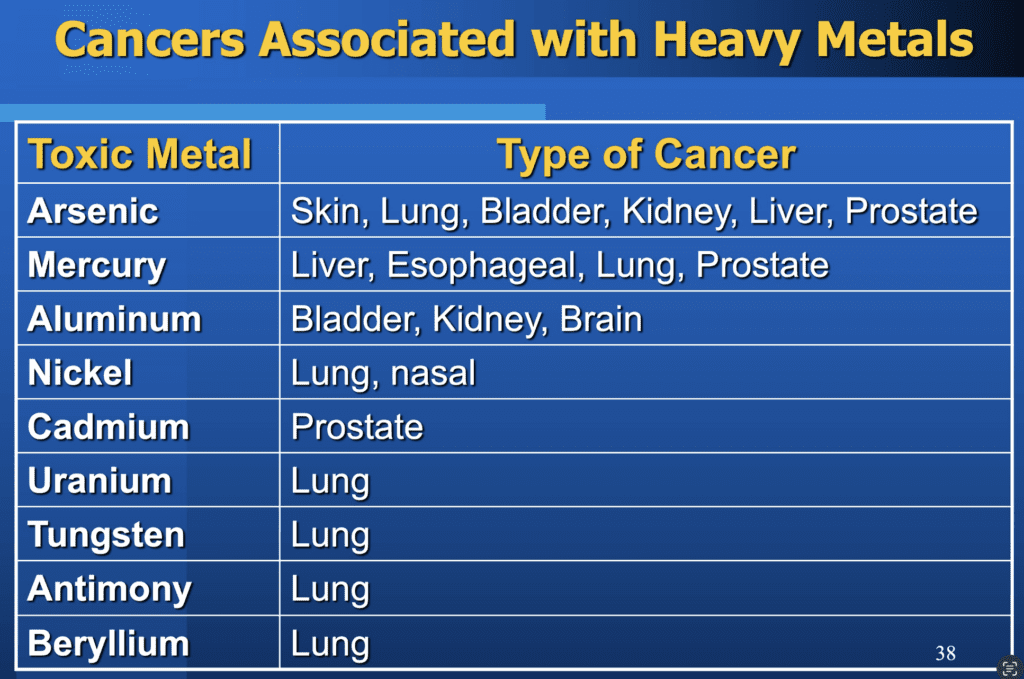
    Heavy metals and cancer risk

    These metals disrupt cellular processes, damage DNA, and impair the body’s natural defense mechanisms, making cells more susceptible to malignant transformation. Long-term exposure to heavy metals, especially in occupational settings or regions with high pollution levels, poses a significant health concern. Regular monitoring, awareness, and proactive measures to reduce heavy metal exposure are crucial in minimizing cancer risks and promoting overall well-being.

    Continuous exposure to heavy metals can be disastrous for human health and can induce a profound effect on the population. These heavy metals and many others create a need for a method that can help to remove them from the human body.

    How to reduce heavy metals in the body

    IV Chelation therapy is a highly effective, but also safe procedure that binds chelation agents to heavy metals and removes them from the body. 

    Chelation booking page

    What is chelation? 

    Chelation is the formation of a complex that sits between a ligand and a metal ion. It’s a process where an organic molecule (the ligand) would remove certain heavy metals from the human body. Apart from heavy metals, chelation can be used to bind to other molecules as well. One example includes free radicals, which are molecules in the body that cause oxidative stress and damage tissues. 

    It is a highly effective process for removing heavy metals from the body, especially when these metals are causing health-related problems. Two main types of chelation exist, each with its own benefits and limitations. 

    Intravenous (IV) chelation therapy injects a chelating agent into the patient’s body. The chelation agents then bind to the heavy metals in an attempt to remove them. Gastrointestinal (GI) chelation is also used, in which the chelation agent is ingested in the form of a pill or rectal suppository. 

    Overall, chelation therapy is considered safe and very effective. It is an ideal therapeutic process to address acute heavy metal poisoning as well as remove chronic levels of heavy metals when there are concerns about health problems. 

    Woman seeking mental health information about ketamine facts

    Why do we need chelation therapy?

    Because they are not excreted naturally and accumulate with time in soft tissues and bones, toxic metals can cause a number of health problems even at low levels, including cognitive issues. The most common toxic metals include lead, mercury, arsenic, cadmium, nickel, and aluminum. These metals can lead to cell membrane damage, increase oxidative stress, and promote the production of free radicals in the human body. Lead is shown to cause hypertension by inactivating nitric oxide, creating oxygen radicals, and its effects on vascular smooth muscle. Furthermore, the absorbed metal traces combine with other reactive toxins from the environment, food, and water to increase AGEs (advanced glycation endproducts) — potent inflammatory proteins connected with acute and chronic autoimmune diseases such as Alzheimer’s disease and diabetes.

    Toxic metals are nearly ubiquitous in our contemporary world and are found seemingly everywhere. For example, on any given day a person may absorb metals into their body from inhaling leaded gasoline exhaust over a lifetime, using cadmium-enriched beauty products, or even drinking from public water systems. Heavy metals are found in high fructose corn syrup, air pollution, industrial exhaust, and more. Occupational exposures to metals also carry negative health consequences for those in associated industries.

    These absorbed or inhaled toxins have the potential to wreak havoc on the body by increasing oxidative stress, harming organs and tissues, and increasing the risk of developing cardiovascular disease among other illnesses. While the environmental pollution of metals has exacted a toll on the health of those exposed to them, novel medical interventions — such as chelation therapy — resolve the toxicity through a delicate removal process led by the experts at ViveWell.

    Toxic metal removal with chelation therapy

    In chelation therapy, special chemicals that bind with minerals (known as chelators) are delivered into your bloodstream, typically starting with intravenous therapy but also using oral medications. These chelators attach to toxic metals in the body, allowing them to finally be removed and excreted.

    Before beginning IV chelation therapy, we consider your symptoms, history of exposures, and offer blood metal level screening to evaluate the level of metals in your body. Unfortunately, most metals become packed away in the bone or other organs, so it’s difficult to know exactly how much “reservoir” of toxin your body has accumulated. 

    Some of the common metals found in these screenings include aluminum, barium, arsenic, cadmium, mercury, and lead. Remember that accumulation of these toxic metals can lead to systemic inflammation and is linked to a number of metabolic disorders, cardiovascular disease, arthritic conditions, and neurological disorders (Parkinson’s Disease, Alzheimer’s disease, etc.) We safely remove this accumulation of toxic metals over a series of treatments to bring your body’s systems to a healthy place with gentle but persistent therapy. 

    During your IV chelation therapy, our team will monitor the levels of metals in the blood carefully using pre- and post-treatment testing. We offer IV chelation therapy with EDTA or DMPS to help remove the metal burden to lower levels, making treatment continuation decisions pending on how each patient is responding.

    Benefits of Chelation Therapy at ViveWell

    • Reduces oxidative stress on the body
    • Effectively removes toxic metals 
    • Reduces risk for cardiovascular disease
    • Restores distribution of essential minerals, and nutritional metallic elements
    • Relieves symptoms of fatigue, anxiety, and/or depression
    • Improved libido, erectile function, and prostate conditions
    • Improved energy and endurance
    • Enhanced overall quality of life

    We offer IV chelation therapy with EDTA and DMPS, and oral chelation with DMSA and DMPS to help remove the patient’s toxic metal burden. Meet with your ViveWell provider to discuss what treatment plan is right for you. 

    Blood levels reflect acute exposure to mercury, cadmium, arsenic, and others. Lead is stored in the bone and is released with bone turnover in middle age, which is why thyroid and hormone optimization is so important to keep the lead in your bone. This secondary reexposure causes continued worsening.

    Oftentimes there are hidden metals not routinely screened for in blood that are released in the urine after chelation.

    In comparison, the Urine Toxic Metals Test is commonly employed to assess the presence of harmful substances and the loss of essential nutrients in the body. Furthermore, by comparing the concentrations of urine toxic metals before and after using a chelator, it’s possible to estimate the overall accumulation, net retention, of potentially toxic elements. Subsequent urine element analyses, performed after administering a chelator, are valuable for monitoring the effectiveness of metal detoxification treatment. 

    Discover Booking

    How Chelation Therapy works

    The first step is to choose the right chelation agent to use during the therapy. IV infusions are an effective way to ensure optimal absorption and maximum availability of chelation agents. Oral dosing of chelators allows patients to have continued results with convenience.

    The therapy itself is performed in a professional setting and can last for a couple of hours, depending on the severity of heavy metal accumulation. A series of IV infusions may also be given during this time. A preliminary test will help the administrator to determine the right chelation agent to use and the number of IV infusions that are necessary. The concentration of the chelation agent also needs to be determined prior to the IV infusions.

    EDTA
    Ethylenediaminetetraacetic acid (EDTA) is commonly used for IV chelation therapy. EDTA is a versatile chelator that primarily targets and chelates divalent cations, such as calcium, lead, and other heavy metals — with a particular affinity for lead and is FDA-approved. It forms stable complexes with these metals which are then excreted in urine.

    DMPS
    DMPS is a versatile chelation agent with a unique molecular structure that enables it to chelate a wide range of heavy metals, including mercury, lead, cadmium, and arsenic. This agent has the remarkable capacity to penetrate cellular membranes, allowing it to access intracellular compartments where heavy metals often accumulate. It comes in both IV and oral capsules, so we have flexibility in its use.

    By binding to heavy metals, DMPS forms stable complexes known as chelates, which are then eliminated from the body through organs like the kidneys and liver. DMPS not only removes toxic heavy metals but also restores cellular functions and exhibits antioxidant properties. This makes DMPS an effective tool in treating heavy metal poisoning and addressing chronic health conditions associated with heavy metal accumulation. DMPS unlocks the body’s innate detoxification potential, promoting overall well-being.

    DMSA
    DMSA is an oral chelating agent that primarily acts as a water-soluble chelator, meaning it forms stable complexes with heavy metals that are soluble in water. It has a greater affinity for lead and is often used in the treatment of lead poisoning. Additionally, DMSA binds cadmium and has some mercury effectiveness. DMSA can penetrate cellular membranes, accessing intracellular compartments where heavy metals tend to accumulate. It promotes the elimination of heavy metals through urine and feces, restoring cellular functions impaired by their presence. Additionally, DMSA exhibits antioxidant properties, aiding in reducing oxidative stress associated with heavy metal toxicity.

    Possible reactions to chelation agents

    Although we’re committed to a gentle process of removing toxins from the body, some people can experience adverse reactions, often mild. We make sure to administer these medications slowly to avoid unwanted dizziness, weakness, palpitations or temporary low blood pressure.

    Nausea, vomiting and diarrhea, a metallic taste in the mouth, or an odor in body excretions can occur. For this, we recommend peppermint/ginger tea and peppermint tablets to alleviate the symptoms.

    Although rare, some patients can experience itching or rashes, similar to an allergic skin reaction. This can be treated with B12 injections, which is a standard addition to our IV chelations.

    Lastly, it’s important to closely monitor liver and kidney function through routine, inexpensive blood work, typically drawn every 6-8 weeks, or as necessary.

    ViveWell Chelation Therapy options

    1. IV Chelation session – we have a standard 1500 mg Calcium (or disodium) EDTA chelation infusion in the office — . However, to make it more convenient, patients can elect to add 1500mg of EDTA to most infusion options. Or they can maximize their IV chelation procedure with up to an additional 1500 mg of EDTA, but it adds time to the infusion process.
    2. Oral Chelation in between IV sessions (prescription from ViveWell Provider)
    3. Chezone — Ozone major autohemotherapy (MAH, ozone therapy) and chelation. In this procedure, the patient receives MAH and afterward an infusion of EDTA, possibly DMPS, and other nutrients to chelate them. Learn more about Chezone at ViveWell.
    4. IV nutrient replacement afterward or choose to take supplements at home.
      1. Myers Cocktail
      2. Add high dose vitamin C, (must have G6PD to add more than 25g)

    How to maximize chelation results? 

     Recommended for all chelation treatments. Our supplement protocol:

    • Vitamin C | 3,000 – 12,000 mg daily
    • Multi-vitamin
    • N-acetyl-cysteine (NAC) | 600 mg once or twice daily
    • Whey Protein Powder | 2 tablespoons daily
    • Fiber (RBF/Psyllium) | 3-7 caps at night with water
    • Hydrochloric acid (Betaine HCL) with meals
    • Urine alkalinizing support (potassium bicarbonate or potassium citrate) see Shop
    • In between chelation cycles – consider additional minerals and trace elements. Extra magnesium (either glycinate, maleate, or threonate) is generally needed.
    • Probiotics
    • Sauna, hot bath, or exercise to speed up detoxification through your body’s largest organ — the skin.
    Feel better infusion

    Conclusion

    IV chelation therapy offers a safe way to treat problems like heavy metal poisoning and reduces the impact that these molecules have on the human body. It’s a relatively simple treatment procedure that allows a chelation agent to bind to heavy metals, ultimately removing them through urine. In addition to IV chelation therapy, a combination of additional therapeutic approaches can be taken to further enhance the result that the patient can experience.

    References

    1. Rai, G. K., Bhat, B. A., Mushtaq, M., Tariq, L., Rai, P. K., Basu, U., … & Bhat, J. A. (2021). Insights into decontamination of soils by phytoremediation: A detailed account on heavy metal toxicity and mitigation strategies. Physiologia Plantarum, 173(1), 287-304. Retrieved from https://pubmed.ncbi.nlm.nih.gov/33864701/
    2. Hollingsworth, A., & Rudik, I. (2021). The effect of leaded gasoline on elderly mortality: Evidence from regulatory exemptions. American Economic Journal: Economic Policy, 13(3), 345-73. Retrieved from https://www.aeaweb.org/articles?id=10.1257/pol.20190654
    3. Chen, L., Liang, S., Liu, M., Yi, Y., Mi, Z., Zhang, Y., … & Yang, Z. (2019). Trans-provincial health impacts of atmospheric mercury emissions in China. Nature Communications, 10(1), 1484. Retrieved from https://www.nature.com/articles/s41467-019-09080-6#:~:text=China%20is%20the%20largest%20Hg,decades28%2C29%2C30.
    4. Wood, S. China’s mercury flushes into Oregon’s rivers.(2008). The Oregonian.Retrieved from https://www.oregonlive.com/environment/2008/04/chinas_mercury_flushes_into_or.html
    5. Nong, Q., Dong, H., Liu, Y., Liu, L., He, B., Huang, Y., … & Hu, L. (2021). Characterization of the mercury-binding proteins in tuna and salmon sashimi: Implications for health risk of mercury in food. Chemosphere, 263, 128110. Retrieved from https://www.sciencedirect.com/science/article/abs/pii/S0045653520323055
    6. Briffa, J., Sinagra, E., & Blundell, R. (2020). Heavy metal pollution in the environment and their toxicological effects on humans. Heliyon, 6(9), e04691. Retrieved from https://www.sciencedirect.com/science/article/pii/S2405844020315346
    7. Ouyang, L., Li, Q., Rao, S., Su, R., Zhu, Y., Du, G., … & Fan, G. (2023). Cognitive outcomes caused by low-level lead, cadmium, and mercury mixture exposure at distinct phases of brain development. Food and Chemical Toxicology, 175, 113707. Retrieved from https://pubmed.ncbi.nlm.nih.gov/36893892/
    8. Valko, M. M. H. C. M., Morris, H., & Cronin, M. T. D. (2005). Metals, toxicity and oxidative stress. Current Medicinal Chemistry, 12(10), 1161-1208.Retrieved from https://www.ingentaconnect.com/content/ben/cmc/2005/00000012/00000010/art00003
    9. Karapetyan, G., Fereshetyan, K., Harutyunyan, H., & Yenkoyan, K. (2022). The synergy of β amyloid 1-42 and oxidative stress in the development of Alzheimer’s disease-like neurodegeneration of hippocampal cells. Scientific Reports, 12(1), 17883. Retrieved from https://www.nature.com/articles/s41598-022-22761-5
    10. Goh, S. Y., & Cooper, M. E. (2008). The role of advanced glycation end products in progression and complications of diabetes. The Journal of Clinical Endocrinology & Metabolism, 93(4), 1143-1152. Retrieved from https://academic.oup.com/jcem/article/93/4/1143/2826132
    11. Parker, K., Salas, M., & Nwosu, V. C. (2010). High fructose corn syrup: production, uses and public health concerns. Biotechnology &l Molecular Biology Review, 5(5), 71-78. Retrieved from https://academicjournals.org/article/article1380113250_Parker%20et%20al.pdfhost%26scope%3dsite%26authtype%3dcrawler%26jrnl%3d09757619%26AN%3d134257003
    12. Hengstler, J. G., Bolm-Audorff, U., Faldum, A., Janssen, K., Reifenrath, M., Götte, W., … & Oesch, F. (2003). Occupational exposure to heavy metals: DNA damage induction and DNA repair inhibition prove co-exposures to cadmium, cobalt and lead as more dangerous than hitherto expected. Carcinogenesis, 24(1), 63-73. Retrieved from https://academic.oup.com/carcin/article/24/1/63/2608351
    13. Alissa, E. M., & Ferns, G. A. (2011). Heavy metal poisoning and cardiovascular disease. Journal of Toxicology, 2011  Retrieved from https://pubmed.ncbi.nlm.nih.gov/21912545/
    14. Lamas, G. A., Anstrom, K. J., Navas-Acien, A., Boineau, R., Kim, H., Rosenberg, Y., … & TACT2 Investigators. (2022). The Trial to Assess Chelation Therapy 2 (TACT2): Rationale and Design. American Heart Journal. Retrieved from https://www.sciencedirect.com/science/article/pii/S0002870322001053
    15. Lamas, Gervasio A., et al. “Design of the trial to assess chelation therapy (TACT).” American Heart Journal 163.1 (2012): 7-12. Retrieved from https://www.ncbi.nlm.nih.gov/pmc/articles/PMC3243954/?_escaped_fragment_=po=31.2500
    16. Ravalli, F., Vela Parada, X., Ujueta, F., Pinotti, R., Anstrom, K. J., Lamas, G. A., & Navas‐Acien, A. (2022). Chelation therapy in patients with cardiovascular disease: a systematic review. Journal of the American Heart Association, 11(6), e024648. Retrieved from https://www.ahajournals.org/doi/pdf/10.1161/JAHA.121.024648
    17. Lamas, G. A., Navas-Acien, A., Mark, D. B., & Lee, K. L. (2016). Heavy metals, cardiovascular disease, and the unexpected benefits of chelation therapy. Journal of the American College of Cardiology, 67(20), 2411-2418. Retrieved from Heavy Metals, Cardiovascular Disease, and the Unexpected Benefits of Chelation Therapy | Journal of the American College of Cardiology (jacc.org)
    18. Pamphlett, R., & Kum Jew, S. (2019). Mercury is taken up selectively by cells involved in joint, bone, and connective tissue disorders. Frontiers in Medicine, 6, 168. Retrieved from https://www.ncbi.nlm.nih.gov/pmc/articles/PMC6659129/
    19. Vaziri ND, “Lead induced Hypertension: Role of Oxidative Stress, Curr Hypertens Rep. 2004 Aug;6(4):314-20
    20. De Visé, D. (2022, November 3). The Hill. The Hill. https://thehill.com/changing-america/sustainability/3716345-how-nascars-switch-to-unleaded-gas-boosted-test-scores-near-racetracks/