ViveWell Health has offered platelet-rich plasma therapy, commonly known as PRP, to those searching for a regenerative treatment that supports healing without surgery. PRP is one of the most trusted options in regenerative medicine because it uses your body’s own platelets to support tissue repair, reduce inflammation, and promote recovery. Now enter TruDOSE PRP Therapy.
For years, ViveWell has used several forms of advanced PRP, and we are now proud to offer TruDOSE Regenerative Platelet Therapy, an advanced and more personalized approach to platelet therapy. Unlike traditional PRP protocols that often have varying outcomes from person to person, TruDOSE Platelet Therapy uses a precision-based process to deliver a platelet-rich plasma dose tailored to your unique biology.
What Is TruDOSE?
TruDOSE is an advanced form of platelet therapy designed to provide a consistent results through personalized platelet concentration. It begins by measuring your baseline platelet count and a calculation for optimized concentration specifically for the treatment goal in your body.
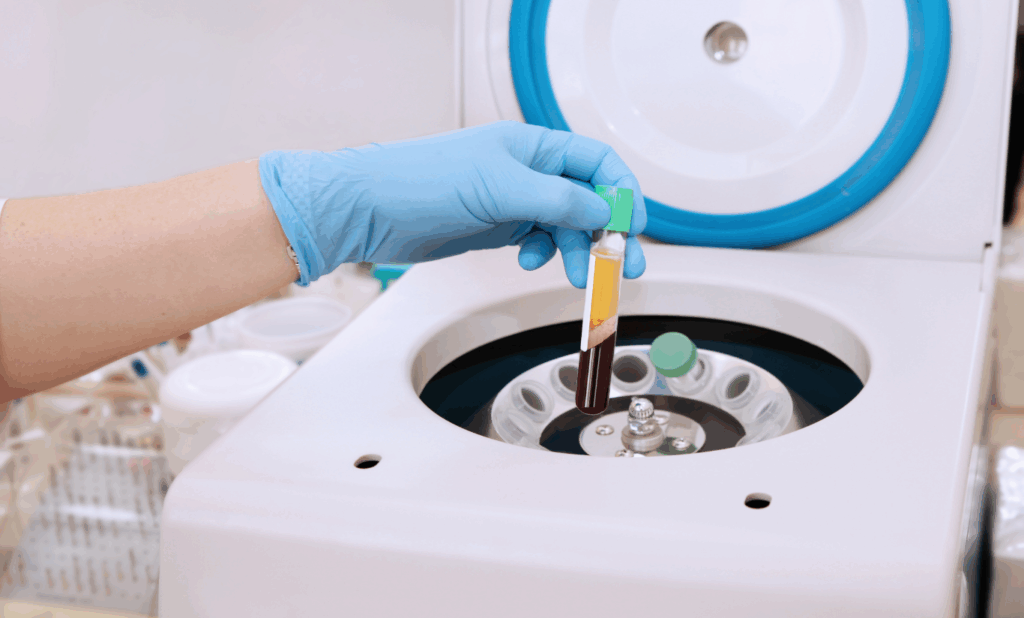
Any platelet therapy begins with a blood draw. The sample is processed to concentrate platelets, which contain growth factors and signaling proteins crucial for tissue regeneration and inflammation control. TruDOSE PRP builds on this natural healing process by making it more accurate and targeted.
TruDOSE PRP at ViveWell Health is integrated into our whole-person care model that supports recovery and long-term wellness, not just temporary relief.
Why Traditional PRP Therapy Has Inconsistent Results Without Precision Dosing
Many patients are interested in PRP because it’s natural and minimally invasive. But one common challenge with traditional PRP is that results can vary. Two people can receive PRP therapy for similar concerns and experience very different outcomes.
Of the many reasons for outcome differences between individuals, things like inflammation, medication use and overall health from lifestyle choices can affect the regenerative potential of the blood. A very important factor that is often unmeasured on the treatment day is platelet concentration. When ViveWell Health’s providers choose to use platelet therapy, with the patient’s unique biology in mind, we have more consistent dosing and predictable results.
TruDOSE PRP therapy reduces variability. Instead of using a generic PRP preparation, TruDOSE technology measures your data to determine the personalized dose.
For patients who want advanced, clinical, and consistent regenerative therapy, ViveWell Health offers TruDOSE.
How TruDOSE PRP Works at ViveWell Health
TruDOSE Regenerative Therapy is built around precision. Every step is designed to tailor the platelet concentration to your body, rather than using a standard protocol.
Test Your provider collects a small blood sample to evaluate platelet count and key biomarkers.
Calculate TruDOSE technology determines your ideal platelet concentration based on your unique data.
Prepare Your platelets are concentrated and prepared to match the calculated target, creating a personalized TruDOSE PRP dose.
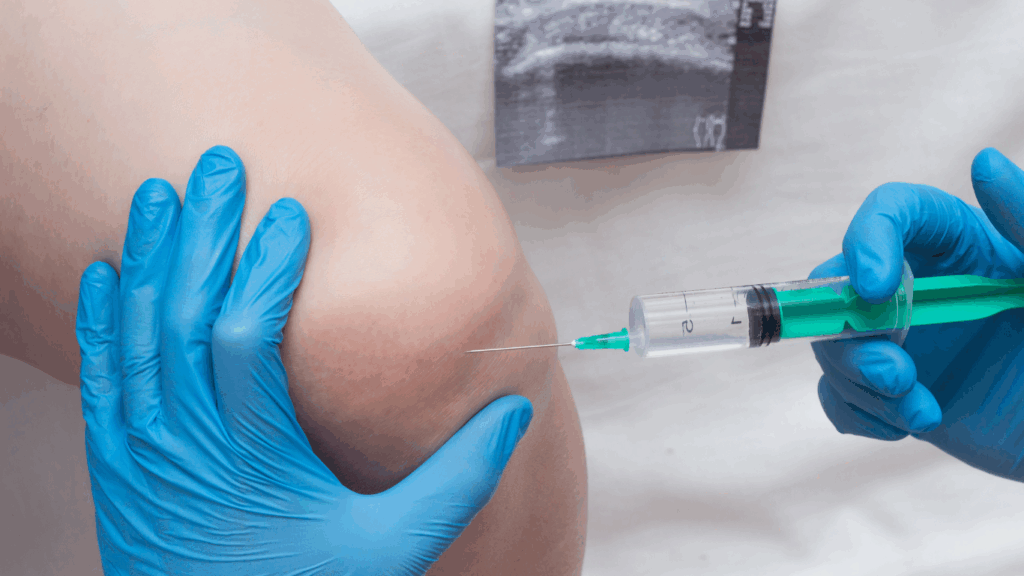
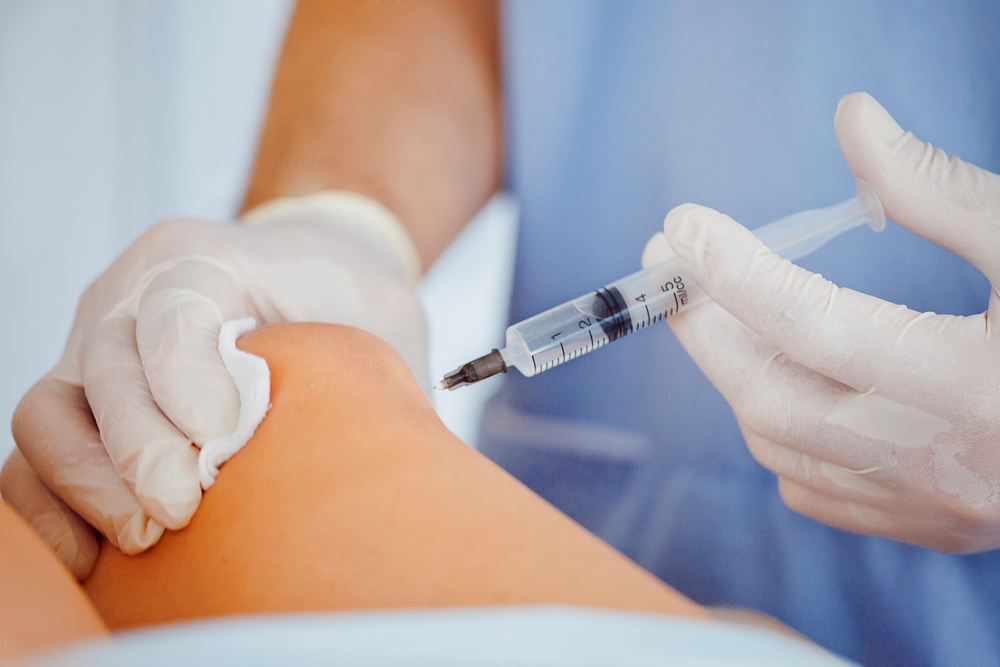
Deliver Your TruDOSE PRP is administered using a minimally invasive technique based on your needs and treatment plan.
This structured process removes the guesswork and supports more consistent PRP preparation and delivery.
What does TruDOSE Platelet Therapy helps with?
Patients use TruDOSE Regenerative Therapy for a wide range of goals, especially when inflammation or slow healing is limiting their quality of life. While results vary, ViveWell Health uses TruDOSE platelet therapy to:
Achieve deep whole-body healing
Resolve pain and inflammation
Alleviate chronic conditions
Reset unbalanced immune function
Perform as a surgical alternative
Optimize surgical outcomes
Because TruDOSE PRP is personalized and consistently calibrated, it may be a strong option for people who want more reliable regenerative support.
Benefits of TruDOSE Platelet Therapy vs Traditional PRP
Platelet therapy can be powerful because it harnesses your body’s natural healing capabilities. TruDOSE platelet therapy enhances traditional PRP by delivering a personalized platelet concentration designed to optimize your healing response.
Key benefits include:
Uses your own platelets to support natural healing
Personalized dosing based on your lab results
More consistent platelet concentration than standard PRP
Designed to reduce inflammation associated with pain and slow healing
Supports long-term tissue repair instead of masking symptoms
Minimally invasive with little to no downtime
Data-driven approach for patients who value precision
Easily integrated into a holistic health plan
At ViveWell Health, we help patients heal. TruDOSE PRP therapy is one of the newest, advanced regenerative tools we use to support deeper, more meaningful healing.
What to Expect During a TruDOSE Platelet Therapy Appointment
A typical TruDOSE appointment lasts about 50–60 minutes and may include:
Brief biometric testing or a lab sample
Precision-based TruDOSE platelet preparation
Administration of your personalized TruDOSE platelet therapy dose
Aftercare guidance and short observation for comfort
Many patients notice improvements—such as easier movement, more energy, or better sleep—within days. Others experience gradual improvement as the body progresses through healing and regeneration.
Your provider will explain what to expect based on your goals and treatment plan.
Why ViveWell Health Offers TruDOSE
At ViveWell Health, regenerative therapy is about more than symptom relief. We take a whole-person approach supported by advanced diagnostics, functional medicine, and personalized treatment planning.
We offer TruDOSE because it aligns with our philosophy: precision, personalization, and long-term results. Instead of relying on generic protocols, TruDOSE PRP therapy supports a more targeted and intentional healing process—helping patients reduce inflammation, recover more effectively, and support true tissue repair.
Whether you’re dealing with chronic pain, stalled recovery, or persistent inflammation, TruDOSE PRP is an important step toward lasting improvement.
Is TruDOSE Platelet Therapy Right for You?
You are a strong candidate for TruDOSE if you:
Want regenerative healing without surgery
Have unresolved pain or inflammation
Feel stuck in your recovery
Prefer a data-driven, personalized approach
Want long-term tissue repair rather than short-term relief
Prefer a therapy that uses your own biology
At ViveWell Health, we help determine whether TruDOSE is the right fit through a comprehensive evaluation and customized care plan.e
TruDOSE at ViveWell: A Smarter Way to Support Healing
Platelet therapy has helped countless people recover more effectively and reduce inflammation. TruDOSE technology delivers a personalized, data-driven platelet concentration designed to support more consistent healing and regenerative outcomes.
If you’re ready to discover whether TruDOSE platelet therapy can help you feel stronger, move better, and achieve long-term healing, the team at ViveWell Health is here to guide your next step.
When exploring the future of healthcare, especially regenerative therapies, one tiny powerhouse keeps coming up: exosomes. But what are exosomes, and why are they attracting so much attention in fields like integrative health, neurology, orthopedics, and even cosmetic medicine? Let’s break it down in simple, clear language.
What Are Exosomes?
Exosomes are tiny, bubble-like particles naturally released by nearly all cells in the body. They range from 30 to 150 nanometers in size and are found in bodily fluids like blood, saliva, and cerebrospinal fluid (Miron & Zhang, 2024). Think of them as tiny messengers — they carry important cargo like proteins, lipids, and genetic material (such as RNA) from one cell to another, helping cells “talk” and coordinate healing processes.
Rather than being a random byproduct, exosomes are purposefully packed with materials that influence how other cells behave. They can stimulate tissue repair, calm inflammation, or even protect nerve cells (Miron et al., 2024). Because of this, exosomes are now being studied intensively as natural agents for regenerative therapies.
What Is Exosome Therapy?
Now that we know what exosomes are, what is exosome therapy and how does it work? Exosome therapy is an innovative therapy that uses purified exosomes to promote healing and regeneration in the body. Unlike traditional stem cell therapy, which involves transplanting living cells, exosome therapy focuses on the secreted products of stem cells. This approach offers many advantages:
Cell-free and safer: Exosome injections bypass the potential complications associated with introducing whole cells into the body (Miron & Zhang, 2024).
Highly targeted: Exosomes naturally seek out damaged or inflamed tissues and deliver healing messages directly where needed.
Low risk of rejection: Because exosomes have low immunogenicity, they are unlikely to provoke immune system attacks (Miron et al., 2024).
At ViveWell Health, exosome therapy is used in regenerative medicine programs to help support faster recovery, reduce inflammation, and optimize health outcomes.
How Exosome Injections Work
In an exosome injection, a highly concentrated solution of exosomes—often derived from mesenchymal stem cells (MSCs)—is introduced into the body via an IV infusion, localized injection, or intranasal delivery. Once inside, these exosomes:
Promote cell growth and tissue repair
Reduce systemic inflammation
Stimulate collagen and elastin production
Support nerve regeneration
Enhance immune function
Research has shown that exosome injections can deliver results across a wide range of conditions, from joint injuries and neurological disorders to aesthetic rejuvenation (Liang et al., 2020).
What Are the Benefits of Exosome Therapy?
Some of the exciting potential benefits of exosome therapy include:
Tissue Repair: Exosomes stimulate new cell growth and can help repair damaged muscles, joints, and even brain tissue.
Reduced Inflammation: Exosomes help regulate the immune system and decrease chronic inflammation, which is a root cause of many diseases.
Neurological Support: Because exosomes can cross the blood-brain barrier, they offer promising applications for supporting brain health and treating neuroinflammatory conditions like traumatic brain injuries or even autism spectrum disorder (Liang et al., 2020; Alessio et al., 2020).
Anti-Aging and Skin Rejuvenation: In cosmetic medicine, exosome injections are being explored for improving skin elasticity, tone, and healing after aesthetic procedures.
Why Exosomes Are a Breakthrough in Regenerative Medicine
Stem cell therapies have long been celebrated for their healing potential, but more recent studies suggest that exosomes are often the real stars behind stem cell therapies’ benefits. Research shows that many of the regenerative effects previously attributed to stem cells are actually due to the exosomes they secrete (Miron et al., 2024).
By isolating and concentrating these powerful vesicles, exosome therapy captures the best part of stem cell therapy—without the risks associated with cellular therapies.
The Future of Exosome Therapy
The field of exosome research is exploding, with over 5,000 new scientific publications per year (Miron et al., 2024). As more is learned about their incredible healing potential, exosome-based therapies are being developed for a wide range of conditions, including:
Neurodegenerative diseases (like Alzheimer’s and Parkinson’s)
Autoimmune disorders
Sports injuries
Chronic inflammation
Cosmetic rejuvenation
Cardiovascular repair
At ViveWell Health, we are proud to offer cutting-edge exosome therapy as part of our commitment to helping you restore, regenerate, and thrive.
References
Alessio, N., Brigida, A. L., Peluso, G., Antonucci, N., Galderisi, U., & Siniscalco, D. (2020). Stem cell-derived exosomes in autism spectrum disorder. International Journal of Environmental Research and Public Health, 17(3), 944. https://pubmed.ncbi.nlm.nih.gov/32033002/
Liang, Y., Duan, L., Xu, X., Li, X., Liu, M., Chen, H., Lu, J., & Xia, J. (2020). Mesenchymal stem cell-derived exosomes for treatment of autism spectrum disorder. ACS Applied Bio Materials, 3(9), 6384–6393. https://pubmed.ncbi.nlm.nih.gov/35021769/
Miron, R. J., & Zhang, Y. (2024). Understanding exosomes: Part 1—Characterization, quantification and isolation techniques. Periodontology 2000, 94(1), 231–256. https://pubmed.ncbi.nlm.nih.gov/37740431/
Miron, R. J., Estrin, N. E., Sculean, A., & Zhang, Y. (2024). Understanding exosomes: Part 2—Emerging leaders in regenerative medicine. Periodontology 2000, 94(1), 257–414. https://pubmed.ncbi.nlm.nih.gov/38591622/
What is stem cell tourism? As healthcare costs continue to climb worldwide, many patients are turning to medical tourism for innovative therapies like stem cell therapy and exosome therapy. These are highly sought after as potential remedies for chronic pain, injuries, degenerative diseases, traumatic brain injury, neurodegenerative illness , and other ailments. Yet, for many, finding safe, effective, and affordable stem cell therapy remains a challenge—until now.
ViveWell Health is excited to be at the forefront of this shift. Because of our secure partnerships with premier U.S. umbilical cord stem cell processing labs, we’re able to offer patients access to large doses of mesenchymal stem cells (MSC’s), hematopoietic stem cells (HSC’s) and exosomes at prices that are more affordable than international options. For patients exploring stem cell or exosome tourism, this is a unique opportunity to receive high-quality care within the United States.
Expanded Access: Partnering with Top U.S. Research Facilities
By partnering with leading U.S. medical research labs specializing in umbilical HSC and MSC stem cell processing, ViveWell Health brings access to much larger doses of HSC’s and MSCs at significantly reduced prices. We maintain unmatched quality and safety right here in the U.S. (Yamada, Behfar, & Terzic, 2021), while eliminating many of the concerns typically associated with medical tourism abroad, such as varying regulations and standards (Al-Shammary & Hassan, 2023).
Our relationship with a FDA-approved HSC processing facility further ensures safety and efficacy, setting us apart in the field of affordable exosomes and stem cell therapy (U.S. Food and Drug Administration, 2022).
Affordable Exosome and Stem Cell Therapy: Now Within Reach
We offer 40 million MSC’s for just $5,000—a dramatic reduction from our previous rates of $4,000 for 5 million MSCs and $5,500 for 10 million MSCs.
We offer 30 million HSC’s for just $5,000— a previously unavailable therapy for autoimmune and inflammatory conditions.
Exosomes vs Stem Cells: A Synergistic Approach to Regenerative Health
For patients considering which option to pursue, it’s important to understand the difference between exosomes and stem cells. HSC’s, or hematopoietic stem cells, can decrease inflammation and rejuvenate autoimmune conditions. MSCs, or mesenchymal stem cells, help regenerate and repair tissues, acting as the foundation for healing. Exosomes, in turn, are powerful signalers that direct this healing, ensuring the healing message reaches the damaged areas more effectively (Phinney & Pittenger, 2017). Together, they form a potent combination in regenerative medicine, offering a customizable approach to meet specific patient needs.
Choosing ViveWell Health for Affordable Stem Cell and Exosome Therapy
At ViveWell Health, our goal is simple: to bring the incredible potential of stem cell and exosome therapy to as many patients as possible. Through our partnerships and updated pricing structure, we’re excited to make this a reality for patients who previously considered medical tourism abroad.
Located in beautiful Colorado, our clinics offer affordability and the highest standards of care. For patients considering exosome or stem cell tourism, we provide a safe, cost-effective alternative that eliminates the need to travel abroad, helping you prioritize both health and peace of mind.
If you’re exploring options for chronic ailments, pain management, or overall wellness, contact ViveWell Health to learn more about how our affordable stem cell and exosome therapies support your health journey.
References
Al-Shammary, A. A., & Hassan, S. U. N. (2023, March 31). Medical professionals’ knowledge, sensitivity, and attitudes towards social and ethical aspects of stem-cell donation, therapy, and research: Implications for healthcare risk management. U.S. National Library of Medicine. https://pmc.ncbi.nlm.nih.gov/articles/PMC10072147/
Brown, C., McKee, C., Bakshi, S., Walker, K., Hakman, E., Halassy, S., Svinarich, D., Dodds, R., Govind, C. K., & Chaudhry, G. R. (2021, July 25). Mesenchymal stem cells: Cell therapy and regeneration potential. U.S. National Library of Medicine. https://pubmed.ncbi.nlm.nih.gov/31216380/
Phinney, D. G., & Pittenger, M. F. (2017, April 17). Concise review: MSC-derived exosomes for cell-free therapy. U.S. National Library of Medicine. https://pubmed.ncbi.nlm.nih.gov/28294454/
Regulation of HCT/PS – Small Entity Compliance Guide. U.S. Food and Drug Administration. (2022, November 1). https://www.fda.gov/regulatory-information/search-fda-guidance-documents/regulation-human-cells-tissues-and-cellular-and-tissue-based-products-hctps-small-entity-compliance
Yamada, S., Behfar, A., & Terzic, A. (2021, February 24). Regenerative Medicine Clinical Readiness. U.S. National Library of Medicine. https://pmc.ncbi.nlm.nih.gov/articles/PMC8050983/
You, J., Fu, Z., & Zou, L. (2021, October 26). Mechanism and potential of extracellular vesicles derived from mesenchymal stem cells for the treatment of infectious diseases. U.S. National Library of Medicine. https://pmc.ncbi.nlm.nih.gov/articles/PMC8576143/
Stem cell therapy has emerged as a groundbreaking treatment in the field of regenerative medicine, offering the potential to address a wide array of medical conditions. By harnessing the body’s ability to regenerate and repair tissues, stem cells hold promise for treating autoimmune diseases, orthopedic injuries, neurodegenerative disorders, and more. This article explores the diverse applications and stem cell therapy benefits, supported by the latest stem cell research advancements.
Hematopoietic Stem Cells and Autoimmune Diseases
Hematopoietic stem cells have been traditionally used to treat blood-related disorders, but its application in autoimmune diseases is now gaining attention. According to Alaez et al. (2006), hematopoietic stem cell therapy can “reset” the immune system by replacing defective immune cells with healthy ones. This technique has shown great promise in treating conditions such as multiple sclerosis and systemic lupus erythematosus.
In their review, Alexander et al. (2021) emphasized the transformative potential of hematopoietic stem cell therapy in managing autoimmune diseases, especially for patients who do not respond to traditional therapies. The immunomodulatory properties of these stem cells allow for long-term remission. Ben Nasr et al. (2016) further underscored that hematopoietic stem cells can reduce inflammation and promote tissue regeneration, making them an attractive option for patients with autoimmune diseases such as Crohn’s disease and rheumatoid arthritis.
Van Laar and Tyndall (2006) also explored how stem cell research advancements in adult stem cells contribute to treating autoimmune diseases. Their findings support the view that hematopoietic stem cells can effectively modulate immune responses, offering patients a pathway to remission in diseases like systemic sclerosis and lupus.
Mesenchymal Stem Cells for Pain Management and Orthopedic Therapies
Mesenchymal stem cells are highly versatile and has been studied for its ability to treat conditions like joint degeneration and injuries. MSCs have shown promise in addressing stem cell treatment for pain in orthopedic conditions. Hevesi et al. (2019) explored the use of MSCs in ligament repair, finding that these cells significantly enhance tissue regeneration, offering relief for joint and ligament pain caused by injury. Similarly, Gulotta et al. (2011) noted that MSC-based therapies could augment tendon repair, improving recovery and reducing chronic pain.
In addition to pain relief in orthopedic settings, MSCs have also shown potential in treating chronic lung diseases like pulmonary fibrosis. Cheng et al. (2022) highlighted how MSCs can reduce lung inflammation and fibrosis, leading to improved pulmonary function. This showcases the broad application of stem cell therapy benefits beyond pain management and into chronic disease treatments.
Stem Cells for Anti-Aging and Skin Regeneration
Stem cell therapy benefits extend beyond disease treatment; it is also being explored in anti-aging medicine. Godic (2019) discussed the use of MSCs to reduce inflammation and regenerate aging tissues. By targeting oxidative stress and cellular damage, MSCs can slow aging and improve skin vitality, making stem cell therapy a growing trend in regenerative medicine.
Gonzalez et al. (2015) further emphasized that stem cell therapy can reduce inflammation, a primary contributor to the aging process. In dermatology, MSCs have been studied for their potential in treating autoimmune skin conditions like psoriasis. Paganelli et al. (2020) demonstrated that MSC therapy could regulate immune responses and reduce skin inflammation, offering benefits to patients with chronic inflammatory skin conditions.he potential to revolutionize treatment protocols across multiple medical fields.
MSC Therapy for Pain in Rheumatoid Arthritis and Osteoarthritis
MSC-based stem cell treatment for pain is also gaining popularity in managing degenerative joint diseases like rheumatoid arthritis (RA) and osteoarthritis (OA). Hwang et al. (2021) found that MSCs could reduce joint inflammation and promote cartilage regeneration in RA and OA patients, offering long-term pain relief. By addressing the root causes of joint pain, MSC therapy offers an alternative to conventional treatments like steroid injections or surgery.
Sarsenova et al. (2021) noted that MSC therapy suppresses autoimmune-driven inflammation in RA, while Yu et al. (2015) reviewed the use of MSCs for meniscus repair, finding that MSC therapy could improve joint function and reduce pain in patients with knee injuries. These findings highlight the role of stem cell therapy in managing chronic joint pain and promoting recovery.
Pulmonary and Cardiovascular Applications of Stem Cells
MSCs have demonstrated significant potential in treating pulmonary diseases like chronic obstructive pulmonary disease (COPD) and cardiovascular complications, particularly in post-COVID-19 syndrome, also known as long COVID. Le Thi Bich et al. (2020) found that MSCs derived from umbilical cords improved lung function in COPD patients by reducing inflammation, while Vij et al. (2023) explored how MSCs helped patients with long COVID recover by reducing inflammation and promoting tissue repair.
These stem cell therapy benefits are not only limited to respiratory and cardiovascular health but extend to pain management and inflammation reduction, making stem cell therapy a versatile tool in regenerative medicine.
MSCs for Neurological Disorders and Traumatic Brain Injury
The potential of MSCs to treat neurodegenerative diseases and brain injuries is a rapidly evolving field in stem cell research advancements. Reyhani et al. (2020) demonstrated that MSCs could promote neurogenesis and protect neurons from oxidative stress in neurodegenerative conditions like Alzheimer’s and Parkinson’s disease. Schepici et al. (2020) also found that MSC therapy could reduce neural inflammation and promote regeneration of damaged brain tissue in traumatic brain injury (TBI) patients.
Stem Cells for Gastrointestinal Disorders and Autoimmune Diseases
The ability of MSCs to modulate immune responses has proven beneficial in treating inflammatory bowel diseases like Crohn’s disease and ulcerative colitis. Zhang et al. (2018) conducted a randomized clinical trial using MSCs in Crohn’s disease patients, finding that stem cell therapy reduced inflammation and improved gut health. Shi et al. (2019) similarly demonstrated MSC therapy’s effectiveness in treating ulcerative colitis, highlighting the role of stem cell therapy benefits in managing chronic gastrointestinal conditions.
Ilic et al. (2012) discussed how stem cell research advancements are opening new avenues for treating immune-mediated diseases with umbilical cord blood-derived stem cells, further extending the benefits of stem cell therapy.
Immunomodulation and Long-COVID Treatment
One of the most exciting areas of stem cell research involves the treatment of long COVID. Loke et al. (2021) examined the immunomodulatory properties of MSCs, showing how stem cell therapy can reduce systemic inflammation in patients suffering from post-viral syndromes like long COVID. This therapy has the potential to improve respiratory and overall health in patients with long-term effects from COVID-19.
Ramalingam and Shah (2021) also explored MSC-based stem cell treatment for pain and autoimmune diseases, such as lupus and multiple sclerosis, showing how stem cell therapy helps modulate both adaptive and innate immune responses, reducing autoimmune activity and pain.
ViveWell Health’s Commitment to Advancing Regenerative Medicine
Stem cell therapy continues to revolutionize regenerative medicine, offering numerous benefits across a wide range of diseases and conditions. From treating autoimmune disorders to providing pain relief in joint diseases and promoting tissue repair in chronic conditions, stem cell therapy benefits are becoming increasingly recognized. As stem cell research advancements continue, these therapies will likely become more prevalent, offering hope for patients with previously untreatable conditions.
At ViveWell Health, we are dedicated to staying at the forefront of stem cell treatment by incorporating the latest stem cell research into our practice. Our approach to regenerative medicine ensures that our patients benefit from the most innovative and personalized treatments available today. By offering care that promotes long-term health and recovery, we strive to help our patients fully realize the potential benefits of stem cell therapy.
As research into stem cells continues to advance, ViveWell Health is committed to delivering the latest and most effective therapies to our patients. We aim to empower individuals to explore the possibilities of stem cell therapy as part of their healthcare journey, providing cutting-edge treatments to enhance their quality of life and overall well-being.
References
Alaez, C., Loyola, M., Murguía, A., Flores, H., Rodríguez, A., Ovilla, R., Ignacio, G., Amador, R., Salinas, V., Perez, F., Rodríguez, D., Morales, Z., Llinguin, G., Vazquez, A., Altamirano, A., & Gorodezky, C. (2006). Hematopoietic stem cell transplantation (HSCT): An approach to autoimmunity. Autoimmunity Reviews, 5(3), 167–179. https://doi.org/10.1016/j.autrev.2005.06.003
Alexander, T., Greco, R., & Snowden, J. A. (2021). Hematopoietic Stem Cell Transplantation for Autoimmune Disease. Annual Review of Medicine, 72(1), 215–228. https://doi.org/10.1146/annurev-med-070119-115617
Ben Nasr, M., Bassi, R., Usuelli, V., Valderrama-Vasquez, A., Tezza, S., D’Addio, F., & Fiorina, P. (2016). The use of hematopoietic stem cells in autoimmune diseases. Regenerative Medicine, 11(4), 395–405. https://doi.org/10.2217/rme-2015-0057
Hevesi, M., LaPrade, M., Saris, D. B. F., & Krych, A. J. (2019, October 17). Stem cell treatment for ligament repair and Reconstruction – current reviews in Musculoskeletal Medicine. SpringerLink. https://link.springer.com/article/10.1007/s12178-019-09580-4
Gonzalez, R., Woynarowsk, D., & Geffner, L. (2015, June 14). Stem Cells Targeting Inflammation as Potential Anti-aging Strategies and Therapies. ProQuest. https://www.proquest.com/
Gulotta, L. V., Chaudhury, S., & Wiznia, D. (2011, November 29). Stem Cells for Augmenting Tendon Repair. Wiley Online Library. https://onlinelibrary.wiley.com/
Ilic, D., Miere, C., & Lazic, E. (2012). Umbilical cord blood stem cells: Clinical trials in non-hematological disorders.British Medical Bulletin, 102(1), 43–57. https://doi.org/10.1093/bmb/lds008
Le Thi Bich, P., Nguyen Thi, H., Dang Ngo Chau, H., Phan Van, T., Do, Q., Dong Khac, H., Le Van, D., Nguyen Huy, L., Mai Cong, K., Ta Ba, T., Do Minh, T., Vu Bich, N., Truong Chau, N., & Van Pham, P. (2020, February 13). Allogeneic umbilical cord-derived mesenchymal stem cell transplantation for treating chronic obstructive pulmonary disease: A pilot clinical study – stem cell research & therapy. SpringerLink. https://link.springer.com/article/10.1186/s13287-020-1583-4
Loke, X. Y., Imran, S. A. M., Tye, G. J., Wan Kamarul Zaman, W. S., & Nordin, F. (2021, November 17). Immunomodulation and regenerative capacity of mscs for long-covid. Multidisciplinary Digital Publishing Institute. https://www.mdpi.com/1422-0067/22/22/12421
Ramalingam, S., & Shah, A. (2021, March 24). Stem cell therapy as a treatment for autoimmune disease-updates in lupus, scleroderma, and multiple sclerosis – current allergy and asthma reports. SpringerLink. https://link.springer.com/article/10.1007/s11882-021-00996-y
Reyhani, S., Abbaspanah, B., & Hadi Mousavi, S. (2020, June 1). Umbilical Cord-Derived Mesenchymal Stem Cells in Neurodegenerative Disorders: From Literature to Clinical Practice. Taylor & Francis Online. https://www.tandfonline.com/doi/abs/10.2217/rme-2019-0119
Sarsenova, M., Issabekova, A., Abisheva, S., Rutskaya-Moroshan, K., Ogay, V., & Saparov, A. (2021, October 27). Mesenchymal stem cell-based therapy for rheumatoid arthritis. Multidisciplinary Digital Publishing Institute. https://www.mdpi.com/1422-0067/22/21/11592
Schepici, G., Silvestro, S., Bramanti, P., & Mazzon, E. (2020, March 19). Traumatic brain injury and Stem Cells: An overview of clinical trials, the current treatments and future therapeutic approaches. Multidisciplinary Digital Publishing Institute. https://www.mdpi.com/1648-9144/56/3/137
Shi, X., Chen, Q., & Wang, F. (2019, August 23). Mesenchymal stem cells for the treatment of ulcerative colitis: A systematic review and meta-analysis of experimental and clinical studies – stem cell research & therapy. SpringerLink. https://link.springer.com/article/10.1186/s13287-019-1336-4
Vij, R., Kim, H., Park, H., Cheng, T., Lotfi, D., & Chang, D. (2023, October 5). Adipose-derived, autologous mesenchymal stem cell therapy for patients with POST-COVID-19 syndrome: An intermediate-size expanded access program – stem cell research & therapy. SpringerLink. https://link.springer.com/article/10.1186/s13287-023-03522-1
Woo Shin, J., Ryu, S., Ham, J., Jung, K., Lee, S., Hyun Chung, D., Kang, H.-R., & Young Kim, H. (2021, August 23). Mesenchymal stem cells suppress severe asthma by directly regulating th2 cells and type 2 innate lymphoid cells. ScienceDirect. https://www.sciencedirect.com/science/article/pii/S1016847823002273
Yu, H., Adesida, A. B., & Jomha, N. M. (2015, April 30). Meniscus repair using mesenchymal stem cells – a comprehensive review – stem cell research & therapy. SpringerLink. https://link.springer.com/article/10.1186/s13287-015-0077-2Zhang, J., Lv, S., Liu, X., Song, B., & Shi, L. (2018, January 15). Umbilical cord mesenchymal stem cell treatment for crohn’s disease: A randomized controlled clinical trial. National Library of Medicine. https://www.ncbi.nlm.nih.gov/pmc/articles/PMC5753687/
Arthritis is a common condition that affects nearly a quarter of Americans. It can cause debilitating pain, making it hard for people to work or enjoy everyday activities like exercising, cooking, and socializing. Researchers project the number of people with arthritis to rise considerably in the coming decades.
Joint issues can be hard to treat because naturally they have a poor blood supply and do not heal as well as other tissues. Unfortunately, conventional treatment options aren’t optimal and can cause serious issues.
Cortisone injections are a standard treatment option for osteoarthritis and other joint-related pain. Cortisone treatments do help to reduce pain and inflammation significantly but only for a couple of months.
Eventually, the effects wear off, and repeated doses are often required. Over the long term, this can corrode and damage the joint tissue, worsening the condition. In addition, recent studies have uncovered other health risks, which we’ll cover below.
Despite mounting evidence of the dangers of high-dose cortisone injections, doctors continue to administer them. Most people, including doctors, simply aren’t aware that there are better alternatives to cortisone injections. Instead of causing tissue breakdown, these treatments help rebuild tissue, reversing the effects of degenerative processes associated with arthritis and injury.
Injecting cortisone into a joint doesn’t address the root causes of the pain and inflammation. Instead, it’s a “band-aid” approach that only alleviates the symptoms. The focus of care should be on facilitating the healing of the joint to make it stronger and healthier.
Let’s examine why you should avoid cortisone injections and which alternative treatments are most effective.
The dangers of cortisone injections
While cortisone injections can relieve short-term pain and reduce inflammation in swollen and inflamed joints, they carry significant long-term risks.
Joint damage and worsening arthritis
A recent review by radiologists from the Boston University School of Medicine found that cortisone injections were associated with an increased risk of:
increased osteoarthritis progression
Stress fractures
Osteonecrosis (bone cell death from lack of blood flow)
Rapid destruction of the joint, including bone loss
The study’s authors agreed that doctors should provide their patients with information regarding the potential complications of cortisone injections before the patient agrees to such treatments. Unfortunately, this is not the case currently. Instead, most patients have no idea of the risks cortisone treatments carry.
Two recent studies provided further evidence that cortisone is ineffective and can make osteoarthritis worse.
In one study, researchers compared the joints of 44 osteoarthritis patients who received cortisone injections to 140 patients who didn’t receive any injections. MRI scans found that only the patients who received cortisone injections saw their osteoarthritis worsen over two years.
“While…corticosteroid…injections are reported to help with symptomatic pain relief for knee osteoarthritis, our results conclusively show that corticosteroids are associated with significant progression of knee osteoarthritis up to two years post-injection and must be administered with caution.”
Dr. Upadhyay Bharadwaj, lead author
The second study had similar findings. In this study, researchers looked at 50 osteoarthritis patients given cortisone injections and 50 patients without. They looked at X-rays of the patients’ joints at baseline and then compared them two years later.
The researchers found that patients who had cortisone injections had more significant progression of their osteoarthritis, even though both groups’ joints looked similar at baseline.
“Even though imaging findings for all patients were similar at baseline, the imaging hallmarks of osteoarthritis were worse two years later in patients who received corticosteroid injections compared to…no treatment at all.”
Azad Darbandi, lead author
Darbandi also added that cortisone injections should be used with more caution than they currently are.
When used too often, cortisone injections can disrupt the body’s natural ability to regenerate and repair damaged tissue, causing the cartilage and other body parts to break down faster. So, the more injections you get, the more damage you do to your joints, causing further pain and increasing the chance you require surgery to replace or repair the affected joint.
Increased infection risk
Cortisone injections also increase the risk of infections before and after knee replacements.
Cortisone works by suppressing the immune system, allowing opportunistic bacteria to thrive. As a result, joint infections can be hard to treat and may require long courses of antibiotics or further surgeries.
Other side effects
Beyond causing tissue damage and bone loss and increasing the risk of infections and stress fractures, cortisone has many side effects. These include:
Blurred vision, eye pain, or trouble reading
Dizziness
Headache
Irregular heartbeat
Numbness or tingling in your arms or legs
Pounding in your ears
Shortness of breath
Bone loss
High blood sugar
If cortisone treatment carries so many risks and side effects, why do orthopedic doctors rely on it? Unfortunately, many doctors fail to keep up with the recent research highlighting the dangers of cortisone.
Alternatives to cortisone injections
Cortisone injections aren’t the best solution to address arthritis and joint-related pain because they don’t do anything to address the underlying cause of the pain and inflammation.
While the body has an innate ability to regenerate damaged tissue, it’s limited in its capacity. Regenerative therapies support and even enhance the body’s natural healing ability. Let’s look at these regenerative treatments and see why they’re safer and more effective than cortisone injections.
Prolozone
Prolotherapy is a regenerative treatment that stimulates the body’s natural repair mechanisms.
It involves injecting an irritant as a solution mixed with salt or sugar into the joint. The irritant triggers the body’s innate healing process to help restore tissue function and integrity as well as reduce pain. Research shows that prolotherapy supports improvement in mild to moderate osteoarthritis.
Our clinic uses a similar therapy called prolozone that combines prolotherapy and ozone gas to enhance the effects of both therapies. Ozone is a set of three oxygen atoms bonded together that helps improve blood flow when delivered to injured tissue.
Prolotherapy with ozone is a much more powerful stimulator of healing. By triggering the body’s innate healing response and simultaneously boosting circulation and oxygen utilization, prolozone delivers exceptional results.
Some patients see improvement after a single prolozone session, but most require multiple treatments to see lasting improvement in their symptoms. The great news is that prolozone has virtually no recovery time, and most patients can resume their daily activities the following day.
When cells become damaged, platelets release chemicals called cytokines that instruct special immune cells to come to help repair the damage.
Platelet-rich plasma (PRP) therapy is a type of treatment that involves using blood enriched with platelets to accelerate the repair of joint tissue, including cartilage. The blood is taken from the patient and quickly spun in a machine to remove red and white blood cells, mainly leaving platelets behind. It’s then injected into the joint to reduce inflammation and facilitate joint tissue healing.
A review of 24 studies using PRP therapy for treating knee osteoarthritis symptoms found that it was more effective in reducing pain and improving joint function than cortisone injections.
Our team combines ozone with PRP therapy to enhance tissue repair and reduce pain. Combining ozone with PRP results in a synergistic healing effect more significant than either therapy alone.
In a study of patients in the early stages of osteoarthritis, those who received PRP along with ozone had less pain and inflammation, recovered faster, and had better physical function than those who received just PRP.
Stem Cell Therapy
Stem cells are unique cells that can become almost any cell type in the body. Stem cells are found throughout the body but are more concentrated in some tissues than others.
Stem cell therapy uses these cells to help repair damaged joints by supplying the joint with raw materials needed to rebuild cartilage and other joint tissue.
This process involves harvesting stem cells, concentrating them, and injecting them into the affected joint.
Cortisone shots are a short-term solution that carries considerable risks. Although they may temporarily take away most of the pain, they may accelerate the damage and destruction of your joints. They may also increase your risk of infection before or after joint replacement surgery by suppressing your immune system.
Alternative treatments, including prolotherapy, PRP therapy, and stem cell therapy, are safer and more effective than traditional cortisone injections and are worth considering.
If you’re interested in harnessing your body’s natural regenerative abilities to restore joint health and relieve pain, schedule an appointment with our team.
Wernecke C, Braun H, Dragoo JL. Orthopedic Journal of Sports Medicine. The Effect of Intra-articular Corticosteroids on Articular Cartilage. 2015;3(5): 2325967115581163. https://www.ncbi.nlm.nih.gov/pmc/articles/PMC4622344/
Lai Q, Cai K, Lin T, Zhou C, Chen Z, Zhang Q, Clinical Orthopaedics and Related Research. Prior Intra-articular Corticosteroid Injection Within 3 Months May Increase the Risk of Deep Infection in Subsequent Joint Arthroplasty: A Meta-analysis. 2022; 480(5):971-979. https://pubmed.ncbi.nlm.nih.gov/34919065/
Roeker Z, Quinlan ND, Browne JA, Werner, BC. Risk of Periprosthetic Infection Following Intra-Articular Corticosteroid Injections After Total Knee Arthroplasty.Journal of Arthroplasty 2020; 35(4):1090-1094. https://pubmed.ncbi.nlm.nih.gov/31813813/
Rabago D, Bobby N. Prolotherapy for Osteoarthritis and Tendinopathy: a Descriptive Review. Current Rheumatology Reports. 2017;19(6):34. https://pubmed.ncbi.nlm.nih.gov/28484944/
Sax OC, Chen Z, Mont MA, Delanois RE. The Efficacy of Platelet-Rich Plasma for the Treatment of Knee Osteoarthritis Symptoms and Structural Changes: A Systematic Review and Meta-Analysis. Journal of Arthroplasty. 2022;37(11):2282-2290. https://pubmed.ncbi.nlm.nih.gov/35537610/
When we talk about bioidentical hormones usually we are referring to forms of testosterone, estrogen, progesterone, growth hormone and thyroid that are chemically identical to the declining levels of natural hormones in our bodies. They’re absorbed and metabolized well with the same positive effects as our natural hormones.
Universally, by the time people reach their 30s, both men and women benefit from testosterone and growth hormone optimization. Women also need estrogen and progesterone replacement depending on other circumstances and timing of menopause. Most people experience some form of hormone imbalance as they age due to various health conditions, environmental factors and nutritional deficiencies caused by poor diets. When left untreated, these imbalances can contribute to severe long-term conditions such as:
Cancer
Cardiovascular disease
Dementia
Emotional problems
Hypercholesterolemia
Hypertension
Insulin resistance and diabetes
Osteoporosis
Weight gain and obesity
Fortunately, Bioidentical Hormone Optimization (BHO) can reverse the internal degenerative processes caused by hormone imbalance. Many patients quickly notice an improved mood and clearer thinking. Weeks later, testosterone drives other measurable body changes, like increased lean muscle mass, a more trim figure and changes in stubborn belly fat, and reduction in the dreaded “man boobs.” It’s time to optimize your life!
The key to any hormone optimization is to restore levels to therapeutic concentrations and to maintain them in the “sweet spot,” where people achieve noticeable symptom benefits while also reaping the hidden health rewards associated with each hormone. This should be medically supervised because if concentrations get too high, people can experience negative side effects.
In general, it’s a good idea to boost hormones naturally by balancing nutrition, diet, exercise and helping the body create more of what it was naturally designed to do. If hormone replacement is necessary, avoid swallowing testosterone and estrogen in traditional tablet form. This is because of the “first-pass” effect typical of orally ingested medications that enter the intestines and are delivered to the liver. When the liver encounters estrogen or testosterone, it produces a sex hormone-binding globulin (SHBG) that “binds” much of the hormone before it is delivered into the bloodstream. Progesterone is a unique exception to this scenario, with studies proving its replacement is well tolerated when administered in orally swallowed tablets.
Hormone optimization is achieved through treatments that increase your body’s natural production, or in cases where replacement is necessary people can choose creams, specially formulated oral tablets, weekly injections or minor surgical procedures involving pellet insertion. Each method of hormone delivery has pros and cons with plenty of opinions depending on who you talk to.
ViveWell providers are comfortable providing several proven and safe options for hormone replacement therapy. Based on your lifestyle, lab results and personal preferences, our team will help you determine which BHO treatments best fit your unique needs. Together we will create an excellent plan to optimize your body, so you can feel better.
How do I know if BHO is right for me?
Because hormone health literally underpins every process in your body, symptoms of unbalanced hormones can manifest in many different ways.
Symptoms of hormone dysregulation and hormone imbalance are diverse and several symptoms can be caused by more than one hormonal concern.
Yes. . . there’s a lot to list — but it goes to show just how important these hormones are.
Symptoms of estrogen deficiency:
Depression
Dry skin
Forgetfulness
Heart palpitations
Hot flashes
Increased allergies
Insomnia
Irritability
Mood swings
Night sweats
Vaginal dryness
Worsening PMS symptoms
Symptoms of testosterone deficiency:
Anxiety
Belly fat
Depression
Fatigue
Headaches
Loss of focus
Low libido
Memory loss
Mood swings
Muscle pain
Sugar cravings
Weight gain
Symptoms of progesterone deficiency:
Breasts that are often sore
Depression, anxiety or other mood changes
Hot flashes
Low blood sugar
Low libido
Migraines or headache
Menstrual cycle absence
Spotting between periods
Vaginal dryness
. . .and more. In fact, the list is considerable when we keep in mind the interplay between key hormones, the environment, diet and lifestyle.
As we stated before, all people over the age of thirty should look into testosterone and growth hormone optimization. Women, especially if they experience any of the above symptoms, should consult with our team to explore additional BHO for estrogen and/or progesterone.
BHO treatment options
Topical creams
Hormones can be administered using topical creams, which are typically well tolerated. Traditionally, they are often applied to the body on the upper arms, thighs, behind the knees, at the bikini line or back of the neck. But it turns out, creams are best absorbed when applied to the genitals because of the type of skin and because key enzymes in the genital tissues maximize the benefits and effectiveness. Though it may sound weird or unusual to some people, research increasingly supports this practice and it’s becoming very popular.
For women
Vaginal estrogen has long been used in menopausal women because the mucus membrane provides excellent absorption and the local tissues get significant benefits along with the rest of the body (1). But did you know vaginal testosterone is important, too? It’s an excellent way for ladies of all ages to obtain the optimal whole body health benefits of testosterone, and it helps with vaginal health, improves libido and increases sexual satisfaction (1,2,3,4,5).
For men
Scrotal testosterone is emerging as a sustainable way to deliver adequate testosterone levels for long-term optimization therapy (6). Scrotal skin is thinner than skin elsewhere, providing for faster absorption of testosterone, improving sustained daily testosterone levels in several studies. Furthermore, scrotal tissue has higher levels of 5-alpha-reductase, which leads to higher DHT levels in the local tissues. DHT is important for libido, erectile strength and longer erections. However, DHT levels must be monitored, along with symptoms of hair loss (which is typically related to genetic factors as well) and PSA levels. Not all guys get a huge libido boost from testosterone injections or pellets. This method provides a direct, enjoyable boost to the area they want it.
Daily use of a medication causes a predictable rise and fall of the concentrations throughout the body. Critics of creams note that the hormone levels aren’t as consistent as other methods like injections or pellets. To be sure, absorption of creams may be complicated by sweat or limited by adhering to articles of clothing that rub against the skin soon after the cream is applied. They also have the added risk of accidental transference to other people.
Sublingual fast-burst tablet BHO
Another convenient method is rapidly dissolving tablets placed under your tongue (sublingual) to quickly deliver hormones into your bloodstream. With this approach, there is no “first-pass” effect typical of orally ingested hormones.
How does this work? Sublinguals need to maximize contact with the mucus membrane of the mouth under the tongue for at least 2 minutes. Positive results start within 20 minutes of absorption. Hormone concentration rises after taking the pill but then declines during the day. Though sublingual fast-burst tabs raise hormone blood levels, like topical creams, the fluctuations in hormone concentration aren’t as consistent as the natural physiological levels, which causes a slight reduction in optimal health benefits compared to other longer-released hormone treatments.
However, for the daily estrogen and testosterone doses used by women, many patients experience a noticeable improvement by taking once or twice daily fast-burst sublingual tablets. One notable drawback with the sublingual fast-burst tablets is patients need to refrain from eating, drinking and kissing for about an hour to make sure all of the hormones are absorbed, and there’s a risk of transference with kissing.
Bio-lymphatic Absorption (BLA) oral tablets
This proprietary oil blend tablet offers a medication delivery with the convenience of a tablet form that is swallowed. The BLA tablet delivery system is designed to offer better bioavailability by presenting micronized hormones to the lymphatic system, bypassing the liver and the “first pass” effect that creates SHBG. Fortunately, we can combine multiple hormones into a single tablet with convenient once-a-day dosing.
Like topical and sublingual fast-burst tablets, there is a daily rise and fall in hormone levels, which is not as stable as longer-lasting dosing methods. However, given the doses of hormones women use, this presents a convenient option for sustained improvements in personal health.
Testosterone injection
Men require higher doses of testosterone, often administered in a series of injections. This method provides gradual absorption and a sustained concentration of the hormone throughout the week. Improvements in the carrier oil, now often using grapeseed, allows for slower absorption, and lasting symptom improvement by maintaining more stable concentrations during the week. Because this therapy still involves a rise and fall in testosterone levels throughout the week, patients are monitored for side effects and dosage adjustments are commonly required to find the correct dose based on your body and experience.
Often, once a gentleman reaches a stable and safe testosterone dose we encourage our patients to become comfortable giving themselves injections so they can care for themselves at home (individuals may prefer injections once, twice or three times a week). We’ll need to recheck your labs a few times each year and check in with you before refilling the medication, but this is a sustainable way to optimize your testosterone if cream or pellets doesn’t fit your lifestyle or preference.
Bioidentical Hormone Optimization Pellet Therapy
Pellets are specially formulated “bioidentical hormones” sourced from compounds found in vegetables that provide long-term hormone optimization for several months. They offer dosing options for testosterone and estrogen in incredibly small, compacted pellets, roughly the size of a grain of rice. Pellet therapy is utilized in millions of satisfied patients and is very safe for continued use over many years.
ViveWell providers perform a minimally invasive surgical procedure using numbing medication and a small incision in the skin to place calculated pellet doses under the skin just below the belt, above the gluteal muscle (butt cheek). These pellets continually release hormones into your bloodstream for 3 to 5 months, depending on the dose and the patient’s athletic activity. More active patients have higher blood flow and will require more frequent dosing.
This procedure is a fantastic alternative to regular testosterone injections because pellets provide a more consistent, stable release of testosterone, ensuring that you will feel the benefits. Most people notice a difference in their sleep quality, mood, energy levels and libido in as little as 24-48 hours after testosterone pellets are placed. Often women will receive a combination of estrogen and testosterone pellets to provide sustained hormone balance for optimized health, a sense of wellness and energy.
Typically, if patients are starting out, we check hormone levels at 4 weeks after pellet insertion and will “boost” with a second pellet dose. Depending on a patient’s level of activity, men can expect to get a “maintenance” pellet insertion around 4-5 months, whereas women get a “maintenance” pellet insertion at 3 months.
Testosterone optimization and fertility
Replacing bioidentical hormones sends signals to the testes and ovaries that they no longer need to produce as much. This does decrease fertility for individuals interested in having children. In men, testosterone replacement can also lead to some decrease in testicular size. Fortunately, there are several options to discuss during your consultation if you want to experience the multitude of benefits of testosterone optimization while still preserving fertility and/or testicular size.
Can’t decide on which BHO therapy is right for you? It’s OK to start with one option and decide to try something else. Some people may want to do daily creams but switch to a pellet in anticipation of a long trip abroad over the summer or other reasons. We’ll work with you to adjust your plan as life changes.
References
Robinson, D., Toozs-Hobson, P., & Cardozo, L. (2013). The effect of hormones on the lower urinary tract. Menopause international, 19(4), 155–162. https://doi.org/10.1177/1754045313511398
Kim, M. M., & Kreydin, E. I. (2018). The Association of Serum Testosterone Levels and Urinary Incontinence in Women. The Journal of urology, 199(2), 522–527. https://doi.org/10.1016/j.juro.2017.08.093
Ninomiya, N., & Sekiguchi, Y. (2022). The study of the effectiveness of topical testosterone and estrogen for urinary tract symptoms of GSM. The Journal of Sexual Medicine, 19(5), S149. https://doi.org/10.1016/j.jsxm.2022.03.595
Davis, S. R., Robinson, P. J., Jane, F., White, S., White, M., & Bell, R. J. (2018). Intravaginal Testosterone Improves Sexual Satisfaction and Vaginal Symptoms Associated With Aromatase Inhibitors. The Journal of Clinical Endocrinology & Metabolism, 103(11), 4146–4154. https://doi.org/10.1210/jc.2018-01345
Iyer, R., Mok, S. F., Savkovic, S., Turner, L., Fraser, G., Desai, R., Jayadev, V., Conway, A. J., & Handelsman, D. J. (2017). Pharmacokinetics of testosterone cream applied to scrotal skin. Andrology, 5(4), 725–731. https://doi.org/10.1111/andr.12357