Category: Nutrition

  • Integrative & Functional Nutrition Therapies: The Cornerstone of Optimizing and Sustaining Men’s Health

    Integrative & Functional Nutrition Therapies: The Cornerstone of Optimizing and Sustaining Men’s Health

    Men’s metabolic health, weight balance, gut integrity and sexual health and vitality, all hinge on one core principle: the strategic application of Integrative and Functional Nutrition.

    Over time, many men notice shifts like a slower metabolism, weight gain around the midsection, lower energy, digestive discomfort, or a decline in sexual drive and stamina. These are not isolated problems. They are often connected through shared root causes.

    Functional Nutrition is designed to uncover those underlying drivers and restore the systems that power men’s energy, strength, and vitality.

    At the center of this approach is the gut–metabolism–hormone connection. When digestion and nutrient absorption are compromised, the body struggles to produce and regulate key hormones such as testosterone, cortisol, and insulin. Inflammation, chronic stress, and hidden food sensitivities can further disrupt these pathways, affecting metabolism, muscle tone, mood, and even sexual performance.

    At ViveWell Health, our Integrative & Registered Dietitian Nutritionist, Satya Williams, is uniquely qualified in men’s metabolic and gut health. He provides the expertise and guidance needed to identify and correct these imbalances.

    Through specialized lab testing, we evaluate microbiome balance, inflammation, digestion, and nutrient utilization. These findings are combined with a professional gut health and digestive assessment to create a clear picture of how your system is actually functioning.

    The result is a personalized Functional Nutrition strategy that supports optimal testosterone balance, enhances energy production, improves insulin sensitivity, and rebuilds gut resilience. As the body returns to equilibrium, men often experience greater stamina, sharper focus, improved mood, easier weight management, and renewed sexual vitality.

    Satya helps men uncover the real causes behind low energy, gut issues, inflammation, hormonal imbalance, and performance decline. His work pairs seamlessly with ViveWell therapies, including, but not limited to:

    VO2 Metabolic Testing — Advanced metabolic analysis to give you the information you need to make unlock your body’s energy production and fine-tune your nutrition and performance goals.

    Ozone Therapies — Increase mitochondrial energy, stimulate detox pathways, and reduce inflammation and oxidative stress for metabolic optimization.

    Hormone & Sexual Wellness / Men’s Health Program — Combine nutrition, metabolic tuning, and hormone support to help restore strength, libido, hair restoration, and muscle mass.

    These therapies integrate seamlessly with a Functional Nutrition plan — uncovering root causes in your body and giving you a multi-layered approach to metabolic health, longevity, and performance.

    Why Personalized Nutrition Is Vital for Men’s Health

    At ViveWell Health, we believe men’s health deserves precision, not guesswork.

    Through a detailed Functional Nutrition clinical assessment and advanced diagnostic testing, we uncover the biochemical factors that shape your energy, metabolism, and hormonal health behind the scenes. By identifying nutrient deficiencies, digestive dysfunction, microbiome imbalances, and food sensitivities, we can design a targeted plan that supports performance, resilience, and longevity.

    Hippocrates, often called the father of medicine, famously stated, “All disease begins in the gut.” Satya, our functional gut health specialist, honors that principle by performing a comprehensive assessment of digestive function using advanced stool and microbiome testing.

    Within the gut lies the foundation of vitality. This process helps identify issues such as leaky gut, bacterial imbalance, and poor nutrient absorption—root causes that can affect testosterone levels, immune function, and energy production. From there, you receive a tailored plan to restore gut integrity and improve overall metabolic balance, helping to awaken metabolism, strength, and the body’s innate capacity to heal.

    Food as Personalized Medicine

    A food that supports one man’s health may cause inflammation in another.

    Through food sensitivity and intolerance testing, we determine which foods best nourish your body and which may contribute to fatigue, digestive issues, joint pain, or hormonal disruption. From there, you receive guided diet therapy based on a personalized gut healing plan.

    As your gut health improves, we help you safely reintroduce previously problematic foods when appropriate, expand your diet, and support long-term wellness in a sustainable way.

    Functional Nutrition, Inflammation, and Joint Health

    Where science and the body’s wisdom meet to renew strength and joint vitality.

    Joint health often mirrors the body’s inner balance. When inflammation decreases and energy pathways are supported, the body can begin to repair and rebuild.

    Satya’s Functional Nutrition strategies for joint health may include:

    • Anti-inflammatory eating plans to help calm systemic inflammation and support pain reduction.
    • Collagen-building therapy, a unique set of Integrative Nutritional protocols that provide the specific nutrients needed to support the health and rejuvenation of joint cartilage.
    • Gut restoration protocols to improve nutrient absorption and decrease inflammatory triggers originating in the digestive tract.
    • Hormone and metabolic testing to identify underlying imbalances that affect muscle recovery, joint resilience, and energy production.

    With expert, personalized guidance, your body’s natural capacity for renewal can be supported, helping you regain strength, endurance, and joint vitality from within.

    Optimizing Protein Utilization for Strength and Vitality

    Protein is foundational for men’s health. It supports lean muscle, strong bones, and healthy hormone production. But it is not just about how much protein you consume; it is also about how well you digest, absorb, and time it.

    Satya helps you refine:

    • The right amount of protein for your goals
    • The optimal types of protein for your digestion and metabolism
    • The best timing and distribution of protein across your day

    This supports better muscle maintenance, improved recovery, and steadier metabolic balance.

    Metabolic Tune-Up: Building Energy Flexibility

    ViveWell’s metabolic guidance helps train your body to efficiently switch between glucose and fat as fuel. Most people need expert support to do this safely and effectively, which is why Satya has developed a unique Functional Nutrition therapy he calls the “Metabolic Tune-Up.”

    • True metabolic flexibility
    • Reduced fatigue and energy crashes
    • More efficient glucose and ketone metabolism
    • Improved blood circulation
    • Sharper focus and concentration
    • A lower inflammatory load
    • Enhanced physical performance and stamina

    Personalized Carbohydrate Strategy

    Carbohydrates are not “good” or “bad,” they simply need to be matched to your body and goals.

    Using insights from your digestive and metabolic testing, we identify which carbohydrates best support your energy, performance, and hormonal needs. You receive tailored guidance on:

    • Glycemic balance
    • Fiber types and amounts
    • Nutrient-dense carbohydrate sources

    This helps stabilize blood sugar, improve insulin sensitivity, and sustain endurance throughout the day.

    Targeted Nutrient Repletion

    Advanced nutrient lab testing reveals specific deficiencies and even unique genetic needs for certain vitamins and minerals that could otherwise hinder performance, mood, joint health, and hormonal balance.

    Based on your results, we design personalized nutrient prescriptions to support:

    • Recovery and muscle repair
    • Joint and connective tissue health
    • Metabolism and blood circulation
    • Sexual health and reproductive function
    • Cognitive clarity, mood, and stress resilience

    Digestive Coaching and Intentional Eating for Men’s Health

    Satya’s informed and dynamic coaching style helps you align how and when you eat with your body’s natural rhythms.

    You will learn practical functional nutrition strategies for:

    • Meal timing that fits your lifestyle and supports hormone balance
    • Fasting (if appropriate) and how to do it safely
    • Mindful and intentional eating practices that promote efficient digestion and better nutrient absorption

    These tools work together to support testosterone balance, gut health, and sustained energy and focus throughout the day.

    Awaken Your Vitality: Take Charge of Your Health

    Men’s energy, strength, and vitality are not fixed traits. They can often be restored and amplified when you address root causes with precision.

    Through Satya Williams’ expertise in Functional Nutrition, gut health, and men’s metabolic optimization, you gain a personalized roadmap to support stamina, mental clarity, hormonal balance, and sexual vitality.

    Your body holds powerful potential to heal and thrive. With targeted guidance in Functional Nutrition and gut restoration, you can transform your energy, mood, and resilience—rekindling strength and vitality that touches every area of your life.

    Take the first step today and explore whether Functional Nutrition with Satya Williams at ViveWell Health is right for you.


  • The Anti-aging Benefits of Intermittent Fasting 

    The Anti-aging Benefits of Intermittent Fasting 

    What is Intermittent Fasting?

    Intermittent fasting is a dietary practice in which people restrict their meal consumption to specific times of the day. Some studies indicate that it may provide benefits other than weight loss, such as better brain and heart health.

    Intermittent fasting has recently received much interest as a potential anti-aging tool. 

    Intermittent fasting involves cycling between eating and fasting periods, with numerous options. While the primary goal of intermittent fasting is frequently weight loss or improved metabolic health, there is evidence that it may also have anti-aging benefits.

    From cellular repair to reduced inflammation and decreased oxidative stress, intermittent fasting has been proven to be beneficial in terms of several aspects known to slow down the body’s aging process. While there is still much to understand about intermittent fasting’s anti-aging advantages, it is evident that this eating pattern has the potential to support healthy aging. 

    On the other hand, fasting may only be suitable for some and should be addressed carefully. While starting any new diet or fasting plan, consulting a healthcare expert is a sensible approach.

    Let’s move ahead and have a look at some anti-aging benefits of intermittent fasting.

    Can intermittent fasting reverse aging?

    While studying the effects of calorie restriction in overweight adults, research studies suggest that calorie restriction improves energy production and decreases the risk of certain chronic diseases such as heart disease, diabetes, and cancer. 

    By digging further, scientists discovered that caloric restriction reduces cellular damage and supports the preservation of healthy DNA. These are the two essential elements used in the battle against aging since aging begins with the breakdown of DNA. As a result, the damaged and inflamed cells lead to various chronic diseases. 

    Therefore, intermittent fasting has become famous for maintaining good health and weight loss. 

    What are the anti-aging benefits of intermittent fasting?

    Some of the potential anti-aging effects of intermittent fasting include;

    • Cellular repair
    • Reduced inflammation 
    • Increased synthesis of human growth hormone
    • Enhanced insulin sensitivity
    • Increased mitochondrial function
    • Improved cognitive health
    • Reduced oxidative stress
    1. Feel youthful by activating the body’s cleansing system, autophagy.

    Fasting boosts the process of autophagy in your body. Autophagy is a simple cellular process in which the cells remove harmful proteins or defective organelles from the cell. This process lowers the risks of age-related illnesses and improves cellular function.                                                

    1. Slow down aging with reduced inflammation.

    Age-related inflammation and chronic inflammation are both linked to the aging process. It has been found that intermittent fasting lowers inflammation, which slows down the process of aging.   

    1. Reduce the risk of Diabetes with improved insulin sensitivity.

    Intermittent fasting can help improve insulin sensitivity, which in turn reduces the possibility of type 2 diabetes, a condition that is commonly linked to the aging process. 

    1. Improve metabolic functions of the body with proper hormone regulation.

    Intermittent fasting positively impacts the regulation of hormones within the body. Fasting increases the production of human growth hormone (HGH). HGH is essential in various bodily processes, such as muscle growth, tissue repair, and improved metabolic rates. Higher levels of HGH lead to potential anti-aging benefits. 

    1. Feel more energetic with Mitochondrial increased function.

    Mitochondria, the energy powerhouse, is an energy-producing organelle within the cell. The functionality of mitochondria tends to decline as a person ages. This ultimately results in aging, followed by various age-related illnesses. Intermittent fasting has proved to be quite helpful in improving mitochondrial function, leading to better overall cellular health.

    1. Reduced risk of neurodegenerative disorders with improved cognitive function.

    It has been found that intermittent fasting is quite effective in improving certain cognitive functions and reducing the risks of neurodegenerative disorders such as Parkinson’s disease and Alzheimer’s disease. This leads to better brain health as we age. 

    1. Feel healthier with reduced oxidative stress.

    An imbalance between the free radicals and the body’s detoxification ability results in oxidative stress. Oxidative stress plays a significant role in aging, leading to age-related disorders. It has been found that intermittent fasting reduces oxidative stress, thus slowing down the aging process. 

    Despite the anti-aging effects of intermittent fasting, most people find it difficult to sustain a diet that requires less calorie intake for an extended period of time. 

    What are some common types of intermittent fasting?

    Intermittent fasting is a versatile eating pattern that can be tailored to fit a variety of lifestyles and tastes. Here is an overview of the most common types of intermittent fasting. 

    1. Alternate-day fasting
    2. Weekly 24-hour fasting
    3. 5:2 diet
    4. Fasting 12 hours a day
    5. The Leangains Diet
    6. Warrior Diet
    1. Alternate-day fasting

    Alternate-day fasting is intermittent fasting, in which a person fasts every other day. Although it is associated with potential anti-aging benefits like cellular repair and weight loss, it comes with challenges like difficulty in navigating social situations like family gatherings and dinners.

    1. Weekly 24-hour fasting

    Weekly 24-hour fasting is intermittent fasting in which an individual fasts for 24 hours once a week. There are several benefits of weekly 24-hour fasting. Some benefits include enhanced production of growth hormones and improved blood sugar levels.

    1. Fasting 2 days a week

    Fasting 2 days a week is also called a 5:2 diet. 

    People who follow the 5:2 diet usually eat for five days and then cut back on calories for the remaining two days.

    According to a 5:2 diet-related study conducted on 107 overweight or obese women, it was found that following a continuous pattern of a low-calorie diet twice a week led to identical weight loss.

    1. Fasting 12 hours a day

    According to many people, fasting for 12 hours each week is healthy because it gives their bodies a chance to rest and replenish themselves after the relentless digestion process. 

    1. Fasting 16 hours a day

    Fasting 16 hours a day is also called the 16:8 or Leangains diet. In this type of intermittent fasting, individuals fast for 16 hours per day, followed by an 8-hour window during which they can eat.

    1. Warrior Diet

    The warrior diet encourages only one meal at night. Even when you can eat during the daytime, there are certain restrictions. 

    Our team will be happy to discuss intermittent fasting with you to help you learn which one is the right method for you and what the best ways are to incorporate it into your life.

    How do I begin with intermittent fasting?

    Don’t Rush. Start Slow. 

    Before starting with intermittent fasting, it should be made clear what the main goal is and what you want to achieve with this fasting schedule. Secondly, another essential aspect to consider is what type of intermittent fasting would suit an individual. Last but not least, planning and preparing meals should also be a concern.

    You may lead a successful journey of intermittent fasting, but a few things should be kept in mind and planned properly. Some tips for successful intermittent fasting include:

    1. Defining Personal Objectives
    2. Choosing a Suitable Method                                                        
    3. Calculating Your Calorie Requirements
    4. Staying Hydrated
    5. Exercising Regularly
    6. Listening to Your Body

    Best foods for intermittent fasting

    When following an intermittent fasting schedule, ensuring that your diet intake comprises nutrient-dense foods during your eating window is essential. This is particularly important to fuel your body and support your overall health. 

    Focus on whole foods such as lean proteins, complex carbohydrates, and healthy fats. 

    Choose lean proteins like turkey, fish, chicken, tofu, and legumes, which are essential for building and repairing muscle mass. You can incorporate healthy fats into your diet through nuts, seeds, olive oil, and avocados. These types of healthy fats play a significant role in improving hormone regulation and brain function. The sources of complex carbohydrates include quinoa, sweet potatoes, and whole grains. Complex carbohydrates are essential for sustained energy.

    Last but not least, remember to include a proper intake of essential vitamins, antioxidants, and minerals in your diet. These nutrients play a significant role in supporting the body’s natural functions during fasting. 

    Conclusion

    Given the potential and scientifically proven anti-aging and other health benefits of intermittent fasting, it is worth considering this approach to promote better health and longevity. By selecting a suitable method for IF, taking nutrient-dense meals, incorporating exercise and activity, maintaining proper hydration and electrolyte balance, and being aware of what your body needs, you can successfully integrate intermittent fasting into your life. 

    But wait! Just like beginning with any new medications or lifestyle changes, it is essential to consult with a healthcare expert before starting the journey of intermittent fasting. This is important to determine which type of fasting would be appropriate for a particular individual.   

    References

    • Cienfuegos, S., Corapi, S., Gabel, K., Ezpeleta, M., Kalam, F., Lin, S., Pavlou, V., & Varady, K. A. (2022). Effect of Intermittent Fasting on Reproductive Hormone Levels in Females and Males: A Review of Human Trials. Nutrients, 14(11), 2343. https://doi.org/10.3390/nu14112343
    • Lettieri-Barbato, D., Cannata, S. M., Casagrande, V., Ciriolo, M. R., & Aquilano, K. (2018). Time-controlled fasting prevents aging-like mitochondrial changes induced by persistent dietary fat overload in skeletal muscle. PloS one, 13(5), e0195912. https://doi.org/10.1371/journal.pone.0195912
    • Lobo, F., Haase, J., & Brandhorst, S. (2022). The Effects of Dietary Interventions on Brain Aging and Neurological Diseases. Nutrients, 14(23), 5086. https://doi.org/10.3390/nu14235086
    • Mandal, S., Simmons, N., Awan, S., Chamari, K., & Ahmed, I. (2022). Intermittent fasting: eating by the clock for health and exercise performance. BMJ open sport & exercise medicine, 8(1), e001206. https://doi.org/10.1136/bmjsem-2021-001206
    • Malinowski, B., Zalewska, K., Węsierska, A., Sokołowska, M. M., Socha, M., Liczner, G., Pawlak-Osińska, K., & Wiciński, M. (2019). Intermittent Fasting in Cardiovascular Disorders-An Overview. Nutrients, 11(3), 673. https://doi.org/10.3390/nu11030673
    • Martinez-Lopez, N., Tarabra, E., Toledo, M., Garcia-Macia, M., Sahu, S., Coletto, L., Batista-Gonzalez, A., Barzilai, N., Pessin, J. E., Schwartz, G. J., Kersten, S., & Singh, R. (2017). System-wide Benefits of Intermeal Fasting by Autophagy. Cell metabolism, 26(6), 856–871.e5. https://doi.org/10.1016/j.cmet.2017.09.020
    • Kim, B. H., Joo, Y., Kim, M. S., Choe, H. K., Tong, Q., & Kwon, O. (2021). Effects of Intermittent Fasting on the Circulating Levels and Circadian Rhythms of Hormones. Endocrinology and metabolism (Seoul, Korea), 36(4), 745–756. https://doi.org/10.3803/EnM.2021.405
    • Napso, T., Lean, S. C., Lu, M., Mort, E. J., Desforges, M., Moghimi, A., Bartels, B., El-Bacha, T., Fowden, A. L., Camm, E. J., & Sferruzzi-Perri, A. N. (2022). Diet-induced maternal obesity impacts feto-placental growth and induces sex-specific alterations in placental morphology, mitochondrial bioenergetics, dynamics, lipid metabolism, and oxidative stress in mice. Acta physiologica (Oxford, England), 234(4), e13795. https://doi.org/10.1111/apha.13795
    • Omodei, D., & Fontana, L. (2011). Calorie restriction and prevention of age-associated chronic disease. FEBS letters, 585(11), 1537–1542. https://doi.org/10.1016/j.febslet.2011.03.015
    • Stekovic, S., Hofer, S. J., Tripolt, N., Aon, M. A., Royer, P., Pein, L., Stadler, J. T., Pendl, T., Prietl, B., Url, J., Schroeder, S., Tadic, J., Eisenberg, T., Magnes, C., Stumpe, M., Zuegner, E., Bordag, N., Riedl, R., Schmidt, A., Kolesnik, E., … Madeo, F. (2019). Alternate Day Fasting Improves Physiological and Molecular Markers of Aging in Healthy, Non-obese Humans. Cell metabolism, 30(3), 462–476.e6. https://doi.org/10.1016/j.cmet.2019.07.016
    • Sutton, E. F., Beyl, R., Early, K. S., Cefalu, W. T., Ravussin, E., & Peterson, C. M. (2018). Early Time-Restricted Feeding Improves Insulin Sensitivity, Blood Pressure, and Oxidative Stress Even without Weight Loss in Men with Prediabetes. Cell metabolism, 27(6), 1212–1221.e3. https://doi.org/10.1016/j.cmet.2018.04.010
    • Wegman, M. P., Guo, M. H., Bennion, D. M., Shankar, M. N., Chrzanowski, S. M., Goldberg, L. A., Xu, J., Williams, T. A., Lu, X., Hsu, S. I., Anton, S. D., Leeuwenburgh, C., & Brantly, M. L. (2015). Practicality of intermittent fasting in humans and its effect on oxidative stress and genes related to aging and metabolism. Rejuvenation research, 18(2), 162–172. https://doi.org/10.1089/rej.2014.1624
    • Zhou, R. H., Wang, Q., Hu, X. M., Liu, M., & Zhang, A. R. (2021). The influence of fasting and caloric restriction on inflammation levels in humans: A protocol for systematic review and meta analysis. Medicine, 100(15), e25509. https://doi.org/10.1097/MD.0000000000025509
  • Introducing Satya Williams, RDN, IFNCP: Your Guide to Optimal Health and Nutrition

    Introducing Satya Williams, RDN, IFNCP: Your Guide to Optimal Health and Nutrition

    Are you looking for a highly specialized and knowledgeable Registered Dietitian Nutritionist (RDN) to guide you on your journey to optimal health and nutrition? ViveWell is happy to introduce our new care provider, Satya Williams, RDN, IFNCP — a distinguished professional trained and board-certified in Functional and Integrative Medicine. Satya joins ViveWell on our mission to deliver exceptional, personalized wellness results to our patients.

    Our approach to nutrition

    Functional Medicine, often referred to as “Root Cause Medicine,” provides a scientific framework to identify and address the underlying dysfunctions and imbalances that affect our quality of life and contribute to chronic diseases. Satya’s expertise in this field complements the skill set of ViveWell’s provider team and allows him to delve deeper into the core issues, helping you achieve lasting health and vitality.

    With extensive training in Integrative Medicine, Satya combines scientifically validated, holistic approaches from our collective traditional wisdom with cutting-edge modern nutrition therapies. This unique combination empowers him to provide comprehensive and personalized care tailored to your specific needs.

    What does functional nutrition with Satya treat?

    Satya has developed a special focus on digestive health and its connection to various metabolic and cognitive disorders. His expertise spans a wide range of areas:

    • Brain health, learning disabilities, aging & neurotransmitter support
    • Pediatric health, picky eating & feeding dynamics
    • Metabolism, thyroid & hormonal health
    • Seizures/epilepsy & ketogenic diets
    • Allergies & sensitivities
    • Diabetes/pre-diabetes & insulin resistance
    • Cardiovascular health
    • Achieving your body’s healthy weight
    • Sports & fitness nutrition

    With over 13 years of experience in clinical, community, and health and wellness dietetics, Satya is a quality-driven practitioner who takes pride in delivering exceptional care.


    What informs Satya’s approach and outlook?

    Beyond his professional achievements, Satya is also an experienced and competitive boxer and martial artist. He incorporates the principles and disciplines of these arts into his approach, teaching others how to leverage them for improved health, longevity, and overall quality of life.

    We’re excited to welcome Satya to the ViveWell team of providers. If you’re ready to embark on a journey toward optimal health and nutrition, Satya Williams is the ideal guide to accompany you. With his expertise in Functional and Integrative Medicine, coupled with his passion for empowering individuals, Satya will help you unlock your body’s potential and achieve lasting wellness.


    How to get started with Functional Nutrition at ViveWell

    Functional Nutrition is a powerful complement to any health and wellness service — deep, powerful, quality nutrition underpins overall health, healing, and well-being. 

    To dive in, we have three options:

    1. If you have any questions, book a free Discovery Session to speak with a member of our team.   

    2. Want to explore on your own? Choose your ViveWell service offering from our Patient Services or Healing Therapies and book.

    3. If you know exactly what you want, go straight to book your Provider Consult and select your preferred service or therapy from the menu. 

  • Food for Thought: The Brain-gut Connection and Dietary Choices

    Food for Thought: The Brain-gut Connection and Dietary Choices

    Over the last several years, we’ve witnessed dramatic increases in nutritional information. Much of this is related to a new depth of understanding about the role food plays in human health and well-being. This interest is global, as the U.S. is not alone in its concern for the role of diet in chronic illness. Additionally, we now have ever-evolving information on how food choices affect longevity and an optimum level of health well into one’s later years.

    The brain-gut connection has become a focus of much of this discussion and is central to scientific investigation. This article summarizes current information with a focus on measures you can take today to boost the health of your gastrointestinal tract. That includes food options that hold promise in boosting gut health and your brain’s wellness.  

    The human microbiome 101   

    A microbiome is an ecosystem of microorganisms that live all over the human body — on the skin, in the lungs, in the urinary system, the reproductive system, and in the digestive tract. The number of these organisms is staggering. Cell for cell, we’re about as human as we are microbe! 

    While caring for the microbiomes on the skin and in the urinary or reproductive systems is very important, in this article, we’ll focus on the incredible system hosted in the gut. The organisms that collectively reside in the digestive tract and intestines especially are referred to as gut microbiota. When balanced, supported, and healthy, the gut environment supports many health-protecting functions. These organisms:

    • include viruses, bacteria, fungi, and protozoa
    • train and support the work of the human immune system
    • help properly break down foods and compounds for use in the body
    • modulate the effects of tryptophan metabolism that influence serotonin production, and as much as 95% of serotonin is created in the gut
    • can fight to protect us from infection, illness, and weight gain — or make us more likely to fall ill or put on weight
    • benefit from the introduction of probiotics, including lactobacillus and other species understood to boost the diversity of the gut microbiota — diversity is key to intestinal health and its effects on brain wellness  

    Importantly, organisms in the microbiome that typically aren’t harmful can become associated with a disease if their numbers swell. According to 2020 research in Current Nutrition Reports, these issues are more likely in an unhealthy intestinal environment.

    Scientific overview of the Brain-Gut Connection

    At first glance, the link between your brain with the length of the intestines in your gut is perhaps not so intuitive. However, a quick trip through gut health science and research studies is quite revealing.

    “[The] gut microbiota-brain axis refers to a bidirectional information network between the gut microbiota and the brain, which may provide a new way to protect the brain in the near future.”

    — Wang and Wang, “Gut-Microbiota-brain Axis”

    The connection, or network, between the brain and intestines, goes in both directions. The implications of this understanding point to how inclusively we should be thinking about nutrition and its effects on overall function as well as on blood sugar, weight, and inflammation. There are multiple other effects and outcomes to consider, including:

    “The rates of depression and anxiety are disproportionally high in patients with functional gut disorders.”

    — Mörkl, S. et al., “Probiotics and the Microbiota-Gut-Brain Axis: Focus on Psychiatry”

    Diet and microbiome health

    At the crux of the microbiota-brain-gut axis is the role of diet. It’s worth noting that some gut microbiota-brain axis researchers refer to gut microbiota as “the brain peacekeeper.” That’s a powerful statement to keep in mind as you review food choices that promote gut health. At the same time, the effects on the immune and endocrine systems are associated with the health and/or disease of body systems, including cognitive well-being. Research is validating a growing understanding of the interdependence of these systems with the microbiome — compelling motivation to be mindful of what we put into our bodies. 

    Science about the role of particular foods on gut health continues to expand. There are already clear indicators that the intestinal environment responds quickly to changes for the better. This can happen within a matter of days! A key group that’s part of dietary considerations is the foods that contribute to producing short-chain fatty acids (SCFAs). The gut microbiota generates these metabolite products through food-sourced fiber fermentation. 

    • SCFAs — butyrate, acetate, and propionate — provide energy for the intestine and contribute to healthy glucose metabolism
    • Benefits of SCFAs include improved quality of intestinal mucus production, intestinal health, and fighting inflammation  

    Take comfort in knowing that an array of tasty foods support healthy gut microbiota.

    Family chooses fiber-rich foods and probiotic dairy to improve microbiome health

    Foods to improve the gut microbiome

    The keyword in thinking about gut health is “fiber!” Its role in fermentation stands as a guidepost for your diet. Some foods are noted to have ‘live’ or ‘active’ cultures, meaning that the bacteria are alive. Foods with live cultures include some yogurt, aged cheeses, kombucha, and kimchi, among others.

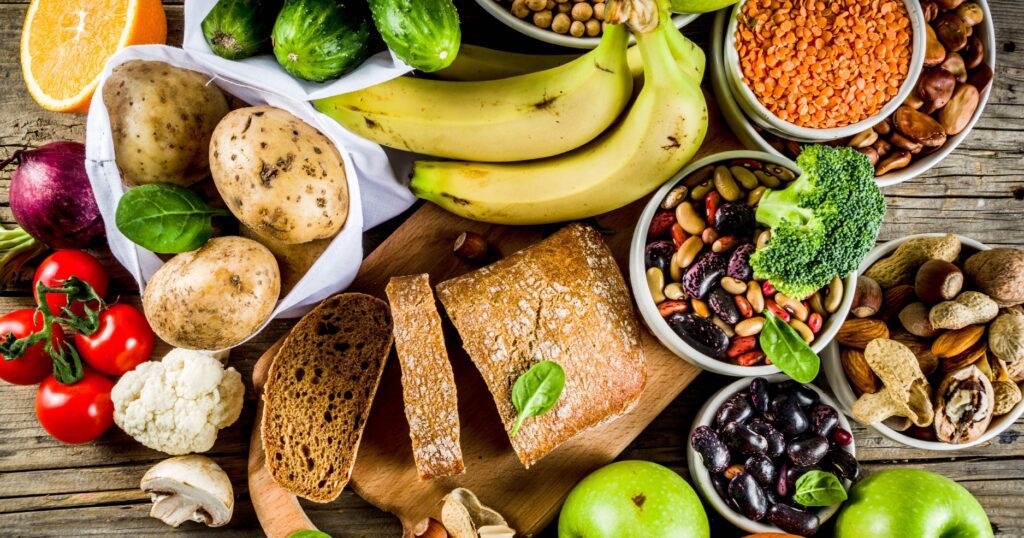
    Interestingly, other foods contribute to fiber fermentation due to their composition or how they are prepared. Some foods, like tempeh, can be added to a recipe at the end of preparation (an example of a food where live cultures lose their value when overcooked.) Other foods, like cooked rice and white potato, gain value by being cooled before eating. Even reheated, they retain their resistant starch, feed microorganisms, and boost health in the lower intestine. There’s an array of foods that contain resistant starch, including

    • Green bananas
    • Barley
    • Oats
    • Legumes, such as beans, peas, and lentils
    • Vegetables including asparagus, onions, leafy greens, carrots, sweet potato, and cauliflower 
    • Fruits with fibers that ferment, such as apples, green bananas, apricots, and raspberries.

    Check out our article on how to keep lean mass to learn more about the gut, fiber, resistant starch and how they contribute to weight optimization.

    How to eat to support the microbiome

    Although your gut will start to adjust to dietary changes within days, it’s wise to take the slow, moderate approach. Your metabolism needs time to adjust. For instance, if you crave a sugary snack, it may be due to insulin resistance and other factors that challenge your ability to make changes. 

    How much you increase your fiber comfortably will depend on your starting point. It is probably OK to start with swapping out 1-2 low-fiber options with options that have more resistant starch or fiber. For example, switch your rice and potatoes to cooled options with more resistant starch. One week you may add an extra portion of fruit or veg to breakfast. The next week you might add a high-fiber item to your dinner. As always, however, if you have any questions or doubts, consult with a qualified medical doctor or nutritionist.

    In fact, a well-informed, sensitive practitioner can guide you through the change process, often ensuring you get optimal results. The support you receive will assist you in selecting foods and supplements that will give your body time to adjust and see the most benefit. Physicians can also document your progress through lab tests that complement your observations, giving you a full picture of your health.

    References

    Brown, M. J. (2021). How short-chain fatty acids affect health and weight. Healthline. https://www.healthline.com/nutrition/short-chain-fatty-acids-101#TOC_TITLE_HDR_3

    Feng, Q., Chen, W., & Wang, Y. (2018). Gut microbiota: An integral moderator in health and disease. Frontiers in Microbiology. doi: 10.3389/fmicb.2018.00151 https://www.ncbi.nlm.nih.gov/pmc/articles/PMC5826318/

    Gao, K., Mu, C., Farzi, A., & Zhu, W.. (2020). Tryptophan metabolism: A link between the gut microbiota and brain. Advances in Nutrition. doi: 10.1093/advances/nmz127 https://www.ncbi.nlm.nih.gov/pmc/articles/PMC7231603/

    Harvard Health School. (2021). The gut-brain connection. Harvard Health Publishing. https://www.health.harvard.edu/diseases-and-conditions/the-gut-brain-connection 

    Minkoff, D. (2022). What causes cravings for sugar & junk food? Body Health. https://bodyhealth.com/blogs/news/what-causes-cravings-for-sugar-junk-food?utm_source=Klaviyo&utm_medium=email&utm_campaign=AS%3A%2010%2F31%2F22%20-%20What%20Causes%20Cravings%20for%20Sugar%20%26%20Junk&utm_content=campaign&_kx=vOaJaq7_GYUTG7OB_ll-wOZ4ZNqSO-wgVyZBrKO1Uq4%3D.PjfDUy

    Mörkl, S., Butler, M. I., Hall, A., Cryan, J. F., & Dinan, T. G. (2020). Probiotics and the microbiota-brain-gut axis: Focus on psychiatry. Current Nutrition Reports. doi: 10.1007/s13668-020-00313-5 https://www.ncbi.nlm.nih.gov/pmc/articles/PMC7398953/

    Nall, R. (2018). Probiotic foods: What to know. Medical News Today. https://www.medicalnewstoday.com/articles/323314#probiotic-foods

    Silva, Y. P., Bernardi, A., & Frozza, R. L. (2020). The role of short-chain fatty acids from gut microbiota in gut-brain communication. Frontiers in Endocrinology. doi.org/10.3389/fendo.2020.00025     https://www.frontiersin.org/articles/10.3389/fendo.2020.00025/fullWang, H., & Wang, Y. (2016). Gut microbiota-brain axis. Chinese Medical Journal. doi: 10.4103/0366-6999.190667https://www.ncbi.nlm.nih.gov/pmc/articles/PMC5040025/

  • Nutritional Impacts: Keep Lean Mass…Lose Fat

    Nutritional Impacts: Keep Lean Mass…Lose Fat

    Losing weight has its challenges. First, there are those days when the pounds cling, even amidst your hunger. Then there are others when you feel like your grip is weaker. That’s literal, as in you feel like your strength is slipping. 

    This article presents nutritional approaches that help to lose fat while maintaining muscle. Vitality throughout the coming decades means maintaining as much lean mass as possible. The steps you take today literally impact those of tomorrow. 

    Why lean body mass matters

    Your muscles keep you moving. This lean mass can be easily lost and takes work to regain. That’s why you want to maintain yours! The human aging process begins as early as during our 30s. By the time you’re 40, you begin to lose muscle mass at 3 to 5%  per decade (1). This is why it’s necessary to take steps now to retain muscle while losing fat.

    How muscle loss happens while dieting

    In the past, counting calories dominated dieting guidance. It amounted to losing weight when energy output, such as exercise, exceeded input or the number of calories consumed. This approach didn’t work for many. They not only regained weight but also may have lost muscle. 

    This is because of the roles that protein, carbohydrate, and fat macronutrients play in weight management and body composition.

    Fats

    Fats are essential for health and vitality. Your warmth, energy level, and a number of body functions rely on fats, including brain and nervous system activity. Enzymes begin fat breakdown in your mouth, continuing throughout your digestive tract (2). The purpose of a ketogenic diet is to limit carbohydrates while increasing fats. This generates ketones in your liver that are an alternative fuel for your body and deliver the energy needed by your brain. 

    Carbohydrates 

    Carbohydrates are sugars that can be quite complex. The body uses carbs to make glucose, the fuel essential for keeping you going. Glucose also feeds your brain, making this set of macronutrients essential (3). Unused carbs are stored in the body as fat. This is one reason that limiting carb intake is a weight management strategy. One downside is that when blood sugar (glucose) levels drop, the body may metabolize muscle for needed energy. This can happen with the ketogenic diet because protein builds muscle when in balance with carbs (4).

    Proteins

    Proteins and amino acids are the body’s building blocks. They build and repair tissues throughout your body. Consuming proteins increases your muscle mass, along with various forms of exercise. Protein needs are higher in children, pregnant women, older adults, and those recovering from injury or intense exercise. Protein needs vary from a minimum of .8 g per kilogram of body weight for sedentary people to 2 g per kilo for active or growing people (.013 -.032 oz/lb). Protein supplements help assure that your intake supports lean mass health and vitality. 

    Nutrition’s role in maintaining muscle mass and losing fat

    Logic would lead one to believe that each food type is processed in a distinct way in the body. Yet mammalian physiology is so much more complex than that. As noted above, nutritional variations, including food selection, preparation, and the amount consumed, play a huge role. These and other factors determine how your body uses and stores the energy of a food’s macronutrients. 

    Glycemic load and you

    Glycemic load refers to the amount of sugar a food generates as it’s metabolized. The glycemic load of a food is related to its glycemic index. The index measures sugar infused into your blood after consuming food.

    An example is your friendly white potato. It has a high glycemic load, especially when compared with sweet potatoes. Here’s the good news! That potato’s glycemic load (and index) can be somewhat reduced by cooking and cooling it before consumption, even when reheated. This approach generates resistant starch, one key ingredient to lean mass retention while achieving fat loss. 

    A bit of science on resistant starch

    This quick overview of resistant starch defines what it is, then briefly summarizes its science. That leads to the ‘meat of the matter’ and tips on how to select and prepare foods that save muscle mass, even as you lose weight.

    Resistant starch is a carbohydrate not digested in the small intestine (5). Instead, it moves to the large intestine where it ferments. This process results in prebiotics, the ‘food’ used by your gut’s healthy bacteria.  

    A 2015 review of human and rat studies suggests that, along with the need for further human studies, the consumption of resistant starch:

    • Reduces body fat while keeping lean body mass and without change in total energy expenditure
    • Doesn’t create the negative energy balance that can lead to regaining weight
    • Can positively affect body composition by contributing to lean body retention, even during “overfeeding” (5)

    The fiber-resistant starch-butyrate connection

    Before getting to the all-important list of resistant starch foods, there’s another crucial piece of the story to share. You’ll note that many of these foods are rich in fiber — they contribute to butyrate production by your ‘good’ gut bacteria. An extra plus is that studies reveal butyrate’s multi-faceted role in promoting and protecting health (6).

    Types of resistant starch foods

    It’s likely that foods with higher levels of resistant starch are already part of your diet. Plus, there are enough on the list for the most discerning palate. 

    • Resistant starch foods to eat right off the shelf or lightly cooked.
      • Dave’s Killer Bread — Some options have only 13 grams of carb/slice.
      • Vegetables — Most whole-food veggies are great sources of fiber and resistant starch. Try asparagus, onions, leafy greens, carrots, sweet potato, cauliflower, and more!
      • Fruits with fibers that ferment — These include apples, green bananas, apricots, and raspberries, among others. 
      • Full-fat dairy — Think whole milk, cheese, and butter (7).
    • Foods that have resistant starch after cooking and cooling.
      • Yes, white potatoes!
      • Rice, oats, and other whole grains 
      • Lentils, beans, and peas

    There are creative ways to explore the preparation of these and other foods that add healthy resistant starch to your diet. Keep track of them compared to your weight management journey and the balance of your body composition. 

    Supplements

    As you read about the role protein plays in building cells, including muscle, you may wonder if you’re eating enough — you may need to turn to another source of protein. One to consider is a protein supplement, especially one designed to increase your amino acid intake as these build muscle tissue and help your body thrive. 

    Looking for more support with healthy and effective weight management? Book a discovery session with us to discuss medical weight loss. 

    Conclusion

    You can keep a healthy lean body mass by taking simple steps with your diet. 

    • Resistant starch helps retain lean mass because of how it’s processed in the intestinal tract.
    • Increase resistant starch intake with food preparation strategies, such as cooking and cooling particular foods before consumption.
    • Foods that help with fat loss while maintaining muscle include cooked and cooled rice, oats, potatoes, legumes, and fiber-rich foods like green bananas and apples.
    • Supplements, including essential amino acid blends, help to ensure that protein levels are sufficient to protect your body’s lean mass.

    References

    Biggers, A. (2021). “How does the body digest fat?” Medical News Today. Accessed from: https://www.medicalnewstoday.com/articles/fat-digestion

    Cleveland Clinic. (2022). The health benefits and side effects of butyrate. Health Essentials. https://health.clevelandclinic.org/butyrate-benefits/

    Dunkin, M. A. (2020). Sarcopenia with aging. Compass by WebMD. https://www.webmd.com/healthy-aging/guide/sarcopenia-with-aging

    Gorin, A. (2018). The 11 biggest keto diet dangers you need to know about. Everyday Health. https://www.everydayhealth.com/ketogenic-diet/diet/keto-diet-dangers-you-need-know/#:~:text=Serious%20Muscle%20Loss%20Is%20a,when%20they%20continue%20resistance%20training.

    Higgins, J. A. (2015). Resistant starch and energy balance: Impact on weight loss and maintenance. Critical Review of Food Science Nutrition https://www.ncbi.nlm.nih.gov/pmc/articles/PMC4220782/

    McKinney, C. (n.d.) What is resistant starch? The Johns Hopkins patient guide to diabetes.      https://hopkinsdiabetesinfo.org/what-is-resistant-starch/
    Richards, L. (2020). What do carbohydrates do? Medical News Today. https://www.medicalnewstoday.com/articles/function-of-carbohydrates