Step into the world of natural rejuvenation with Platelet-Rich Plasma (PRP) injections, a hallmark of integrative, regenerative, and precision medical practices. This advanced treatment unlocks your body’s own healing capabilities, offering a unique approach to enhancing your beauty in the most natural and effective way possible.
What is Platelet-Rich Plasma (PRP)?
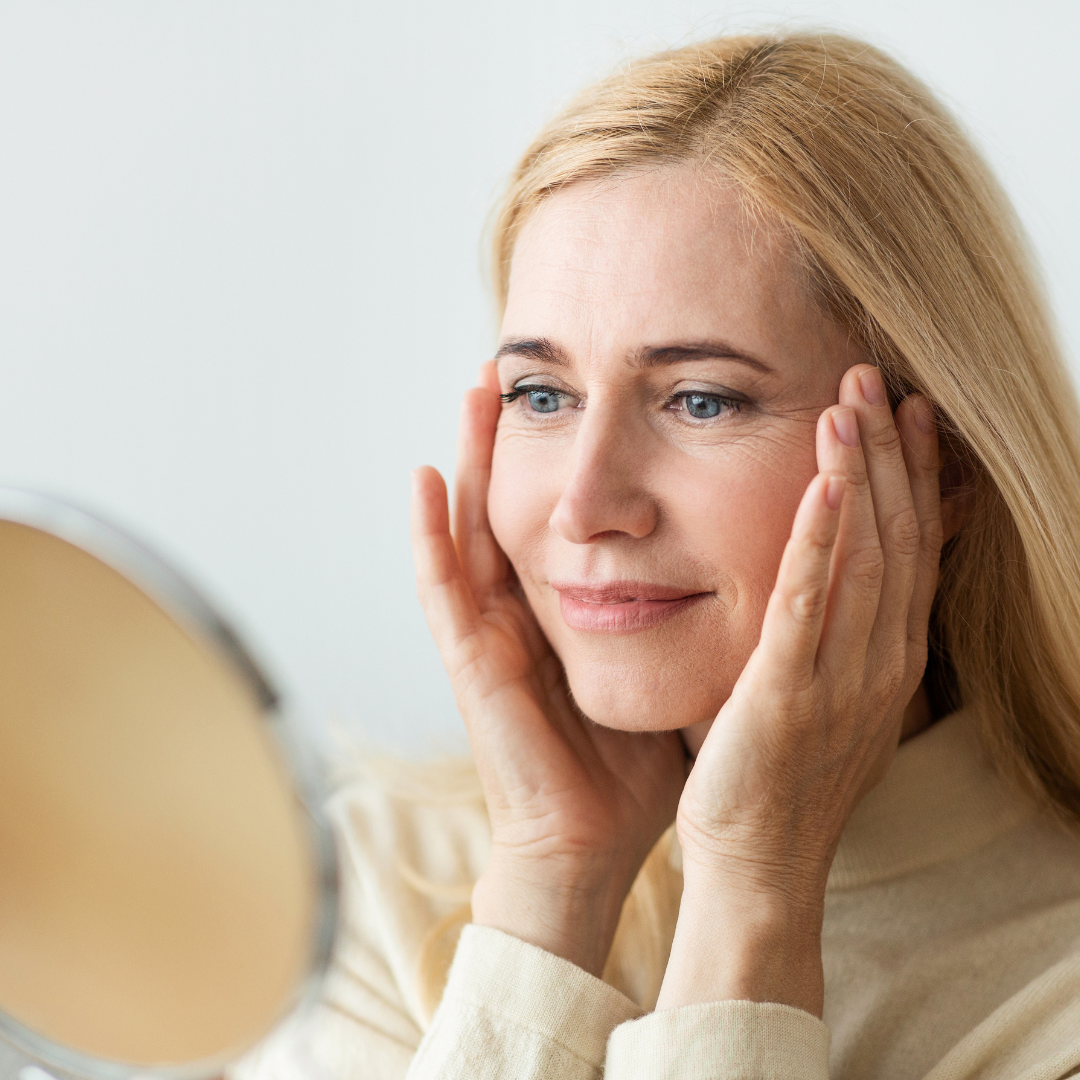
PRP therapy is a transformative advancement in the realm of aesthetic medicine. It involves concentrating the platelets from your own blood and reinjecting them into specific areas of the skin. Platelets have growth factors that help repair and regenerate tissue, making Platelet-rich Plasma a great option for natural beauty improvements.
The Benefits of PRP in Aesthetics
Platelet-rich Plasma therapy, with its unique approach to natural healing and rejuvenation, offers a multitude of benefits in the field of aesthetic medicine. These include:
Natural Enhancement: PRP therapy stands out for its ability to enhance your beauty using the natural elements of your own body. It helps your skin regenerate naturally, making it look younger without using artificial substances or procedures.
Reduced Risk of Allergies and Reactions: Since PRP is derived from your own blood, it significantly lowers the possibility of allergic reactions or rejection, offering a safer alternative compared to synthetic fillers and implants.
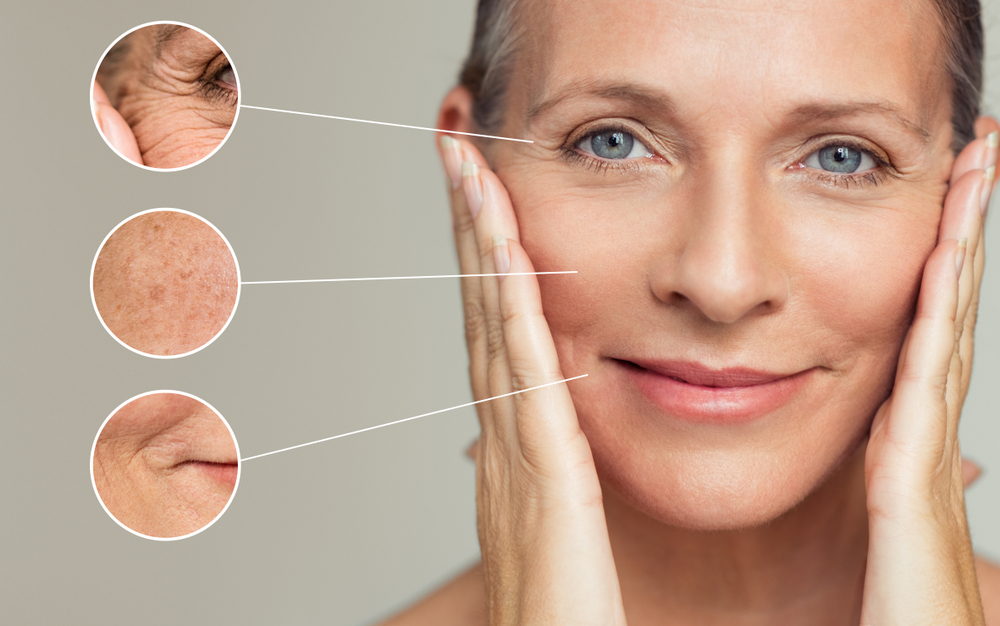
Diverse Applications: Its versatility is remarkable. It can do more than just make your face look younger. It can promote hair regrowth, improve the appearance of scars, accelerate wound healing, and enhance recovery from sports injuries. In aesthetics, it is used to make wrinkles smoother. It is also used to reduce under-eye hollows. Additionally, it can improve skin texture. It can even lift breasts and contour faces without surgery.
Quick Recovery: Platelet-rich Plasma procedures are minimally invasive and usually involve only a small blood draw and injections. This simplicity leads to minimal downtime, allowing patients to return to their daily activities shortly after the treatment.
Long-Lasting Results: While the effects develop gradually over time as the body generates new tissue, the results can be long-lasting. Skin texture and tone can keep getting better for months and stay that way with good care and follow-up treatments.
Enhanced Collagen Production: It is a powerful stimulant for collagen production, the protein responsible for the strength and elasticity of our skin. This increased collagen leads to a more youthful, vibrant complexion and helps in reducing the signs of aging.
Tailored to Individual Needs: The preparation of PRP can be customized according to the specific needs of each patient, allowing practitioners to address unique concerns effectively, whether it’s for skin rejuvenation, hair restoration, or other aesthetic purposes.
PRP Facelifts: A Natural Alternative
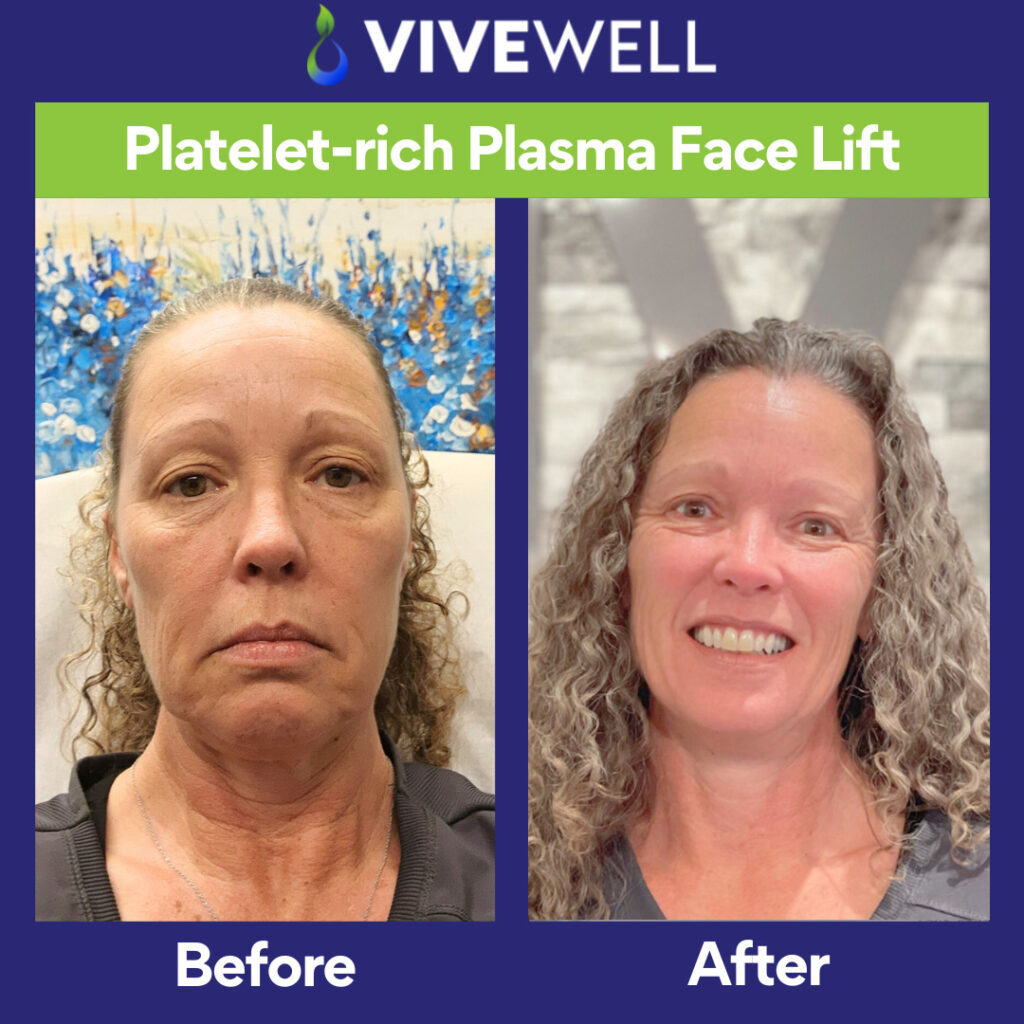
A PRP facelift is a non-surgical and minimally invasive procedure that rejuvenates your facial appearance. By injecting it into specific areas of the face, we stimulate collagen production, resulting in a youthful, refreshed look. This procedure is ideal for those seeking a less invasive alternative to traditional facelifts, offering natural and long-lasting results.
PRP Breast Lifts: Enhancing Contour Naturally
PRP breast lifts improve breast shape and skin quality by utilizing regenerative abilities. This procedure is particularly beneficial for those looking for a modest lift and improved breast texture without the need for implants or extensive surgery.
Additional Uses of PRP: Beyond Aesthetics
PRP therapy extends its benefits beyond aesthetic applications, proving effective in several other areas:
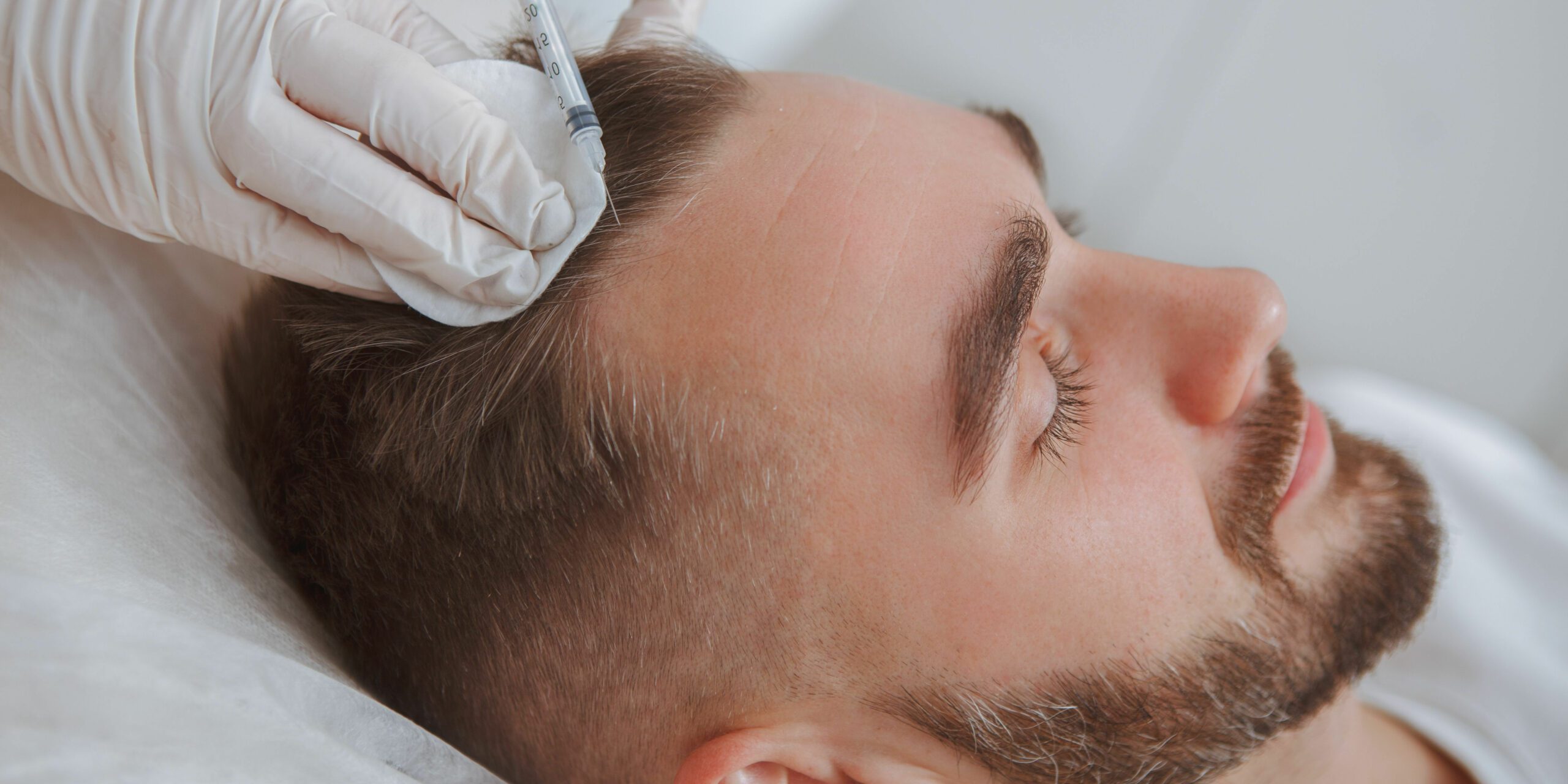
Hair Loss Treatment: It has shown promising results in treating various forms of hair loss. By stimulating hair follicles, it can promote hair regrowth, offering a natural solution to hair loss.
Slow-Healing Injuries and Joint Pain: PRP injections are increasingly used in orthopedic medicine to treat conditions like osteoarthritis, tendonitis, and other joint and muscle injuries. The growth factors can help accelerate the healing process and reduce pain.
Sexual Wellness: PRP is successfully used in the field of sexual wellness, with treatments aimed at enhancing sexual function and experience by using Platelet-rich plasma to rejuvenate sexual organs. For example, the power shot for men, can create a larger, stronger penis with sustained erections. The Vixen Shot for women, to naturally increase the body’s lubrication, sensitivity and arousal for more frequent and intense orgasms.
The Integrative Approach to PRP Therapy
At ViveWell Health, we combine Platelet-rich Plasma with other regenerative treatments, considering your overall health to create personalized treatment plans. This holistic approach ensures a natural path to beauty and wellness.
Precision Medicine in PRP Treatments
We employ precision medicine to enhance the safety and effectiveness of the therapy. By understanding your unique genetic and lifestyle factors, we ensure that Platelet-rich Plasma is the most suitable treatment for your aesthetic goals.
The Procedure: What to Expect
Your journey begins with a comprehensive consultation to discuss your aesthetic objectives. The process involves a simple blood draw, platelet concentration, and targeted injections. Typically, the procedure is completed within an hour, with results gradually manifesting over the following weeks.
Why ViveWell Health for PRP Therapy?
Our commitment to integrative, regenerative, and precision medicine ensures a unique and effective approach to natural beauty enhancement. We focus on personalized care, combining advanced techniques with your individual needs for optimal results.
Conclusion:
PRP injections offer a safe and natural route to enhance your beauty, whether for facial rejuvenation or breast enhancement. By utilizing your body’s innate healing capabilities, Platelet-rich Plasma provides a holistic solution to aesthetic concerns. Reach out to ViveWell Health today to explore how it can unlock your natural, youthful radiance.
Have you ever wondered why some people seem to effortlessly maintain their weight while others struggle despite their best efforts? The answer often lies in a little-discussed concept called Resting Metabolic Rate (RMR). Understanding your RMR can be a game-changer when it comes to effective weight management, personalized nutrition, and overall well-being. In this blog post, we dive into the depths of RMR and explore why it’s a crucial metric to have in your health arsenal.
The basics of Resting Metabolic Rate (RMR)
At its core, RMR represents the number of calories your body expends while at rest. Think of it as the energy your body needs to power essential functions like breathing, circulating blood, and maintaining a stable body temperature. In essence, it’s the foundation upon which your body builds its energy expenditure throughout the day.
Tailoring your lifestyle with personalized energy needs
One of the most compelling reasons to know your RMR is the ability to personalize your energy requirements. By understanding how many calories your body burns at rest, you can adjust your daily caloric intake to match your unique needs. This knowledge empowers you to create a more accurate and sustainable plan for weight loss, gain, or maintenance.
Precision in weight management
Are you tired of embarking on diets that promise rapid results but end up being unsustainable? Knowing your RMR provides you with a science-backed approach to weight management. Armed with this information, you can set realistic goals, avoid extreme caloric restrictions, and create a strategy that aligns with your body’s natural rhythms.
Your RMR isn’t just a number — it’s a guide to optimizing your nutrition. Whether you’re looking to shed pounds, build muscle, or simply maintain a healthy lifestyle, understanding your RMR enables you to make informed decisions about your nutrient intake. Say “goodbye” to one-size-fits-all diets and embrace a personalized approach to eating that supports your goals.
Crash diets and severe calorie deficits might lead to a dreaded metabolic slowdown. However, armed with your RMR knowledge, you can navigate weight loss without risking your metabolism. By setting realistic calorie targets and creating sustainable dietary changes, you’ll ensure that your body remains in balance throughout your wellness journey.
Your RMR also plays a pivotal role in designing effective workout routines. By aligning your exercise efforts with your resting metabolic rate, you ensure that you’re expending the right amount of energy. This approach prevents burnout, promotes better recovery, and maximizes the benefits of your fitness regimen.
Monitoring progress and health
Tracking changes in your RMR can offer valuable insights into how your body responds to various lifestyle modifications. Whether you’re fine-tuning your diet or exploring different exercise routines, your RMR acts as a compass, guiding you toward the most effective choices. Additionally, consistent monitoring can help catch potential health issues like hormonal imbalances early on.
How to calculate your Resting Metabolic Rate
Online calculators and apps
Numerous online calculators and mobile apps are available that can quickly estimate your RMR using the Harris-Benedict or Mifflin-St. Jeor equations. These tools often require you to input your basic information to generate your RMR.
Remember that while these equations offer estimates, your actual RMR might deviate due to factors like muscle mass, genetics, and lifestyle. If you’re seeking a more precise measurement, consulting a healthcare professional or registered dietitian for indirect calorimetry or other advanced methods might be beneficial.
ViveWell RMR Breath Test
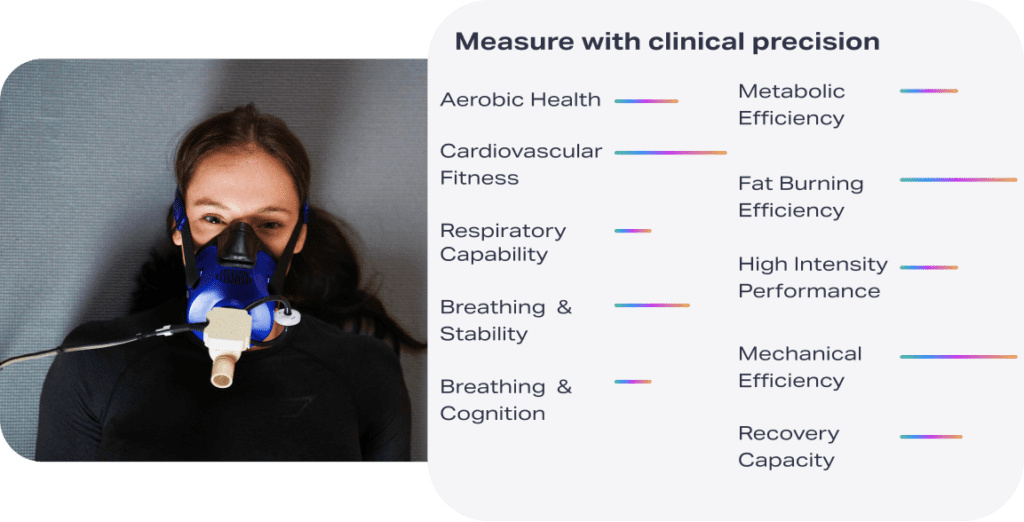
Breath testing for resting metabolic rate (RMR) is a sophisticated method that offers a highly accurate and personalized measurement of the energy your body expends while at rest. This technique, known as indirect calorimetry, analyzes the volume of oxygen you breathe in and the volume of carbon dioxide you exhale. These measurements are used to calculate the number of calories your body is utilizing during periods of rest and relaxation.
How it works
Gas exchange: When your body consumes oxygen (O2) to produce energy through metabolism, it also releases carbon dioxide (CO2) as a waste product. Indirect calorimetry captures this gas exchange process in action.
Oxygen consumption (VO2): During rest, the amount of oxygen you consume correlates with your resting metabolic rate. Oxygen is used to break down nutrients, releasing energy that powers various bodily functions.
Carbon dioxide production (VCO2): As energy is produced, carbon dioxide is generated as a byproduct. The volume of carbon dioxide you exhale reflects the amount of energy being expended by your body.
Calculating RMR: By analyzing the ratio of oxygen consumed to carbon dioxide produced, experts can calculate the calories your body is burning while at rest. This provides a precise measurement of your resting metabolic rate.
Advantages of breath testing for RMR
Accuracy: Indirect calorimetry is considered one of the most accurate methods for determining RMR. It takes into account individual variations in factors such as metabolism and energy utilization.
Individualized insights: Breath testing provides a personalized assessment of your metabolic rate, accounting for your unique physiological characteristics.
Clinical and research use: This method is utilized in clinical settings to diagnose metabolic disorders and tailor dietary plans. It’s also employed in research to study metabolism, weight management, and other related areas.
Health management: For individuals seeking precise data for weight loss or maintenance goals, breath testing offers invaluable insights for creating effective nutrition and exercise strategies.
???? For a limited time, we’re giving away FREE Resting Metabolic Testing to new patients when they book a service consultation. ????
Typically, indirect calorimetry involves breathing into a special device, often referred to as a metabolic cart. This cart measures the oxygen and carbon dioxide concentrations in the air you exhale, allowing the calculation of your resting metabolic rate. At ViveWell, we use state-of-the art equipment and reporting from PNOE.
Limitations
While highly accurate, breath testing requires specialized equipment and expertise. It’s usually conducted in clinical settings or research labs, which might limit its accessibility for everyday use.
Conclusion
In a world inundated with diet fads and fitness trends, understanding your Resting Metabolic Rate brings a refreshing dose of science and individualization to the table. It’s a powerful tool that empowers you to take charge of your health, make informed decisions, and embark on a wellness journey tailored to your unique needs.
Breath testing for resting metabolic rate through indirect calorimetry is a cutting-edge technique that offers a precise and individualized measurement of the energy your body expends at rest. It provides insights that can guide personalized health and wellness strategies, making it a valuable tool in the pursuit of effective weight management and improved overall health.
So, whether you’re striving for weight loss, muscle gain, or simply aiming for a healthier lifestyle, don’t overlook the significance of uncovering your RMR—it might just be the missing piece in your health puzzle.
You have undoubtedly heard of the term metabolism. Although most people don’t know what it means, it is often the culprit for failed weight loss attempts or general inability to achieve a fitness goal. This blog explains what metabolism is, why it’s important to maintain it at high levels, and what can cause it to decline.
What is metabolism?
Metabolism includes all biological processes that convert fuel from nutrients like fats and carbohydrates into the energy our body needs to survive. This energy is what we refer to as calories. In simple terms, it’s the process through which we burn calories. It is the most vital biological process since it provides a constant supply of the energy needed to power your body movements and all functions keeping you alive such as breathing, blood circulation, cell growth, muscle reparation, etc. Metabolism differs significantly from one person to another because of age, genetics, exercise habits, nutrition preferences, medication, etc.
Why it’s important to have a high metabolism
A high metabolism means your body burns more calories than the average person with the same age, weight, height, and gender. Conversely, having a slow metabolism means you are burning fewer calories than the norm. Since weight loss requires a caloric deficit, the state when you eat fewer calories than you burn, having a high metabolism is the most powerful protection against obesity. However, besides protecting you from weight gain, having a high metabolism is associated with faster cellular and muscle tissue reparation and other healing processes vital to recovery after training. Therefore, a high metabolism is also essential for avoiding injuries.
Understanding the health and state of your metabolism is key for genuine wellness. Book your consultation today to learn more about how you can heal from tiredness, pain, and more.
What can cause my metabolism to slowdown?
Aging, nutrition, and training are the most potent drivers of your metabolism and can all lead to a metabolic decline. Here’s how each one can affect it.
Age: Aging will cause your metabolism to decline since the older we get, the harder it is to maintain muscles mass and the less metabolism-boosting hormones (e.g., growth hormone) we secrete. The metabolic decline caused by aging is much less acute than the one nutrition or training can cause, and in most cases, it’s responsible for only a small portion of a person’s weight gain. Moreover, despite the decline it causes, training and exercise can help reverse it and maintain your metabolism at healthy levels.
Nutrition: Nutrition is one of the most powerful drivers of your metabolism. When you reduce the calories you consume and enter into a calorie deficit, the state in which you burn more calories than you eat, your body will reduce its metabolic activities in two ways. First, it sheds muscle mass. This process occurs since muscles are one of your primary energy reserves that will be tapped upon to cover the calorie deficit caused by food restriction. Second, it makes your remaining muscle mass more economical, causing it to burn fewer calories when moving (e.g., walking). This is done by changing the balance of specific hormones that regulate the energy your cells burn during movement. Both processes are part of your body’s survival mechanism and kick in to conserve calories and help you close the energy deficit caused by restricting food intake. However, both can be averted with the correct dose and type of exercise.
Training: Training can affect your metabolism in the fastest and most acute way. Although it can be a powerful tool for increasing your metabolism, over-training can have the opposite effect. The most effective workout type for increasing your metabolism is resistance training. First, it increases your muscle mass, leading to more calorie burn as more active tissue requires more energy. Second, it increases the energy your muscles burn on a per unit basis, meaning that every pound of muscle mass starts to burn more due to a positive shift in the hormone balance regulating your cells’ energy consumption. Too much training, however, has been shown to cause an adverse change in hormone balance (e.g., reduction of growth hormone secretion) that reduces metabolic processes. In this case, metabolic decline and the associated decrease in recovery capacity pose a critical danger for injuries.
How to measure metabolic health
A metabolic slowdown can pose a severe obstacle in achieving your dream physique and staying healthy long-term. As a result, one of the most important things to monitor is whether your metabolism has slowed down or whether your current fitness and nutrition are causing it to decline.
Enter maximal oxygen uptake (VO2max) — one of the most potent biomarkers of health and longevity. VO2max is the maximum amount of oxygen consumption one can attain during an exercise test. Here’s why it’s critical to your overall health and quality of life.
VO2max is the strongest independent predictor of health and longevity. VO2max-derived biological age allows for better risk stratification and management of individuals undertaking exercise testing.
VO2max is the gold standard method for measuring exercise capacity and determining optimal exercise programs for longevity and performance.
You can change your VO2max! Only a regular 30 min exercise session can increase your VO2max by more than 20%.
Why should you care about it?
Physical inactivity and poor physical fitness, dictated by a low VO2max value, have been estimated to account for 12% of all deaths in the US. It can be considered equally important as other conventional modifiable risk factors such as smoking and hypertension, and an increased VO2max may offset the harmful consequences of excess body fat and metabolic disease.
Can you change it?
Yes. Regular endurance training can significantly improve VO2max by 13-20%, depending on exercise intensity. In fact, regular aerobic exercise can reduce an individual’s biological age by ten or more years, thereby extending their healthy lifespan. Following a PNOĒ based program can help you improve your VO2max and efficiently reduce your biological age.
The PNOE metabolic analyzer provides a clinical-grade analysis of your metabolism, helping you act early and avoid the pitfalls of a metabolic slowdown.
The thyroid gland plays a crucial role in regulating metabolism by producing hormones that influence various processes in the body. The two primary hormones produced by the thyroid gland are thyroxine (T4) and triiodothyronine (T3). These hormones affect almost every cell and tissue in the body, influencing how they use energy.
The thyroid is the gas pedal of your metabolism
Here’s how the thyroid influences metabolism:
Basal Metabolic Rate (BMR): Thyroid hormones increase the basal metabolic rate, which is the amount of energy (calories) your body needs to function while at rest. They do this by affecting the metabolic rate of cells, particularly in tissues like the liver, muscles, and adipose tissue (fat cells).
Energy Production and Consumption: Thyroid hormones stimulate the cells to produce more energy by increasing the rate of glucose (sugar) metabolism and utilization of oxygen. This results in more efficient energy production and consumption at the cellular level.
Protein Synthesis: Thyroid hormones play a role in protein synthesis, which is important for maintaining muscle mass and overall tissue health. They enhance the breakdown of old proteins and the synthesis of new ones, contributing to proper tissue maintenance and repair.
Fat Metabolism: Thyroid hormones influence the breakdown of fats (lipids) by increasing the activity of enzymes involved in lipolysis (the breakdown of fat stored in adipose tissue) and promoting the utilization of fatty acids for energy.
Regulation of Body Temperature: Thyroid hormones help regulate body temperature by influencing the activity of mitochondria (the “powerhouses” of cells) and the generation of heat through various metabolic processes.
Cardiovascular System: Thyroid hormones affect the heart rate and the strength of heart contractions. They also impact blood vessel dilation and constriction, which can affect blood pressure and overall cardiovascular function.
Digestive System: Thyroid hormones influence the rate of digestion and absorption of nutrients from the gastrointestinal tract, which can impact how efficiently the body processes and utilizes nutrients.
Growth and Development: Thyroid hormones are crucial for normal growth and development, especially in infancy and childhood. They are essential for proper bone and brain development, as well as for the maturation of various organ systems.
If the thyroid gland is underactive (hypothyroidism), it produces insufficient amounts of thyroid hormones, leading to a slower metabolism, fatigue, weight gain, and other symptoms. Conversely, if the thyroid gland is overactive (hyperthyroidism), it produces excessive amounts of thyroid hormones, leading to increased metabolism, excessive weight loss, and other symptoms like anxiety and rapid heart rate.
The regulation of thyroid hormone production is primarily controlled by the hypothalamus and pituitary gland through a feedback loop involving thyrotropin-releasing hormone (TRH) and thyroid-stimulating hormone (TSH). Any disruption in this feedback loop can lead to imbalances in thyroid hormone levels and subsequently impact metabolism and other bodily functions.
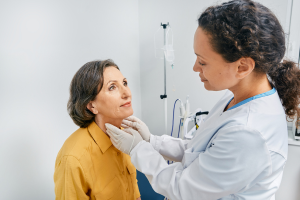
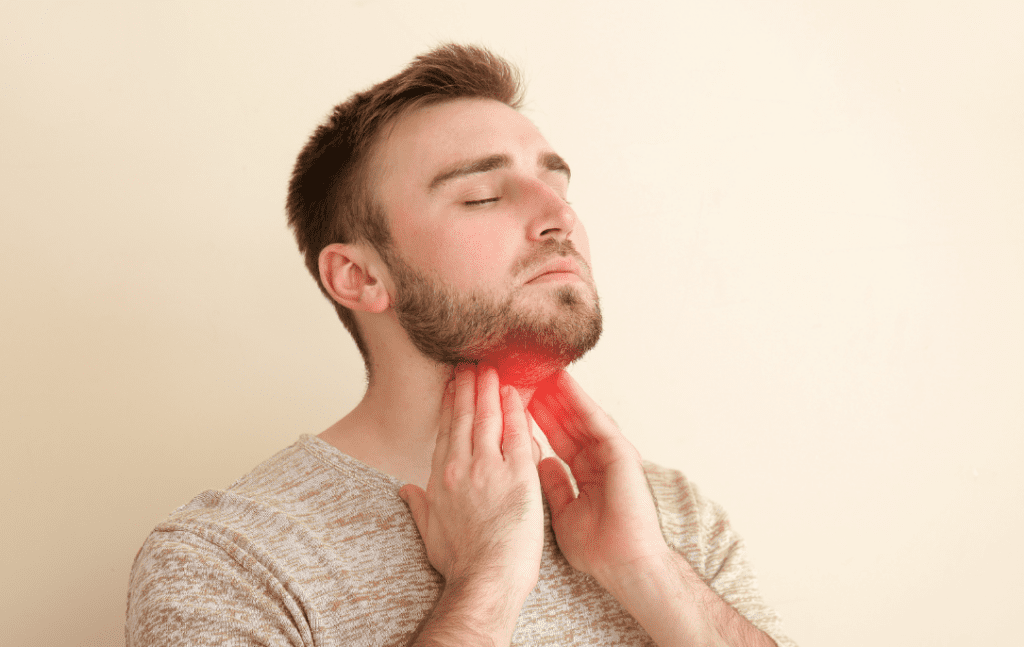
Your thyroid gland is a small but mighty organ that is located in your throat. The thyroid gland plays an important role in maintaining your overall health and well-being. This gland is responsible for producing hormones in the regulation of your body temperature, metabolism, and energy levels. Therefore, thyroid’s impact on the body cannot be overlooked.
Since thyroid glands play a significant role in health maintenance, assessment of their functions is a fundamental aspect of healthcare. Traditional thyroid tests involve the evaluation of levels of thyroid-stimulating hormones (TSH), T3, and T4 in the blood. It is the prescribed method for diagnosing various disorders related to the thyroid.
However, with the advancements in the field of medicine, the reliability and effectiveness of these standard tests have become a query. In this article, we will learn about the complexities of thyroid function and the limitations of thyroid blood tests. We will find out why you can only partially rely on TSH, T3, and T4 levels to get a complete picture of your thyroid health.
Understanding the complexity of thyroid function
In order to rule out an appropriate method for diagnosing thyroid problems, it is critical to understand the complexity of thyroid function which lies in the interplay among the thyroid hormones and the feedback mechanisms of the body. Basically, your thyroid gland produces two important hormones called Thyroxine (T3) and Triiodothyronine (T4). These hormones are responsible for carrying out the most vital functions of the thyroid. T4 is produced in abundance and it serves as a precursor to T3. T3 is the more potent form of a hormone that plays a significant role in energy production and metabolism. But the plot thickens, Reverse T3, an isomer of T3, which has a similar shape but different orientation, is formed when the body is exposed to chronic stress. (A good example of an isomer can be found looking at the difference between “W” and “M”). Reverse T3 has a similar shape but actually competes to block the function of T3, and can be a sign of developing adrenal fatigue.
The pituitary gland secretes Thyroid Stimulating Hormone (TSH) which controls the production of T4 by the thyroid gland.
As the name suggests, the TSH released into the bloodstream by the pituitary glands stimulate the production of Thyroid hormones when they are required. When there are sufficient levels of T3 and T4 in the body, the pituitary glands reduce the production of TSH, signaling the thyroid gland to slow down the production of thyroid hormones.
The thyroid is like the gas pedal of your metabolism.
The thyroid gland produces hormones that strongly influence metabolism. T3 and T4 hormones impact:
energy production
protein synthesis
fat metabolism
body temperature
cardiovascular function
growth
Hypothyroidism (underactivity) slows metabolism, while hyperthyroidism (overactivity) speeds it up. The hypothalamus and pituitary gland regulate thyroid hormone production through a feedback loop. Disruptions in this process can affect metabolism and other bodily functions.
Standard thyroid blood tests involve measuring the levels of TSH, T3, and T4 in the blood to assess the functionality of the thyroid. If the levels of TSH are increased, the condition is called hypothyroidism which is an indication of underactive thyroid. An underactive thyroid means that the thyroid gland is not producing a sufficient quantity of thyroid hormones. As a result, the pituitary glands have to stimulate the underactive thyroid by producing more than the normal amount of TSH. On the other hand, if the levels of TSH are low, this indicates an overactive thyroid, and the condition is medically termed hyperthyroidism. This approach for assessing thyroid functions has been in practice for decades.
However, according to recent research studies, the thyroid functions of an individual can not be accurately represented by solely relying on the levels of TSH, T3, and T4 hormones in the blood. For example, some people may have many symptoms of hypothyroidism and have a “normal” TSH within the wide acceptable range, and adequate T3 and T4 hormones. This represents a condition called subclinical hypothyroidism in which the patients may experience the symptoms of hypothyroidism while the blood test shows normal levels of thyroid hormones. Their provider might not have checked a Reverse T3 to find that the body is actually blocking T3 function because of stress, and may need support for the tired adrenal glands.
Moreover, the reference ranges for TSH, T3, and T4 hormones vary among various laboratories which leads to discrepancies in the interpretation of results. In addition, several factors such as age, gender, and underlying health condition also influence the levels of thyroid hormones. Therefore, establishing a universal standard for “normal” levels is no less than a challenge.
What are the symptoms of Thyroid Dysfunction?
Thyroid dysfunction can be associated with various symptoms depending on whether the thyroid is underactive or overactive. If the thyroid is underactive, the condition is diagnosed as hypothyroidism.
Hypothyroidism is often characterized by some common symptoms which are as follows:
Weight gain
Weakness and fatigue
Dryness of skin and hair
Depression and irritability
Sensitivity to low temperature
Joint pain
Muscle aches
Cognitive issues
Constipation
Hair loss
Menstrual irregularities
On the contrary, an overactive thyroid leads to a condition termed hyperthyroidism which is characterized by the following symptoms:
Increased appetite
Unintentional weight loss
Excessive sweating
Intolerance to heat
Irregular or rapid heartbeat
Anxiety
Nervousness
Changes in menstrual patterns
fatigue
Diarrhea
Sleeping difficulty
Tremors in hands
Although these symptoms are commonly associated with Thyroid Dysfunction, remember that they are not specific to Thyroid Dysfunction. This means that it might be possible that the underlying cause of any of these symptoms is another health-related issue. However, it is important to notice that these symptoms play a significant role in the diagnosis of Thyroid Dysfunction.
Why is TSH testing considered inadequate?
TSH testing has been a go-to method for assessing thyroid function for ages. As discussed earlier, a higher level of TSH in blood indicates hypothyroidism and a lower level is an indication of hyperthyroidism. This very simple approach for testing thyroid function has the potential for misdiagnosis leading to inadequate treatment for patients with thyroid problems.
One major reason behind the limitation of TSH testing is subclinical hypothyroidism.
It is a condition in which the levels of thyroid stimulating hormone (TSH), T3 and T4 appear to be normal, yet the patient experiences the subtle symptoms of hypothyroidism such as fatigue, sensitivity to colds, and weight gain. Subclinical hypothyroidism, in easy words, is an unnoticed form of underactive thyroid function that can lead to serious health issues if left untreated. This condition is also an indication of the fact that TSH testing is not an adequate approach for assessing thyroid function as it may neglect minor Thyroid Dysfunction leading to misdiagnosis.
The accuracy and effectiveness of TSH testing have become the topic of debate and increased inquiry in the world of medicine.
Are there any limitations of T3 and T4 testing?
“Low thyroid function is the single primary reason people feel tired, get diseased, and age prematurely. And yet the blood tests that doctors use to diagnose it are the most unreliable tests in all of medicine.” — Dr. Frank Shallanberger
Certain limitations are associated with T3 and T4 tests while evaluating thyroid functionality. One of the major barriers is that the levels of T3 and T4 hormones tend to fluctuate throughout the day. Furthermore, the levels of thyroid hormones also vary among individuals.
Therefore, it is understood that unlike TSH, which is comparatively stable and measured quite easily, the levels of T3 and T4 can alter significantly over short periods. That is why establishing a standard reference range for these hormones is pretty challenging. Relying solely on measuring the Levels of thyroid hormones for evaluation of thyroid function may lead to failure in diagnosing Thyroid Dysfunction.
In addition, there are many factors that influence the levels of thyroid hormones. These factors include your age, your gender, and any health issue that you might be facing. It is also important to realize that the hormonal profile of every individual is unique which again makes it difficult to set a universal range for hormone levels.
The importance of symptomatic diagnosis of Thyroid Dysfunction
Symptomatic diagnosis of Thyroid Dysfunction plays a significant role in effectively addressing and identifying thyroid-related disorders. Thyroid issues are often associated with distinct signs and symptoms. Understanding these symptoms is quite helpful for healthcare experts to diagnose the condition on the basis of subtle signs, even before the manifestation of lab test results.
Symptomatic diagnosis of Thyroid Dysfunction is a proactive approach to identifying abnormal thyroid conditions. This approach allows for timely interventions and preventive measures while reducing the risk of possible complications.
Furthermore, symptomatic diagnosis also enables healthcare professionals to easily differentiate between hypothyroidism and hyperthyroidism, allowing the selection of appropriate medications and treatment as per the patient’s requirements.
In many cases, the symptoms of Thyroid Dysfunction are very common medical signs and symptoms. Thryoid-related conditions can be associated with a wide array of emotional, physical, and cognitive changes. A detailed assessment of these symptoms allows medical practitioners to consider individual patient experiences. This is particularly important for designing a personalized approach toward treatment strategies.
Conclusion
The reliability of conventional thyroid blood tests in accurate diagnosis of thyroid issues has been brought into question. While TSH testing has been serving as a gold standard test for the evaluation of thyroid function, it is also important to remember that it might not be able to provide a comprehensive view of thyroid function.
Subclinical hypothyroidism highlights the inadequacy of solely relying on TSH tests. Individuals with subclinical hypothyroidism show mildly elevated or “normal” levels of TSH while their T3 and T4 levels appear to be within the normal range. This confusion may even result in neglecting patients who require a thyroid replacement. Plus, the fluctuations in T3 and T4 levels throughout the day and their variation among individuals is yet another factor that makes it a challenge to establish a standard reference range for hormone levels that works universally.
Symptomatic diagnosis of Thyroid Dysfunction emerges as a crucial aspect of effective thyroid assessment. Understanding the diverse range of symptoms associated with thyroid issues empowers healthcare professionals to identify subtle signs early on, enabling timely care to help people feel better.
This article emphasizes the importance of symptomatic diagnosis of thyroid function. This requires an understanding of the diverse range of symptoms associated with Thyroid Dysfunction. Recognizing thyroid symptoms at an early stage allows for timely diagnosis and treatment. Furthermore, patient-centered or personalized care approach helps in carrying out better communication between patient and medical practitioner which is particularly helpful in designing individual treatment strategies.
Last but not least, a combination of symptomatic evaluation with thyroid blood tests is important for a more effective and accurate understanding of thyroid health. This allows for a proper diagnosis and better care, ultimately leading to improvement in the patient’s overall well-being.
This content is adapted from an article written by Dr. Frank Shallenberger, “Thyroid blood testing is useless.”
Dr. Frank Shallenberger is the Editor-in-Chief of Second Opinion Newsletter and Second Opinion Health Alert. Dr. Shallenberger earned his medical degree from the University of Maryland School of Medicine and received his postgraduate training at Mt. Zion Hospital in San Francisco. Dr. Shallenberger is board certified by the American Board of Anti-Aging Medicine and has been practicing medicine for over 44 years.
Dr. Shallenberger created Bio-Energy Testing, Che-Zone, and Prolozone Therapy and has trained more than 700 doctors in the use of these techniques. He is the founder and director of The Nevada Center of Alternative & Anti-Aging Medicine and previously worked as a clinical Instructor of Family Medicine at the U.C. Davis School of Medicine. Dr. Shallenberger is the author of three books, Bursting with Energy, The Type 2 Diabetes Breakthrough, and The Ozone Miracle.
Dr. Shallenberger is the president of the Nevada State Homeopathic and Integrative Medicine Association, the past president of the American Academy of Ozone Therapy, and was appointed by the governor of Nevada to serve on the Nevada State Board of Homeopathic Medical Examiners. He has served as a founding board member of the International Bio-Oxidative Medical Foundation and as a board member of the Society for Orthomolecular-Health Medicine.
Dr. Shallenberger also uses his knowledge and experience in the medical field to research and provide specialized formulations for Advanced Bionutritionals® Nutritional Supplements and Nutraceuticals. Advanced Bionutritionals is a cutting-edge line of vitamins and nutraceuticals. These high-quality supplements are made to assure purity and potency.
References
Melish JS. Thyroid Disease. In: Walker HK, Hall WD, Hurst JW, editors. Clinical Methods: The History, Physical, and Laboratory Examinations. 3rd edition. Boston: Butterworths; 1990. Chapter 135. Available from: https://www.ncbi.nlm.nih.gov/books/NBK241/
Welsh, K. J., & Soldin, S. J. (2016). DIAGNOSIS OF ENDOCRINE DISEASE: How reliable are free thyroid and total T3 hormone assays?. European journal of endocrinology, 175(6), R255–R263. https://doi.org/10.1530/EJE-16-0193
Babić Leko, M., Gunjača, I., Pleić, N., & Zemunik, T. (2021). Environmental Factors Affecting Thyroid-Stimulating Hormone and Thyroid Hormone Levels. International journal of molecular sciences, 22(12), 6521. https://doi.org/10.3390/ijms22126521
Sheehan M. T. (2016). Biochemical Testing of the Thyroid: TSH is the Best and, Oftentimes, Only Test Needed – A Review for Primary Care. Clinical medicine & research, 14(2), 83–92. https://doi.org/10.3121/cmr.2016.1309
Crisafulli, G., Gallizzi, R., Aversa, T., Salzano, G., Valenzise, M., Wasniewska, M., De Luca, F., & Zirilli, G. (2018). Thyroid function test evolution in children with Hashimoto’s thyroiditis is closely conditioned by the biochemical picture at diagnosis. Italian journal of pediatrics, 44(1), 22. https://doi.org/10.1186/s13052-018-0461-5
Wang, X., Liu, H., Chen, J., Huang, Y., Li, L., Rampersad, S., & Qu, S. (2016). Metabolic Characteristics in Obese Patients Complicated by Mild Thyroid Hormone Deficiency. Hormone and metabolic research = Hormon- und Stoffwechselforschung = Hormones et metabolisme, 48(5), 331–337. https://doi.org/10.1055/s-0042-105150
Wartofsky, L., & Dickey, R. A. (2005). The evidence for a narrower thyrotropin reference range is compelling. The Journal of clinical endocrinology and metabolism, 90(9), 5483–5488. https://doi.org/10.1210/jc.2005-0455
Rapamycin, an anti-cancer and anti-aging drug, is typically used to prevent rejection in patients with organ transplants, reduce the likelihood of certain lung diseases, and act as a coating for coronary stents. However, recently scientists have become interested in another important benefit of the drug – its anti-aging properties. In a now-dated study, Rapamycin was found to lengthen the lifespan of mice by 14% for females and 9% for males when used as a dietary additive. Since that promising study, researchers have been intent on finding how Rapamycin may aid longevity and treat aging-related diseases in humans – including skin aging.
What is Rapamycin?
Rapamycin is secreted by a bacterium known as Streptomyces hygroscopicus. The bacterium was first found on Easter Island when scientists took soil samples in 1972. In the native language, Easter Island is called “Rapa Nui” and was used as the basis of Rapamycin’s name.
The bacterium uses Rapamycin to help protect it from other bacteria and fungi, and unsurprisingly, Rapamycin was first used as an antifungal. Eventually, it also began being used as an immunosuppressant when a drug known as Rapamune was approved in 1999 by the United States Food and Drug Administration for kidney transplant patients. Finally, the substance was found to be a beneficial anti-tumor drug as it restricts cell growth, notably cancerous or malignant cells.
How does Rapamycin work?
Rapamycin works by inhibiting a protein known as mTOR that aids in cell division, survival, and other functions. mTOR signals the body’s cells to metabolize and grow; cell growth is prohibited when Rapamycin disrupts the signal. Preventing the growth of cells can be beneficial in certain conditions like cancer, Alzheimer’s disease, and cellular senescence. mTOR is naturally inhibited by fasting and triggered by ingesting certain foods, such as carbohydrates. Learn more about how intermittent fasting improves aging.
Rapamycin is a multifaceted drug with many uses in preventing and treating age-related issues, such as lifespan, age-related health concerns, and skin degeneration.
Increase longevity
More research needs to be done on how Rapamycin’s mTOR disruption aids in longevity; however, it has been shown to extend the lifespan of mice, yeast, fruit flies, and worms. Researchers theorize that when the mTOR protein is decreased, the body is signaled to conserve resources until more fruitful times. As such, its growth is suppressed while cells’ defense against oxidative stressors increases. In basic terms, suppressed mTOR tells your body’s cells to repair and maintain health instead of growing.
Prevent age-related diseases
Scientists also think that it may help prevent age-related diseases like neurodegeneration. A conclusion has not been reached on how Rapamycin may decrease the chances of age-related disease. Still, research indicates that the drug’s ability to halt cell growth and improve cell health may be due to autophagy, a process that removes damaged and abnormal cell parts.
Prevent and treat skin aging
Additionally, autophagy may assist with the aging of skin as it tells cells to repair themselves instead of stimulating growth, which as we age results in geroconversion or cell deterioration. When skin cells enter cellular senescence, they aren’t rejuvenating themselves into fresh, youthful cells but neither are they dying and being replaced. Therefore, they are simply aged and functioning at a less-than-optimal level. Because Rapamycin encourages autophagy or cell restoration, it may help skin look more youthful.
Rapamycin’s advantages for the skin include decreasing wrinkles, age spots, and photoaged skin. When applied topically, Rapamycin can potentially treat psoriasis, vascular anomalies, and other skin-related diseases. Another study found it helpful in treating tuberous sclerosis, in which benign tumors can grow on the skin, with 73% of participants reporting an improvement in their skin. Another study found that low-dose Rapamycin cream applied to one hand found improved collagen protein, fewer senescent cells, and diminished aged markers after just eight months compared to the participant’s other placebo-treated hand.
Notably, Rapamycin applied to the skin was not absorbed into the body and proved effective in children and young adults.
In a study on Rapamycin’s effects on skin-aging markers, all participants were aged 40 or older and showed signs of age-related photoaging and dermal volume loss. Many of them improved skin appearance and boosted collagen levels after being treated with topical Rapamycin, proving that it can be an effective anti-aging therapy for the skin even if not started until later in life. This is unlike other skin treatments, which require consistent use over time to achieve benefits.
Similarly, unlike other drugs that must be started early to improve longevity and decrease age-related diseases, Rapamycin can be beneficial even when begun at a mature age. One study found the drug still may increase lifespan by 9-14% in older individuals.
In addition to its late-life benefits, Rapamycin may not have to be taken consistently to work. Another study suggested that only three months of a high dose significantly increased lifespan. Therefore, a brief stint of Rapamycin may still prove beneficial while lowering the risk of side effects.
Are there any side effects of Rapamycin?
Human trials using the drug to treat age-related issues have found few side effects. Studies show that Rapamycin appears safe for use, even in older patients, as long as they are otherwise healthy. It’s important to note that topical application of Rapamycin for age-related skin issues did not result in systemic absorption and therefore did not produce adverse side effects that can be encountered with Rapamycin, like low platelet count.
The primary concern with Rapamycin is that it can suppress immune function. Although some experts suggest that the doses taken for anti-aging effects don’t suppress immunity but rather “eliminates hyperimmunity,” essentially resetting the immune system in the elderly.
Some side effects can be reversed, like low platelet count, by stopping drug use. Other side effects necessitate stopping treatment. Nevertheless, Rapamycin may be prescribed in low doses or intermittently in anti-aging dosages and regimens, which may decrease the chances of side effects.
In conclusion, Rapamycin shows immense promise for anti-aging benefits. Its key advantages include:
slowing cellular aging
extending lifespan
promoting healthspan
enhancing immune function
reducing chronic inflammation
delaying age-related diseases
Additionally, Rapamycin’s ability to improve metabolic health, enhance autophagy, and its potential for combination therapies further contribute to its potential as a revolutionary anti-aging compound. While research is ongoing, Rapamycin remains a beacon of hope in the pursuit of a longer, healthier, and more fulfilling life. Remember to consult a ViveWell provider before considering Rapamycin for anti-aging purposes. Use the link below to book a longevity/anti-aging appointment to learn more about your options.
April 2nd is World Autism Awareness Day. Neurodivergent people, like autists and people with ADHD, have a unique set of needs to function optimally in life — including special attention and support for self-care, health, and wellness. Here we’ll dive into what lifestyle and healthcare tips can help improve the well-being of autistic people and those who love and care for them.
What is autism?
Autism is currently defined by the Diagnostic and Statistical Manual of Mental Disorders, 5th Edition (DSM-5) as a neurodevelopmental disorder characterized by early onset differences in
Sense-making
Social interaction and communication
Focus on areas of interest (usually quite narrow)
While autism shows visible differences in the physical structures of the brain, there’s no clear consensus on what precisely causes autism, it can be linked to genetics and epigenetic factors, like environment, experiential or other factors.
Just as there are a number of possible contributing factors to the development of autism, there is a wide range of possible ways for symptoms of autism to manifest. To further complicate the differential diagnosis of autism, symptom manifestation can change daily on an individual level and vary from population to population. This can make determining support needs all the more difficult, not just for autistic people, but for the caregivers in their lives as well.
Symptoms of autism
Through portrayal in popular media of autistic characters like Sheldon Cooper from the Big Bang Theory and Raymond Babbitt from Rain Man as well as an almost exclusive research focus on the autistic experience of boys under 10 years old, society’s collective understanding of autism usually includes:
Thinking in extremes and black-and-white thinking
Strict adherence to routine
Intense focus on objects and concepts often referred to as special interests (such as trains, train schedules, and other related information)
Autistic boys make up a large part of the collective understanding of what autism looks like.
However, this is only part of the possible constellation of symptoms in the lived autistic experience. As a consequence of this narrow view of autistic symptoms, common symptom manifestations often seen in women and girls are missed, both in research and in their lives. The male-to-female diagnosis ratio for autism is roughly 4:1. In addition to being more likely to go undiagnosed, autistic females are often misdiagnosed.
Another factor in misdiagnosis and late diagnosis of autism in people is differences in socialization and social expectations. Whereas male autists are generally referred to as “little professors,” many female and non-binary autists are often characterized as “little psychologists.” In research focused on the autistic phenotypes observed in females, an intense focus on understanding human behavior has frequently been noted, which can lead to an early learned ability to camouflage or mask their symptoms — an endless effort to blend in for both diagnosed and undiagnosed autists.
Masked vs. unmasked autism
Because of a heightened ability to mask, especially in social situations, the struggles of autistic people who don’t fall into the more widely-known and accepted picture of autism can be overlooked, sometimes for years or decades.
Unfortunately, this can lead to significant pre-diagnosis difficulties for people diagnosed later in life and earlier misdiagnoses of anxiety, depression, Borderline Personality Disorder (BPD), Obsessive Compulsive Disorder (OCD), among others. While people who can mask autistic traits more easily succeed in blending into a society not built to support their needs, this masking comes at a cost: Autistic burnout.
Autistic burnout is the exhaustion caused by masking — it takes a lot of work to seem like one isn’t struggling at any given time! This is especially true in situations where the requirement for resources, energy, and strength in an autist’s life outweigh their ability to meet those requirements.
The energy expended trying to meet the demands of typical life can lead to:
Exhaustion
Inability to or disinterest in participating in anything resembling a demand, even if the activity is something one usually finds pleasure in
Aggravation of possible co-occurring conditions like anxiety, depression, or suicidal ideation
For autists and those who care for them, a significant goal for life quality is limiting the stress and unintended costs of masking. This might include:
Being aware of their limits and meeting their needs
Creating accessible environments and relationships where autistic people can be safely unmasked — where they can stim, explore special interests freely, approach transitions slowly, and control sensory inputs easily
Regularly checking in on parts of one’s wellness that are potentially deprioritized due to the energetic cost of masking — hydration, adequate nutrition, hygiene, and sleep, especially.
Wellness tips for autists and their caregivers
Though the autistic experience is not a monolith, and there are no one-size-fits-all interventions that will be helpful for all autists, a number of health-related concerns have been observed to apply to many autistic people.
Common autistic health concerns
Sedentary lifestyle compared to neurotypical peers
Higher incident rates for cardiovascular disease
Nutrient-deficiency
High blood pressure
Higher rates of anxiety and burnout, which can lead to feelings of decreased satisfaction in life
Decreased ability for those capable of masking to do so
Other commonalities, often with no readily-identifiable medical cause, include:
Gastrointestinal issues
Headaches and migraines
Difficulties with sleep
Autoimmune disorders
Studies have shown a number of interventions that could possibly be helpful for some, if not all, of those on the autism spectrum.
Precise, individual recommendations for autists
ViveWell offers 3 precision genetic tests that can inform specific interventions for autism according to an individual’s DNA. Genes are analyzed against a robust set of research to offer detailed dietary, environmental, and lifestyle advice.
The Neurodevelopmental Report
This report is the most complete analysis of neurodivergence. The Neurodevelopmental Report combines the Mental Wellness Report (below) with additional panels, making it ideal for addressing neurodevelopmental issues like Autism Spectrum Disorder, Asperger’s, and PANDAS/PANS. Drawing from a successful pilot study in Australia, the report helps clinicians identify root causes and create personalized health plans. Focusing on contributing factors to various neurodevelopmental conditions, the report covers pathways such as Autism Spectrum, inflammation, gluten intolerance, anxiety, and ADHD. Experience the benefits of this comprehensive report for enhanced understanding and targeted interventions.
A study in the International Journal of Molecular Sciencevalidated the use of a genomically targeted approach to neurodevelopmental disorders. For example, the SHANK3 gene is associated with intellectual disability and neurological difficulty. However, in studying carriers of the gene, researchers found that many people who carried the gene but had milder or no expression of disability had lifelong diets rich in zinc, indicating that SHANK3 carriers can likely improve their symptoms and complications in their children by eating a high-zinc diet, especially during key developmental periods in utero and throughout childhood.
The Mental Wellness Report
This report emphasizes the importance of understanding and balancing brain neurotransmitters for a happy and productive life. By examining how your DNA affects mental wellness, the report can help optimize attention, stress response, and reduce cravings. Analyzing over 250 clinically significant gene variants across 20 topics enables clinicians to create individualized health plans for improved quality of life. Key panels include addiction, ADHD stimulant response, anxiety, attention, obsession, brain nutrient panels, detoxification, hormones, homocysteine, methylation, and endocannabinoid response. Invest in your mental well-being and achieve health goals with this insightful report.
The Brain Optimization Report
Our final neurological genomics report offers a comprehensive approach to improving cognition, memory, and overall brain health. Explore reversible and modifiable causes of memory loss, as well as over 500 clinically significant gene variants. Trusted by medical professionals, this report is backed by extensive research and provides a highly individualized health plan. Key panels focus on cognition, inflammation, brain ischemia, nutrients, detoxification, hormones, and mitochondrial factors. Unlock your brain’s full potential and enhance your quality of life with this invaluable resource.
Autistic people often struggle with one or more daily tasks tied to self-care — sometimes it’s hygiene, sometimes it’s stopping a focused activity to eat, drink, pee, or sleep. Other times, the sensory aspects of an activity that neurotypical people take for granted cause autistic people to avoid it altogether, including brushing their teeth, showering, or even falling asleep. For these kinds of activities, creativity and a technique called habit-stacking may help.
What is habit-stacking?
Habit-stacking is the understanding and practice of how the brain naturally tends to group certain activities — like drinking coffee and reading the news — then, leveraging that tendency to introduce new tasks to help form better habits.
This is a helpful tool for anyone, but for autists who often struggle with autistic inertia, demand avoidance, and transitions, it can make taking care of essential tasks easier.
How to use habit-stacking
Importantly, unless necessary for their safety, try to avoid forcing any activity on an autistic person and compelling them to mask. This leads us to the first step in effective habit-stacking for autism — get creative!
Try to understand the ultimate goal of the activity.
Work to understand the trigger for the autistic person.
Brainstorm alternatives that avoid or reframe the trigger.
Link the activity to another regular, enjoyable activity.
For example, showering is an everyday activity that some autists struggle with. The goal is to get clean. The trigger is often sensory in nature — water temperature, the way the water drops hit the body or head, the smell of the soap, the slipperiness of the basin, the sound of the water falling and splashing, the sensation of being naked before or after the shower, the feeling of wetness, etc. Non-sensory concerns, like transition and demand avoidance, can also be at play. Triggers are as diverse as autistic people themselves.
Once you understand the trigger(s), imagine alternatives that meet the goal while managing or eliminating triggers. For example, wipes and warm damp clothes can be used almost anywhere, addressing both sensory and some transition concerns. Towels and rooms can be warmed to limit overstimulation from temperature change.
While creativity often addresses many sensory concerns, issues with transitions and demand avoidance may be helped more by habit-stacking. For example, if you struggle with autistic inertia — stopping one activity (work or gaming) to transition to another (drinking water) — try placing the new activity close to or in the context of the primary activity, so that one regular activity can trigger another. This may look like having your preferred water on-hand and drinking whenever an activity you regularly perform is completed. For example, you may decide to drink 5 sips of water every time you finish writing a message to a coworker or before the level on your game resets.
Especially when you’re working with children, involve them as much as possible to collaborate on solutions. The ownership they feel helps with compliance and follow-through.
For difficulties with sleep, it can take some work to create a routine and space where an autist can comfortably rest. As a priority, address these concerns first rather than only relying on supplements or medicines. Here are some important considerations:
Make sure you have enough time to transition to sleep — sometimes, hours of quiet time are needed
Keep to the same routine
Manage or reduce sensory stimulation leading up to and while sleeping
Explore to understand the ideal sleep environment for you or your child — for some autists, this looks like complete dark and a fan blowing for white noise, while for others, it includes some gentle nightlights and a weighted blanket. Each autist is different.
Tip: Don’t overlook the power of small and minute details, especially in people who can’t easily communicate their needs. Socks, textures, sheets being tucked too tight, LED lights on electronics, loud trucks driving outside, etc., can all be overstimulating to neurodivergent people.
Once you have your routines and space honed, some supplements may help improve sleep further. For example, some have seen an improvement using non-pharmaceutical methods such as melatonin, 5-HTP, and valerian root.
However, while these solutions may help in the short term, it’s essential to understand if there is any underlying concern, like dietary insufficiency, gut dysbiosis, or hormonal disbalances. If you have tried everything and believe there may be something keeping you or your child from a restful sleep, we can help investigate and uncover any issues.
Note: While some studies have collected reports from parents and caregivers of autistic people utilizing sedative antihistamines such as hydroxyzine and chlorphenamine, this should be avoided for bringing circadian rhythms into a more healthy balance. We can work with you and your family to help develop a safe and sustainable treatment plan.
Gut health tips
Gastrointestinal issues are another commonly reported part of the autistic experience, and there have been many studies conducted with few hard conclusions drawn about the widespread impact of specialty diets, such as gluten-free and casein-free diets, gluten-free diets, and the ketogenic diet. Some studies have found a reported decrease in social difficulty when autists and their caregivers utilized a gluten-free diet specifically. Improvements in cognitive function and reduction in social difficulties were noted by adopting the ketogenic diet. More research needs to be done.
However, individualized digestive health treatments may be the best way forward. ViveWell’s precision genetic testing listed above can help pinpoint particular areas of concern as to the incidence of gastrointestinal issues and nutrient metabolism. These advanced reports aggregate specific dietary and lifestyle interventions uncovered for each gene by the latest scientific research. As a result, each person gets a customized health plan catered to their unique body.
As always, before you dive in with any particular diet, discuss the change with a qualified healthcare provider who will be able to support and guide you toward relief from gut issues as well as ensure you and your family get adequate nutrition.
Some autists benefit from the integration of mindfulness techniques. Mindfulness offers autistic people and their caregivers a chance to stay anchored in the moment, which in turn can lead to increased:
Ability to emotionally regulate and coregulate
Tolerance for stressful situations
Satisfaction in life
Popular mindfulness tools and training
Mindfulness is more accessible now than it ever has been. If you or the autists you love tolerate the sensory input, there are a number of apps that can guide you to mindfulness practice. If digital tools are over-stimulating, books, music, and even white noise are available and can be very calming and grounding.
The potential for regenerative and precision medicine to support neurodivergent health is considerable. We are motivated to support autists and their families to help you feel better. Contact our office in Wheat Ridge, CO to get started on your personalized health journey.
When we talk about bioidentical hormones usually we are referring to forms of testosterone, estrogen, progesterone, growth hormone and thyroid that are chemically identical to the declining levels of natural hormones in our bodies. They’re absorbed and metabolized well with the same positive effects as our natural hormones.
Universally, by the time people reach their 30s, both men and women benefit from testosterone and growth hormone optimization. Women also need estrogen and progesterone replacement depending on other circumstances and timing of menopause. Most people experience some form of hormone imbalance as they age due to various health conditions, environmental factors and nutritional deficiencies caused by poor diets. When left untreated, these imbalances can contribute to severe long-term conditions such as:
Cancer
Cardiovascular disease
Dementia
Emotional problems
Hypercholesterolemia
Hypertension
Insulin resistance and diabetes
Osteoporosis
Weight gain and obesity
Fortunately, Bioidentical Hormone Optimization (BHO) can reverse the internal degenerative processes caused by hormone imbalance. Many patients quickly notice an improved mood and clearer thinking. Weeks later, testosterone drives other measurable body changes, like increased lean muscle mass, a more trim figure and changes in stubborn belly fat, and reduction in the dreaded “man boobs.” It’s time to optimize your life!
The key to any hormone optimization is to restore levels to therapeutic concentrations and to maintain them in the “sweet spot,” where people achieve noticeable symptom benefits while also reaping the hidden health rewards associated with each hormone. This should be medically supervised because if concentrations get too high, people can experience negative side effects.
In general, it’s a good idea to boost hormones naturally by balancing nutrition, diet, exercise and helping the body create more of what it was naturally designed to do. If hormone replacement is necessary, avoid swallowing testosterone and estrogen in traditional tablet form. This is because of the “first-pass” effect typical of orally ingested medications that enter the intestines and are delivered to the liver. When the liver encounters estrogen or testosterone, it produces a sex hormone-binding globulin (SHBG) that “binds” much of the hormone before it is delivered into the bloodstream. Progesterone is a unique exception to this scenario, with studies proving its replacement is well tolerated when administered in orally swallowed tablets.
Hormone optimization is achieved through treatments that increase your body’s natural production, or in cases where replacement is necessary people can choose creams, specially formulated oral tablets, weekly injections or minor surgical procedures involving pellet insertion. Each method of hormone delivery has pros and cons with plenty of opinions depending on who you talk to.
ViveWell providers are comfortable providing several proven and safe options for hormone replacement therapy. Based on your lifestyle, lab results and personal preferences, our team will help you determine which BHO treatments best fit your unique needs. Together we will create an excellent plan to optimize your body, so you can feel better.
How do I know if BHO is right for me?
Because hormone health literally underpins every process in your body, symptoms of unbalanced hormones can manifest in many different ways.
Symptoms of hormone dysregulation and hormone imbalance are diverse and several symptoms can be caused by more than one hormonal concern.
Yes. . . there’s a lot to list — but it goes to show just how important these hormones are.
Symptoms of estrogen deficiency:
Depression
Dry skin
Forgetfulness
Heart palpitations
Hot flashes
Increased allergies
Insomnia
Irritability
Mood swings
Night sweats
Vaginal dryness
Worsening PMS symptoms
Symptoms of testosterone deficiency:
Anxiety
Belly fat
Depression
Fatigue
Headaches
Loss of focus
Low libido
Memory loss
Mood swings
Muscle pain
Sugar cravings
Weight gain
Symptoms of progesterone deficiency:
Breasts that are often sore
Depression, anxiety or other mood changes
Hot flashes
Low blood sugar
Low libido
Migraines or headache
Menstrual cycle absence
Spotting between periods
Vaginal dryness
. . .and more. In fact, the list is considerable when we keep in mind the interplay between key hormones, the environment, diet and lifestyle.
As we stated before, all people over the age of thirty should look into testosterone and growth hormone optimization. Women, especially if they experience any of the above symptoms, should consult with our team to explore additional BHO for estrogen and/or progesterone.
BHO treatment options
Topical creams
Hormones can be administered using topical creams, which are typically well tolerated. Traditionally, they are often applied to the body on the upper arms, thighs, behind the knees, at the bikini line or back of the neck. But it turns out, creams are best absorbed when applied to the genitals because of the type of skin and because key enzymes in the genital tissues maximize the benefits and effectiveness. Though it may sound weird or unusual to some people, research increasingly supports this practice and it’s becoming very popular.
For women
Vaginal estrogen has long been used in menopausal women because the mucus membrane provides excellent absorption and the local tissues get significant benefits along with the rest of the body (1). But did you know vaginal testosterone is important, too? It’s an excellent way for ladies of all ages to obtain the optimal whole body health benefits of testosterone, and it helps with vaginal health, improves libido and increases sexual satisfaction (1,2,3,4,5).
For men
Scrotal testosterone is emerging as a sustainable way to deliver adequate testosterone levels for long-term optimization therapy (6). Scrotal skin is thinner than skin elsewhere, providing for faster absorption of testosterone, improving sustained daily testosterone levels in several studies. Furthermore, scrotal tissue has higher levels of 5-alpha-reductase, which leads to higher DHT levels in the local tissues. DHT is important for libido, erectile strength and longer erections. However, DHT levels must be monitored, along with symptoms of hair loss (which is typically related to genetic factors as well) and PSA levels. Not all guys get a huge libido boost from testosterone injections or pellets. This method provides a direct, enjoyable boost to the area they want it.
Daily use of a medication causes a predictable rise and fall of the concentrations throughout the body. Critics of creams note that the hormone levels aren’t as consistent as other methods like injections or pellets. To be sure, absorption of creams may be complicated by sweat or limited by adhering to articles of clothing that rub against the skin soon after the cream is applied. They also have the added risk of accidental transference to other people.
Sublingual fast-burst tablet BHO
Another convenient method is rapidly dissolving tablets placed under your tongue (sublingual) to quickly deliver hormones into your bloodstream. With this approach, there is no “first-pass” effect typical of orally ingested hormones.
How does this work? Sublinguals need to maximize contact with the mucus membrane of the mouth under the tongue for at least 2 minutes. Positive results start within 20 minutes of absorption. Hormone concentration rises after taking the pill but then declines during the day. Though sublingual fast-burst tabs raise hormone blood levels, like topical creams, the fluctuations in hormone concentration aren’t as consistent as the natural physiological levels, which causes a slight reduction in optimal health benefits compared to other longer-released hormone treatments.
However, for the daily estrogen and testosterone doses used by women, many patients experience a noticeable improvement by taking once or twice daily fast-burst sublingual tablets. One notable drawback with the sublingual fast-burst tablets is patients need to refrain from eating, drinking and kissing for about an hour to make sure all of the hormones are absorbed, and there’s a risk of transference with kissing.
Bio-lymphatic Absorption (BLA) oral tablets
This proprietary oil blend tablet offers a medication delivery with the convenience of a tablet form that is swallowed. The BLA tablet delivery system is designed to offer better bioavailability by presenting micronized hormones to the lymphatic system, bypassing the liver and the “first pass” effect that creates SHBG. Fortunately, we can combine multiple hormones into a single tablet with convenient once-a-day dosing.
Like topical and sublingual fast-burst tablets, there is a daily rise and fall in hormone levels, which is not as stable as longer-lasting dosing methods. However, given the doses of hormones women use, this presents a convenient option for sustained improvements in personal health.
Testosterone injection
Men require higher doses of testosterone, often administered in a series of injections. This method provides gradual absorption and a sustained concentration of the hormone throughout the week. Improvements in the carrier oil, now often using grapeseed, allows for slower absorption, and lasting symptom improvement by maintaining more stable concentrations during the week. Because this therapy still involves a rise and fall in testosterone levels throughout the week, patients are monitored for side effects and dosage adjustments are commonly required to find the correct dose based on your body and experience.
Often, once a gentleman reaches a stable and safe testosterone dose we encourage our patients to become comfortable giving themselves injections so they can care for themselves at home (individuals may prefer injections once, twice or three times a week). We’ll need to recheck your labs a few times each year and check in with you before refilling the medication, but this is a sustainable way to optimize your testosterone if cream or pellets doesn’t fit your lifestyle or preference.
Bioidentical Hormone Optimization Pellet Therapy
Pellets are specially formulated “bioidentical hormones” sourced from compounds found in vegetables that provide long-term hormone optimization for several months. They offer dosing options for testosterone and estrogen in incredibly small, compacted pellets, roughly the size of a grain of rice. Pellet therapy is utilized in millions of satisfied patients and is very safe for continued use over many years.
ViveWell providers perform a minimally invasive surgical procedure using numbing medication and a small incision in the skin to place calculated pellet doses under the skin just below the belt, above the gluteal muscle (butt cheek). These pellets continually release hormones into your bloodstream for 3 to 5 months, depending on the dose and the patient’s athletic activity. More active patients have higher blood flow and will require more frequent dosing.
This procedure is a fantastic alternative to regular testosterone injections because pellets provide a more consistent, stable release of testosterone, ensuring that you will feel the benefits. Most people notice a difference in their sleep quality, mood, energy levels and libido in as little as 24-48 hours after testosterone pellets are placed. Often women will receive a combination of estrogen and testosterone pellets to provide sustained hormone balance for optimized health, a sense of wellness and energy.
Typically, if patients are starting out, we check hormone levels at 4 weeks after pellet insertion and will “boost” with a second pellet dose. Depending on a patient’s level of activity, men can expect to get a “maintenance” pellet insertion around 4-5 months, whereas women get a “maintenance” pellet insertion at 3 months.
Testosterone optimization and fertility
Replacing bioidentical hormones sends signals to the testes and ovaries that they no longer need to produce as much. This does decrease fertility for individuals interested in having children. In men, testosterone replacement can also lead to some decrease in testicular size. Fortunately, there are several options to discuss during your consultation if you want to experience the multitude of benefits of testosterone optimization while still preserving fertility and/or testicular size.
Can’t decide on which BHO therapy is right for you? It’s OK to start with one option and decide to try something else. Some people may want to do daily creams but switch to a pellet in anticipation of a long trip abroad over the summer or other reasons. We’ll work with you to adjust your plan as life changes.
References
Robinson, D., Toozs-Hobson, P., & Cardozo, L. (2013). The effect of hormones on the lower urinary tract. Menopause international, 19(4), 155–162. https://doi.org/10.1177/1754045313511398
Kim, M. M., & Kreydin, E. I. (2018). The Association of Serum Testosterone Levels and Urinary Incontinence in Women. The Journal of urology, 199(2), 522–527. https://doi.org/10.1016/j.juro.2017.08.093
Ninomiya, N., & Sekiguchi, Y. (2022). The study of the effectiveness of topical testosterone and estrogen for urinary tract symptoms of GSM. The Journal of Sexual Medicine, 19(5), S149. https://doi.org/10.1016/j.jsxm.2022.03.595
Davis, S. R., Robinson, P. J., Jane, F., White, S., White, M., & Bell, R. J. (2018). Intravaginal Testosterone Improves Sexual Satisfaction and Vaginal Symptoms Associated With Aromatase Inhibitors. The Journal of Clinical Endocrinology & Metabolism, 103(11), 4146–4154. https://doi.org/10.1210/jc.2018-01345
Iyer, R., Mok, S. F., Savkovic, S., Turner, L., Fraser, G., Desai, R., Jayadev, V., Conway, A. J., & Handelsman, D. J. (2017). Pharmacokinetics of testosterone cream applied to scrotal skin. Andrology, 5(4), 725–731. https://doi.org/10.1111/andr.12357