Category: Integrative Medicine

  • What is OMT Osteopathic Manipulative Therapy?

    What is OMT Osteopathic Manipulative Therapy?

    If you’ve been dealing with pain that won’t go away, recurring stiffness, or a body that doesn’t feel like it’s functioning the way it should, you’re not alone—and you’re asking an important question.

    Osteopathic Manipulative Therapy (OMT) is a hands-on treatment used by osteopathic physicians to identify areas of restriction and correct them at the source. Rather than focusing only on symptoms, OMT addresses the underlying dysfunction affecting how your body moves, functions, and heals.

    You may also see this approach referred to as OMM (Osteopathic Manipulative Medicine), which represents the broader medical philosophy that includes OMT as the hands-on treatment component.

    What is Osteopathic Manipulative Therapy doing to your body?

    OMT works by improving how your body moves and functions as a whole.

    Through a combination of precise techniques—stretching, gentle pressure, resistance, and targeted manipulation—it helps improve mobility, reduce pain, and restore balance across interconnected systems in the body.

    OMT Techniques

    OMT techniques include hands-on methods such as soft tissue work, muscle energy, and gentle joint mobilization. Each approach is selected based on how your body is moving, with the goal of restoring function, reducing tension, and improving mobility.

    Soft tissue work focuses on the muscles and connective tissue, using targeted pressure and stretching to release tension, improve circulation, and restore flexibility.

    Muscle energy techniques involve guided resistance, where you actively engage specific muscles while the physician directs the movement to improve alignment and joint function.

    Gentle joint mobilization uses controlled, precise movements to improve joint motion and reduce stiffness, allowing the body to move more freely without unnecessary force.

    Examples of OMT

    Examples of OMT include a range of hands-on methods designed to restore movement and reduce pain at the source. These approaches may involve stretching, gentle pressure, resistance, and targeted manipulation, each applied based on how your body is functioning in real time.

    Stretching helps lengthen tight muscles and improve flexibility, supporting more natural movement and reducing strain.

    Gentle pressure targets areas of restriction, encouraging circulation and helping the body release built-up tension.

    Resistance techniques involve active muscle engagement to improve coordination and restore balance between muscles and joints.

    Targeted manipulation uses precise, controlled movements to address specific restrictions and improve overall joint function.

    Why people choose OMT

    Common reasons people seek OMT include:

    • Back and neck pain, where restoring alignment can reduce strain from daily movement
    • Headaches and migraines are often linked to tension and restricted circulation
    • Joint stiffness or limited mobility that affects comfort and range of motion
    • Injury recovery, where proper movement patterns support healing
    • Postural imbalances developed through work, stress, or lifestyle habits
    • Pregnancy-related discomfort as the body adapts to physical changes

    What makes it different?

    Many treatments focus primarily on the area where pain is felt. OMT takes a broader approach by evaluating how the entire body is functioning as a connected system.

    At ViveWell Health, this whole-body perspective supports more accurate assessment and more effective, lasting results.

    Choosing the right provider matters

    Choosing the right OMT provider plays a key role in both short-term relief and long-term outcomes.

    An effective provider looks beyond the area of discomfort and evaluates how the entire body is functioning. Treatment should feel specific to your needs, not routine. You should understand what is being addressed and why, and there should be a clear plan that extends beyond a single session.

    OMT with Dr. Erin Woessner at ViveWell Health

    Dr. Erin Woessner provides a precise, results-focused approach to osteopathic care, combining clinical expertise with a deep understanding of how the body functions in everyday life. Her treatments are intentional, targeted, and designed to support long-term outcomes.

    Whether you are recovering from injury, managing chronic pain, or working to improve overall function, OMT at ViveWell is structured to support those goals.

    The bottom line

    OMT is most effective when it is applied with precision and a clear understanding of how the body functions as a whole.

    It helps identify compensation patterns within the body and correct them at the source. As movement improves and balance is restored, the body is able to function more efficiently without ongoing strain.

    If your body is not moving the way it should, addressing the root cause is often more effective than continuing to manage symptoms alone.

    To learn more or schedule an appointment, contact ViveWell Health to begin your OMT care.

    Schedule your OMT session with Dr. Erin Woessner today.

  • Saluting Our Heroes: Addressing the Hidden Occupational Hazards Faced by Police, Firefighters, and EMS Professionals

    Saluting Our Heroes: Addressing the Hidden Occupational Hazards Faced by Police, Firefighters, and EMS Professionals

    Every day, police officers, firefighters, and EMS professionals put their lives on the line to protect our communities. These brave men and women are often recognized for their courage and dedication in facing immediate dangers such as fires, criminal activities, and medical emergencies.

    However, what is less frequently acknowledged are the long-term hidden occupational hazards that these professionals face—hazards that can have significant impacts on their mental health and well-being. At ViveWell Health, we are committed to supporting these heroes by offering therapies and treatments designed to mitigate these risks and promote overall wellness, integrative mental health, and PTSD symptoms.

    The Silent Threat of Lead and Mercury Exposure for Police Officers and Military Personnel

    hidden occupational hazards police

    For police officers and military personnel, firearms training is an essential part of their job. However, the routine use of firearms, particularly in indoor firing ranges, exposes them to potentially dangerous levels of lead and mercury. According to a comprehensive study on lead exposure at firing ranges, these environments present a significant risk of lead poisoning.

    The study highlights that even with modern ventilation systems, lead particles are released into the air during the firing of bullets, leading to inhalation and ingestion by individuals present in the range. This exposure is cumulative, meaning that over time, it can lead to serious health problems, including neurological damage, hypertension, and renal dysfunction.

    The study further elaborates on the risks associated with inadequate personal protective equipment (PPE) and poor maintenance practices at firing ranges, which can exacerbate lead exposure. The research underscores the need for stricter safety protocols and regular health monitoring for those who frequent firing ranges as part of their occupational duties.

    In addition to lead, mercury exposure is also a concern for law enforcement and military personnel. Certain types of ammunition and primers contain mercury compounds, which can vaporize when fired, leading to inhalation exposure. Prolonged exposure to mercury can cause a range of neurological and behavioral disorders, including tremors, memory loss, and cognitive dysfunction. The combined exposure to lead and mercury creates a toxic burden that requires careful management and detoxification strategies.

    Firefighters: Battling Toxins Alongside Flames

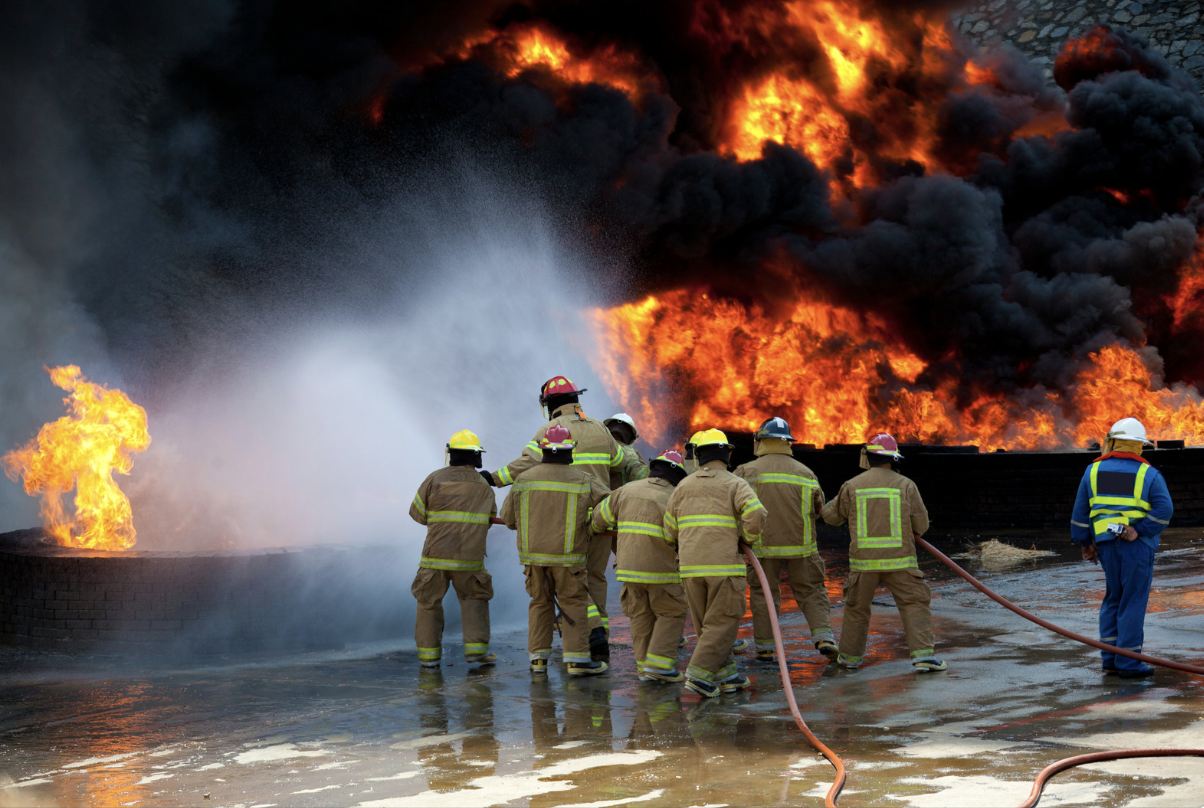
    Firefighters face a different set of hidden occupational hazards, primarily related to the toxic chemicals they encounter during firefighting operations. When materials burn, they release a variety of harmful substances, including carcinogens like benzene, formaldehyde, and asbestos. These chemicals can be absorbed through the skin or inhaled, increasing the risk of cancer, respiratory diseases, and cardiovascular issues.

    Hidden Occupational Hazards for firefighters

    A particular concern for firefighters is their exposure to per- and polyfluoroalkyl substances (PFAS), commonly found in firefighting foam and gear. PFAS are persistent in the environment and the human body, meaning they do not break down and can accumulate over time. Exposure to PFAS has been linked to various cancers, liver damage, decreased fertility, and increased risk of asthma and thyroid disease.

    Moreover, firefighters often face repeated exposure to these toxins over the course of their careers, which can significantly impact their long-term health. Regular detoxification and health monitoring are crucial for reducing the cumulative effects of these exposures.

    EMS Professionals: The Overlooked Risks of Occupational Exposure

    EMS professionals also encounter unique hidden occupational hazards. While their primary role involves providing emergency medical care, they are frequently exposed to hazardous substances, infectious diseases, and stressful situations that can take a toll on their health. The nature of their work often requires them to enter environments contaminated with toxic substances or to handle patients who may have been exposed to chemicals or biohazards.

    The physical and emotional stress of the job, coupled with exposure to harmful substances, can lead to chronic health issues, including mental health disorders, cardiovascular diseases, and weakened immune systems. It is essential that EMS professionals have access to health resources that address both their physical and mental well-being.

    Traumatic Brain Injury (TBI) in First Responders

    Traumatic brain injuries (TBIs) are an often overlooked hazard for police officers, firefighters, and EMS professionals. TBIs can result from a single incident, like a blow to the head, or from repeated minor head injuries common in high-risk professions.

    Police officers face potential TBI risks during altercations, high-speed pursuits, or exposure to explosive devices. Firefighters are vulnerable to head injuries from falling debris or collapsing structures. EMS professionals, too, operate in unpredictable environments where the risk of head trauma is significant.

    The effects of TBIs can be long-lasting, leading to symptoms like headaches, cognitive impairments, and emotional instability. Over time, TBIs can contribute to more severe neurological issues, including chronic traumatic encephalopathy (CTE).

    At ViveWell Health, we provide specialized care for TBIs through comprehensive neurological assessments, cognitive rehabilitation, and advanced therapies. These treatments support brain health and recovery, helping first responders manage the long-term impacts of TBIs and maintain their ability to serve with clarity and well-being.

    ViveWell Health’s Comprehensive Solutions for Our Heroes

    At ViveWell Health, we understand the unique challenges faced by police officers, firefighters, and EMS professionals. Our therapies are designed to help reduce the toxic burden on their bodies and support overall health and recovery. Here’s how we can help:

    • Chelation Therapy: This therapy is highly effective in removing heavy metals like lead and mercury from the body. By binding to these toxic metals, chelation therapy helps to safely eliminate them through the body’s natural excretory processes. This treatment is particularly beneficial for individuals with prolonged exposure to lead and mercury, as seen in police officers and military personnel who regularly use firearms.
    • Ozone Therapy: Ozone therapy is a powerful tool for detoxification and enhancing the body’s ability to utilize oxygen. It can help neutralize toxins and improve cellular function, making it an excellent option for firefighters and EMS professionals exposed to a wide range of harmful chemicals.
    • IV Nutrient Therapy: Tailored IV therapies can deliver essential vitamins, minerals, and antioxidants directly into the bloodstream, bypassing the digestive system for maximum absorption. This therapy supports detoxification, boosts the immune system, and enhances overall health, which is crucial for first responders who are constantly exposed to physical and environmental stressors.
    • Integrative Mental Health & PTSD symptoms: At ViveWell Health, we also emphasize the importance of mental health and stress management. Our mind-body wellness programs, including mindfulness training, meditation, and stress reduction techniques, are designed to help first responders manage the psychological impacts of their demanding jobs.

    A Call to Action for Protecting Our Heroes

    The risks faced by police officers, firefighters, and EMS professionals go beyond the immediate dangers of their jobs. The long-term health consequences of exposure to lead, mercury, and toxic chemicals are serious and require proactive measures to address. At ViveWell Health, we are dedicated to supporting these heroes with therapies and treatments that reduce their toxic burden and promote their overall health.

    We salute the bravery and dedication of these professionals and are committed to providing them with the care they need to stay healthy. Explore our website to learn more about the treatments we offer and how we can help protect the health of those who protect us.

    Reference:

    Laidlaw, M.A.S., Filippelli, G., Mielke, H. et al. Lead exposure at firing ranges—a review. Environ Health 16, 34 (2017). https://doi.org/10.1186/s12940-017-0246-0

  • An Integrative Approach to Mindfulness

    An Integrative Approach to Mindfulness

    In an era where distractions are the norm, mindfulness stands out as a sanctuary of peace and presence. Being present and engaged is an important aspect of holistic health. This old practice has a strong effect on mental, emotional, and physical well-being.

    Mindfulness involves heightened awareness of our thoughts, feelings, and surroundings without distraction or judgment. This article explores the transformative power of mindfulness, emphasizing its role as a cornerstone of integrative holistic well-being achieved through consistent, incremental practice.

    Understanding Mindfulness: State and Trait

    It presents itself in two forms: as a state and as a trait. The state is a moment of acute awareness and presence, a brief respite from the chaos of daily life. Over time, with regular practice, this state deepens into a trait – a permanent aspect of one’s character, characterized by a profound sense of peace and mental balance. This evolution from a temporary state to a sustained trait is key to understanding the full potential.

    Mindfulness in Integrative Medicine

    Integrative Medicine, which combines conventional healthcare with complementary therapies, recognizes mindfulness as a vital component. This holistic approach addresses the needs of both mind and body, understanding that imbalances in either can impact overall health. The practices effectively reduce stress, which is often a primary complaint. Research by organizations like the National Center for Complementary and Integrative Health highlights the efficacy in improving outcomes for various chronic conditions, including IBS, Substance Abuse Disorder, Fibromyalgia, and stress-related issues.

    Incorporating Mindfulness into Daily Life

    At ViveWell Health, our approach to whole-person care places a strong emphasis on mindfulness. A daily routine of 10-15 minutes can lead to significant brain and behavioral changes, such as a more balanced stress response and a strengthened mind-body connection. These changes manifest in reduced physical tension, enhanced mental clarity, emotional resilience, and a deeper awareness of the present.

    Navigating the Challenges of Mindfulness Practice

    mindfulness

    Newcomers often encounter challenges like persistent thoughts or difficulty in maintaining stillness. Recognizing these as part of the learning process is crucial. For those who find stillness challenging, moving meditation practices can be highly effective.

    Mindfulness in Motion: Practical Techniques

    1. The Mindful Walk: Transform a simple walk into a journey of awareness. Walking slowly and attentively deepens your connection with the environment and your inner self.
    2. The Mindful Shower: Use this daily activity as an opportunity for mindfulness. Focus on the sensations of water, the scents of soap, and the sounds around you to anchor yourself in the present.

    Expanding Mindfulness Beyond Meditation

    It can be weaved into everyday activities, turning routine tasks into moments of awareness and reflection. Mindful eating, for example, involves savoring each bite and being fully present in the experience of nourishment. Similarly, it can transform mundane chores like cleaning into practices of focus and attention, bringing into every facet of daily life.

    Mindfulness for Mental and Emotional Well-being

    Regular practice is linked to reduced anxiety, improved mood, and greater emotional resilience. By fostering a mindful approach to life, individuals learn to navigate life’s challenges with clarity and calmness, rather than reacting impulsively.

    The Science Behind Mindfulness

    The benefits are supported by a growing body of scientific research. It can change the brain’s structure, especially in parts linked to focus, controlling emotions, and being aware of oneself. These neurological changes are thought to underlie many of the benefits, from reduced anxiety to improved cognitive functioning.

    Mindfulness in Healthcare Settings

    Integration in healthcare settings is increasingly common. Mindfulness-based interventions, such as Mindfulness-Based Stress Reduction (MBSR) and Mindfulness-Based Cognitive Therapy (MBCT), are being employed to support patients with a wide range of conditions, from mental health disorders to chronic pain.

    Mindfulness and Technology

    In the digital age, technology offers new avenues for practicing. Numerous apps and online programs provide guided meditations, exercises, and educational resources, making it easier than ever to integrate into busy lifestyles.

    Conclusion

    Mindfulness, a vital element of holistic health and integrative medicine, offers a path to a more balanced, aware, and fulfilling life. Whether through dedicated meditation practices or integrating it into daily activities, its benefits are extensive. At ViveWell Health, we encourage embracing it as part of a comprehensive health strategy, ensuring a life of balance, awareness, and holistic well-being.

    Sources: The Mayo Clinic, The Cleveland Clinic, The National Center for Complementary and Integrative
    Health

    By Lara Hocheiser, Author of Mindfulness for Beginners in Ten Minutes a Day and Mindfulness
    Workbook for Kids

  • Practicing Gratitude Can Help You Feel Better

    Practicing Gratitude Can Help You Feel Better

    When we open our eyes to the blessings we enjoy on a daily basis — from nature unfolding with the sounds of leaves crunching beneath our feet, the smells of crisp air after a snowstorm, and the darkness of night that remind us to slow down and warm up, we can see immense opportunity to be steeped in mindful gratitude.

    Around the holidays, many Americans are feeling overwhelmed, busy, and mentally exhausted from a plethora of professional, academic, and familial responsibilities. With our mindsets focused on what is challenging, stressful, and imperfect, we can miss the bounty in front of us.

    When we open our eyes to the blessings we enjoy daily, we practice mindful gratitude. We can grow in this capacity and influence our loved ones by feeling gratitude in their presence and by expressing gratitude for them. This may encourage our loved ones to create their own gratitude practices so that they too can enjoy the myriad benefits that a thankful mindset has to offer. Graciousness, kindness, appreciation — all these qualities will benefit us, our friends, family, communities, and society at large.

    Worried woman sitting alone

    Why do we focus on the negative?

    Our brains are evolutionarily biased toward remembering the bad and the traumatic because our survival instinct is strong. However, most of us are beyond survival. We lead lives with more material wealth than any of our ancestors could have imagined.  We work in jobs that cover our expenses and allow for the enjoyment of life, including delicious and nutritious food and personal enrichment. How can we move past frequent non-cathartic complaining, worrying, and comparing ourselves to others in exchange for something more nourishing?

    Let’s explore thinking beyond the norm of negativity bias — our brain’s tendency to troubleshoot what can go wrong — to a gratitude bias, where we can look for all the richness that life has given us, so we can see how the cornucopia of abundance is fuller than we noticed at first glance.

    Our mindset and the practices we keep regarding gratitude can and will transform our minds to be places of awe, wonderment, appreciation, and reverence. There are tips, tricks, and evidence-based best practices to adapt your mind to see the good and share the good with those you most cherish.

    What are the benefits of gratitude?

    Did you know that research on gratitude has associations with many health benefits, including general well-being, better sleep, more generosity, and less depression?

    Gratitude also benefits social bonding, with a link between feeling grateful and the chemical oxytocin. Regular gratitude practice can improve our demeanors, help us to be more effortlessly kind and compassionate, and reduce our tendencies to harp on the negative. And a regular mindfulness meditation practice including loving-kindness meditation has proven benefits of transforming our brain in relation to stress and improving our capacity to feel awe, reverence, compassion, and gratitude. Gratitude and mindfulness help support our mental and emotional states.

    So how can we get started with gratitude practices today?

    Happy thankful mother and daughter

    Thank you, mind.

    One such way we can transform worry into compassionate gratitude is by being empathetic toward ourselves for the worry we have.

    Picture this: You find yourself in bed worrying about a stressor in your life. First, you think of all the things that can go wrong. Next, you remember every mistake you’ve ever made. Then you move on to comparing your situation to other people’s, beginning to feel less than, inferior, or worse, imposter syndrome. Next, you notice your chest and jaw feel tight.

    Finally, you remember that your brain is only trying to protect you. Work on relaxing your physical body with a few slow, deep breaths. Next, mentally say to your mind, “Thank you for trying to protect me. I am capable of handling the task in front of me. Remember in the past when ____ happened and I handled it?” Take a moment to feel proud of the growth you’ve experienced over your lifetime.

    Redirect your mind to think of all the skills, support, and experience you have to help you keep going, remember how far you’ve come. Once you remind yourself that you can manage this challenge, give yourself permission to think about it another time in the future — one way to move beyond stressful thought loops is to schedule a more appropriate time to problem-solve the issue. Busy people that add mindfulness tasks to their calendars can get back to focusing on what currently matters most. In some cases, what matters most is sleep.

    Gratitude skill sequence

    • Notice you are worrying.
    • Thank your mind for wanting to protect yourself.
    • Recount times you have managed hard things.
    • Consider your strengths, talents, experience, and support systems that help you in hard times. This can include people that support you, remember you are not in it alone.
    • If there’s a challenge that needs your focus, schedule a future time to creatively problem-solve. Then, give yourself permission to let your worries go. Hint, pick a time of day that your creative energy tends to flow. 
    • Redirect your focus with intention.
    Family enjoying a toast from a child expressing thanks before a meal

    Count your blessings

    Does it ever feel like your mind keeps coming back to what is lacking? One practice to enable you to feel more thankful for the abundance in your life is the practice of naming, writing down, or mentally acknowledging your blessings. Having the ability to notice what you have rather than focusing on what you wish you had is a mindfulness skill set correlated with positive brain changes.

    Actionable activities that produce positive benefits:

    1. Give thanks at mealtime. Whether you’re religious or secular, saying grace is a perfect way to speak your thanks for what you have, name those you love, and focus on the magical aspects of being — the very fact we’re alive on a planet that is able to provide us with the things we need to live.
    2. Listen to and tell stories of people facing adversity that were helped by others. Dr. Andrew Huberman out of Stanford School of Medicine recently distilled actionable information from research on gratitude and it turns out that hearing about people being helped to overcome extreme adversity produced a feeling of contentment, correlated with the neurotransmitter serotonin. Our bodies produce serotonin when we hear these kinds of stories.
    3. Make a habit of naming the things in your life that you are grateful for. Practice alone or with your loved ones. These kinds of routines help create family traditions in gratitude, training our minds to notice the good. For parents, you could use the drive home from a family trip or bedtime, a moment of reflection as activities are coming to a close is ideal. For example, every night when I tuck in my kids, I have them reflect on what they’re thankful for and what they’re hopeful for. Both are important practices because I’m helping them practice gratitude for the blessings they have and speak into existence the possibilities they desire.
    4. Write a letter of gratitude. It turns out, grandma insisting you write those thank you notes wasn’t just about being polite. In studies, participants that wrote letters expressing gratitude had improved happiness scores, regardless of whether or not they sent the letters.

    The good news is, the more you practice gratitude, the easier it is to be thankful, regardless of the immediate circumstance.

    Gratitude in mental health

    For some, taking the time to read an article like this, along with the addition of practicing gratitude, will be a healthy reminder. For others, like those who struggle with depression, anxiety, post-traumatic stress disorder (PTSD), obsessive-compulsive disorder (OCD) or those who have experienced personal trauma, practicing gratitude may be challenging…but it’s a good start towards healing. Mental health is a journey, not a destination.

    In addition to helping shape your mindset with gratitude practices, our team at ViveWell wants to partner with you for the goal of your long-term, holistic well-being. Get started today by booking an appointment.

    Reference

    1. Lindberg, E. (2019, November 25). Practicing gratitude can have profound health benefits, USC experts say. USC News. https://news.usc.edu/163123/gratitude-health-research-thanksgiving-usc-experts/
    2. Huberman, A. (2021, November 22). The Science of Gratitude & How to Build a Gratitude Practice. Huberman Lab. https://hubermanlab.com/the-science-of-gratitude-and-how-to-build-a-gratitude-practice/
  • Ketamine FAQ

    Ketamine FAQ

    Ketamine therapy is a new and potentially life-changing experience for so many patients. We’ve compiled a list of questions patients commonly ask about ketamine therapy in general and their experience at our clinic. If you have any further questions, we’re happy to be in touch.

    About ketamine

    What is ketamine?

    Ketamine is a drug synthesized in 1962 by a chemist from the hallucinogenic drug phencyclidine (PCP). It acts on the NMDA-glutamate receptors of the brain by inhibiting their function. It can be given intravenously, intramuscularly, subcutaneously, intranasally, and as pills. Ketamine has been approved for use by the FDA as an anesthetic during surgery. Intranasal ketamine (esketamine) was approved in 2019 for use in treatment-resistant depression (TRD) with a newly initiated anti-depressant (meaning one that a patient had not taken before) and in 2020 as a standalone treatment for major depressive disorder and suicidal ideation and behavior.

    If you’re having suicidal thoughts or know someone who is, help is available. In the US, call the National Suicide Prevention Lifeline at 1-800-273-8255.

    What is esketamine?

    Esketamine is the term for ketamine that is administered as a nasal spray. This form of ketamine is approved by the FDA to medicate treatment-resistant depression in patients who are also initiating a new antidepressant medication. It’s also approved to treat major depressive disorder and suicidal ideation and behavior. IV ketamine is a different form of ketamine than esketamine, but both are still ketamine and work the same way in the body.

    Is ketamine FDA-approved?

    Ketamine is approved by the FDA and the European Medicines Agency for some but not for all indications. It has been approved as an anesthetic since the 1970s. Intranasal ketamine (esketamine) was approved in 2019 for use in treatment-resistant depression (TRD) with a newly initiated anti-depressant (meaning one that a patient had not taken before) and in 2020 as a standalone treatment for major depressive disorder and suicidal ideation and behavior. IV ketamine, however, is not yet approved by the FDA and therefore is considered investigational.

    Ketamine clinics in the United States are legal if they follow the state’s scope of practice laws. Any clinic offering ketamine therapy must only prescribe the treatment for conditions for which ketamine treatment may help, such as depression and mood disorders. Furthermore, ketamine should only be administered to patients for whom it is deemed safe, and by an appropriate provider. Clinics must follow other standard procedures to ensure a safe experience for patients.

    What is Ketamine Infusion Therapy?

    Ketamine Infusion Therapy is a treatment that involves receiving ketamine intravenously (IV). Medicines and substances delivered intravenously are also called infusions. During this type of treatment, the patient typically sits in a reclining medical chair and receives an infusion of ketamine for approximately 40 minutes. Ketamine Infusion Therapy also involves creating a comfortable atmosphere. Patients often listen to relaxing music under dimmed lights during their sessions. To keep you safe, a licensed medical professional stays with you during the entire session to observe the treatment effects and monitor your vital signs, including heart rate, blood pressure and oxygenation. All of this counts as Ketamine Infusion Therapy.

    Is ketamine addictive?

    Ketamine is not an addictive substance, and no evidence shows that ketamine use in a controlled medical setting leads to substance abuse or relapses in patients. However, ketamine does have the potential for dependency, abuse, and addiction in certain people when used outside of a controlled medical setting. The doses of ketamine used today to treat depression are considerably lower than that used for anesthesia and by recreational users. We believe in a controlled medical setting, ketamine is safe and effective. If you’re unsure if ketamine is right for you, call us and we can answer any questions you may have.

    What conditions does ketamine treat?

    Ketamine can treat a range of medical conditions including mental disorders and chronic pain. At our clinic, we use ketamine infusions to treat adults with moderate to severe depression, bipolar disorder with managed mood stabilization, personality disorders (provided the individual can manage infusions and engage in therapy), post-traumatic stress disorder (PTSD) and obsessive-compulsive disorder (OCD).

    About getting treated

    Are there medications or diseases that prevent people from safely using Ketamine Therapy?

    There are certain conditions that are contraindicated for ketamine therapy. If you had certain conditions in the past, they could preclude you from ketamine therapy. During a consultation, we’ll evaluate if ketamine is a safe option for you based on your individual medical history. For a full list of contraindicated conditions, click here.

    Will ketamine help me if I have treatment-resistant depression?

    Ketamine therapy is very effective in a controlled setting for treatment-resistant depression based on the research. At our clinic, we maximize efficacy by individualizing the treatment for each patient based on metabolic and genetic factors as well as patient history. Some patients however, do not respond to ketamine treatment. Ketamine therapy is not a guaranteed cure for depression, but it helps many patients suffering from a range of mental disorders.

    How many ketamine treatments should a person receive?

    Each person is different, so it’s hard to say for sure how many ketamine treatments a receptive individual should receive. Since ketamine signals the brain to create new connections, we try to maximize the effectiveness by suggesting patients begin with three treatments on three consecutive days.  However, some people experience a marked improvement in symptoms of depression, anxiety, and post-traumatic stress disorder (PTSD) in as little as one or two sessions. Others might need more sessions to see the desired results.  Our staff will help you decide what treatment plan is right for you.

    Who administers the treatments?

    IV ketamine treatments are all administered and overseen by a licensed professional in our office.

    How much does a ketamine consultation and infusions cost?

    A Ketamine Therapy consultation costs $250.

    Laboratory and genetic testing are additional costs.

    Enhanced ketamine infusions cost $450 per 40-minute infusion which includes 15-minute recovery monitoring.

    What kind of payment do you accept?

    We only accept credit/debit/FSA/HSA card payments.  Medical treatments qualify for Flex Savings Account (FSA) and Health Savings Account (HSA) spending.

    Will my insurance company cover ketamine infusion treatments?

    Currently, insurance companies do not cover this treatment. However, in the future, this may change.