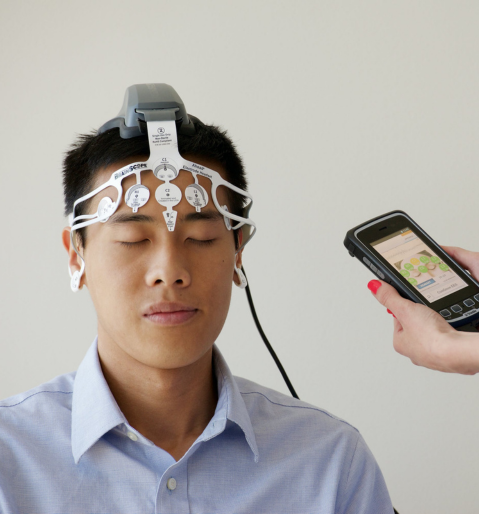
Understanding IASIS Microcurrent Neurofeedback
IASIS Microcurrent Neurofeedback is a noninvasive therapy designed to support healthier patterns of brain and nervous system activity. Using extremely low-intensity electrical signals, IASIS provides brief feedback to the brain without requiring patients to consciously train, focus on a screen, or complete exercises.
This passive approach may help the brain shift away from persistent patterns of dysregulation and support greater flexibility in how it responds to stress, injury, and everyday demands.
IASIS may be incorporated into a broader strategy for neurological recovery, cognitive health, stress resilience, and long-term brain performance.
The Science Behind IASIS Microcurrent Neurofeedback
The brain produces electrical activity that reflects communication between networks involved in attention, mood, sleep, stress response, cognition, and recovery. When these patterns are disrupted by chronic stress, trauma, neurological injury, illness, or other physiological factors, the brain may have difficulty returning to a more balanced state.
During IASIS therapy, small sensors are placed on the scalp to detect brainwave activity. The system delivers brief, extremely low-intensity feedback signals designed to interact with the brain’s ongoing electrical patterns.
Unlike traditional neurofeedback, IASIS is passive. There are no games, screens, or exercises. The goal is to support the brain’s natural capacity for greater flexibility and self-regulation.

Who may benefit from microcurrent neurofeedback?
IASIS may be considered for individuals experiencing challenges with brain function, neurological recovery, or nervous system regulation. Potential candidates may include individuals navigating:

Concussion or traumatic brain injury (TBI)
Lingering cognitive, emotional, sleep, or neurological symptoms after a head injury

Brain fog and cognitive changes
Difficulty with mental clarity, memory, processing, or cognitive stamina
Chronic stress and hyperarousal
Feeling persistently “wired,” overwhelmed, on edge, or unable to fully relax

Attention and focus challenges
Difficulty sustaining concentration or managing cognitive demands

Sleep disruption
Difficulty settling down, staying asleep, or feeling restored

Trauma-related symptoms
Persistent nervous system activation associated with trauma or PTSD
Mood and emotional regulation challenges
Difficulty maintaining emotional balance or adapting to stress
Long-COVID and chronic illness
Brain fog, cognitive changes, or nervous system symptoms associated with complex health conditions
Persistent neurological symptoms
Ongoing symptoms that may involve multiple underlying contributors
Performance and resilience goals
A proactive approach to cognitive adaptability, recovery, and long-term brain health
How Microcurrent Feedback Can Help
Greater Calm and Regulation
Support a more balanced nervous system response when persistent stress or hyperarousal makes it difficult to relax.

Clearer Thinking
Promote mental clarity and cognitive efficiency for individuals experiencing brain fog or slowed processing.

Improved Focus
Support sustained attention and the ability to manage distractions and everyday cognitive demands.

Better Stress Resilience
Help the brain respond more flexibly to physical, cognitive, and emotional stress.

More Restorative Sleep
Support nervous system patterns that may make it easier to transition into rest and recovery.

Improved Emotional Adaptability
Promote greater stability in how the brain responds to emotional demands and everyday challenges.
Support for Neurological Recovery
Complement a broader recovery strategy following concussion, TBI, illness, or other neurological challenges.

Long-Term Brain Resilience
Support the brain’s ability to adapt, recover, and respond to changing demands over time.
What to Expect During an IASIS Session
IASIS sessions are designed to be simple, comfortable, and passive. Small sensors are placed at targeted locations on the scalp to detect brainwave activity and deliver brief microcurrent feedback. You do not need to concentrate on a screen, play a game, or consciously change your brainwaves. You can simply sit and relax during the process.
Treatment recommendations vary based on your symptoms, health history, goals, and response to therapy. Our team evaluates your broader clinical picture to determine how IASIS may fit into your personalized care plan.
A More Comprehensive Approach to Brain Health
Brain-related symptoms rarely have a single cause. Brain fog, fatigue, mood changes, sleep disruption, and persistent symptoms after neurological injury may be influenced by multiple interconnected factors.
At ViveWell Health, IASIS Microcurrent Neurofeedback can be integrated into a broader approach that may include:
- Neuroendocrine evaluation
- Concussion and TBI recovery strategies
- Advanced laboratory testing
- Hormone and metabolic assessment
- Functional nutrition
- Genetic and nutrigenomic insights
- Environmental toxin and heavy metal evaluation
- Inflammation and immune assessment
- IV and regenerative therapies
- Personalized Brain Rejuvenation strategies
By looking beyond symptoms alone, our team works to identify factors that may be affecting how your brain functions and recovers.


Integrative, Personalized Brain Health Care
ViveWell Health offers personalized approaches designed to support brain function, neurological recovery, cognitive performance, and long-term resilience.
Whether you are navigating persistent symptoms after a concussion, struggling with brain fog or nervous system dysregulation, or looking for a more proactive approach to brain health, our team can help determine whether IASIS Microcurrent Neurofeedback fits your needs and goals.